
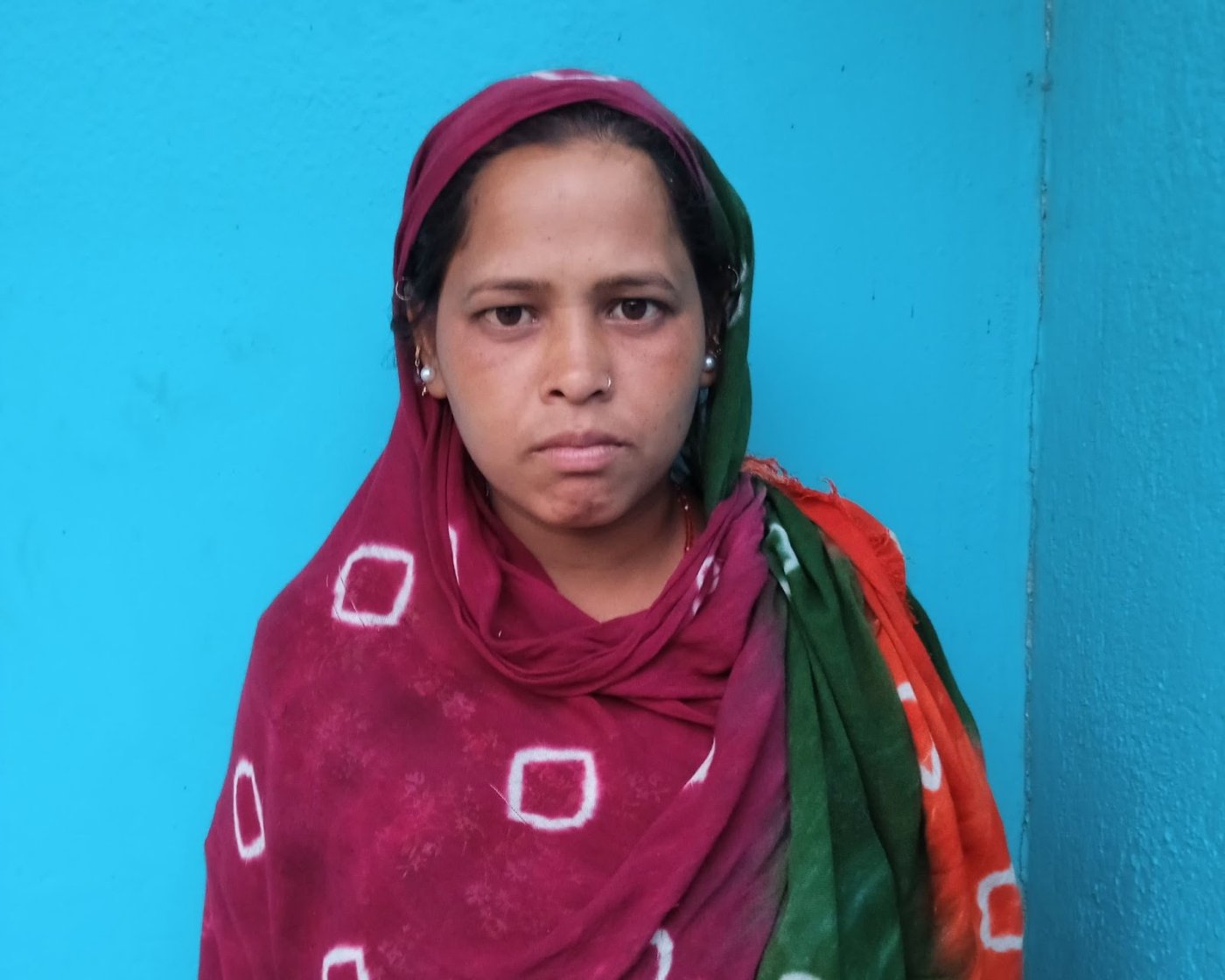
Birbhum, West Bengal: Sunali Khatun, then three-months pregnant, remembers stumbling along in a Bangladeshi forest with her crying eight-year old child in tow, surviving for 10 days mainly on river water.
She remembers sleeping on the streets of a foreign country and being looked at with “disgust” when they begged for spare food to feed the children, hiding the fact she and her children were Indian, and doing time in a Bangladeshi jail after eventually being arrested. She remembers inedible curry, hard rotis, half-boiled rice and filthy blankets.
Khatun, 25, is now home with her parents in a village called Paikar in West Bengal’s Birbhum district, but her mind keeps going back to the jail in Bangladesh, where her husband still remains.
“It was like a curse,” said Khatun, a pale, visibly distressed woman, just days away from delivering her third child, of her time in jail. “It wasn't just one bad day—every day was like that. The children would cry, and we would cry too.”
Khatun spoke to Article 14, eight days after she returned to India and six months after she, her husband and son were plucked from their home in a Delhi slum. Her daughter, who had not been at home at the time, remained in Delhi and is now with Khatun in her village in West Bengal.
Detained despite showing at least three proofs of identity—and reassured by police that they would be released soon—they were flown to Assam, trucked to the border and forced across to a country they had never seen.
Their case came to national attention when on 3 December the government of Prime Minister Narendra Modi reluctantly agreed with the Supreme Court—before whom it was contesting a Calcutta High Court order to bring Khatun and another mother and her two children home—that Khatun and her child could be brought back on “humanitarian grounds”. The Chief Justice noted that Khatun’s father was Indian, which meant she and her children were too.
Khatun’s detention and forced expulsion without due process is the latest in an anti-immigrant drive focussing on Bengali-speaking Muslims nationwide, even as Modi and home minister Amit Shah use terms like “termites” and “infiltrators” to supposedly describe illegal immigrants—references now widely used against Muslims in general.
Khatun’s ordeal began on the evening of 18 June, 2025, when she was making dinner for her husband, Danish Sheikh, 29, and their two children—Sabir Sheikh and Afrin Khatun, aged eight and six, respectively—in their cramped single-room shack in the Bangali Basti in north-west Delhi’s Rohini neighbourhood. For nearly two decades, she and her husband had scraped by in the capital as ragpickers and daily wage laborers.
That evening, three police officials from K N Katju Marg police station knocked on their door, demanding to see their documents. What followed was a cascade of false promises and seemingly illegal acts that would strip Khatun of her home, her dignity, and nearly her life.
Despite producing their Aadhaar cards and hastily forwarded proof, such as PAN cards and voter IDs from in-laws via WhatsApp, Khatun, her husband and eight-year-old son were taken into custody. Also with them were her friend Sweety Bibi (33) and her two children, 16-year-old Kurban Sheikh and five-year old Iman.
On 26 June, the Foreigners Regional Registration Office (FRRO) in Delhi issued a deportation order, ignoring the family's protests and the evidence of their Indian nationality. Khatun, pregnant with her third child, her eight-year-old son Sabir, and Danish, Sweety Bibi and her two children were herded onto a flight to Guwahati, Assam.
From there, they were driven to the Bangladesh border in a Border Security Force (BSF) vehicle, she said, and on 26 June forced across the unfenced border into the jungles of Bangladesh’s Chapai Nawabganj district. It was a method criticised by human rights groups as tantamount to refoulement—the illegal return of individuals to places where they face harm, increasingly normalised by Modi’s government.
According to Khatun, health checks by Delhi police confirmed her pregnancy, yet officials proceeded with the deportation.The names of Khatun’s parents, Bhodu Sheikh and Jyotsna Bibi, were listed on the 2002 special intensive revision voter list—a key document for proving citizenship in the state—for Murarai assembly constituency in West Bengal’s Birbhum District. Bhodu Sheikh, a farmer back in Paikar, filed a habeas corpus petition (literally, “produce the body”) in August in the Calcutta High Court, which ordered the return of Khatun and the others. The case went to the Supreme Court of India when the Modi government appealed.
The FRRO order listed Khatun and all other detainees as “illegal migrants of Bangladesh" who "failed to provide any suitable reason or supportive documents to justify their illegal entry/overstay in India." According to Bhodu Sheikh, Khatun and Sweety had Aadhaar cards, Voter ID cards, and ration cards with them.
On 3 December, the union government agreed to repatriate Khatun and her son back from Bangladesh on “humanitarian grounds” after the Supreme Court’s intervention—bypassing diplomatic red tape—while ordering Danish and others to remain in Bangladesh pending further verification.
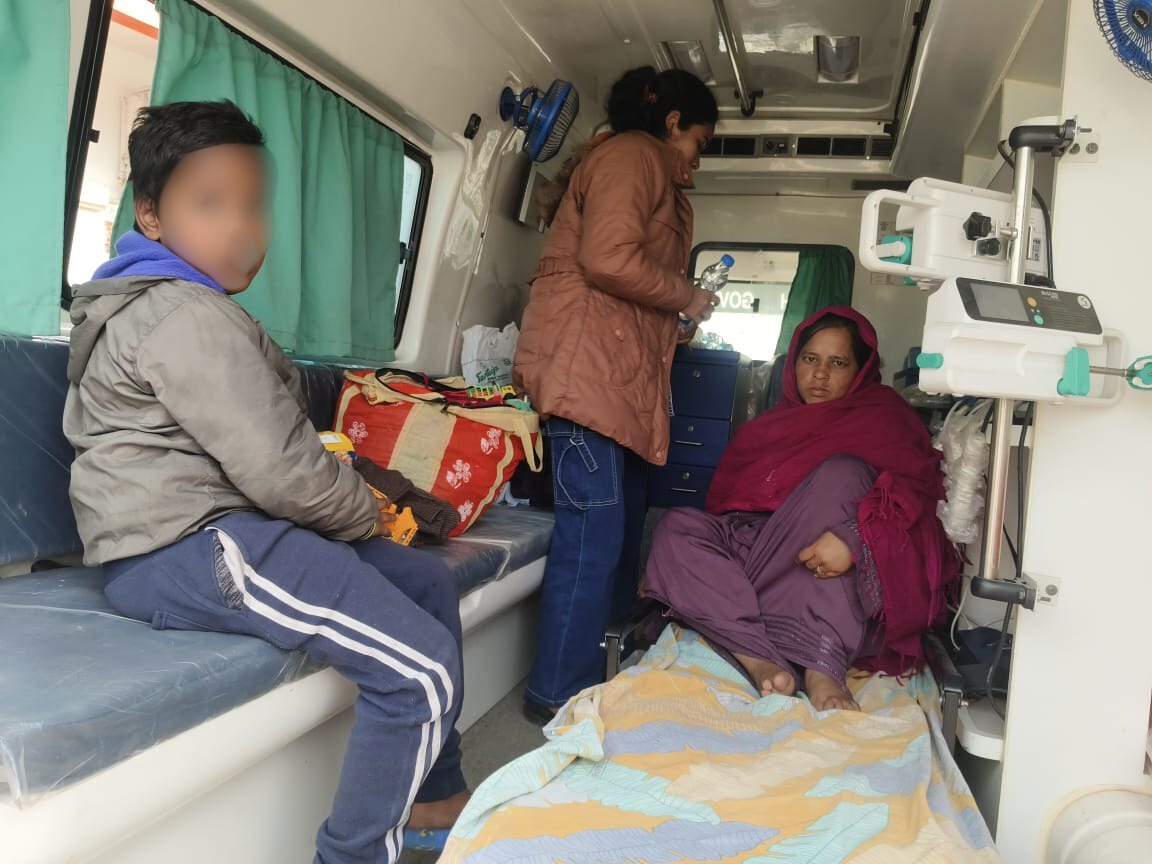
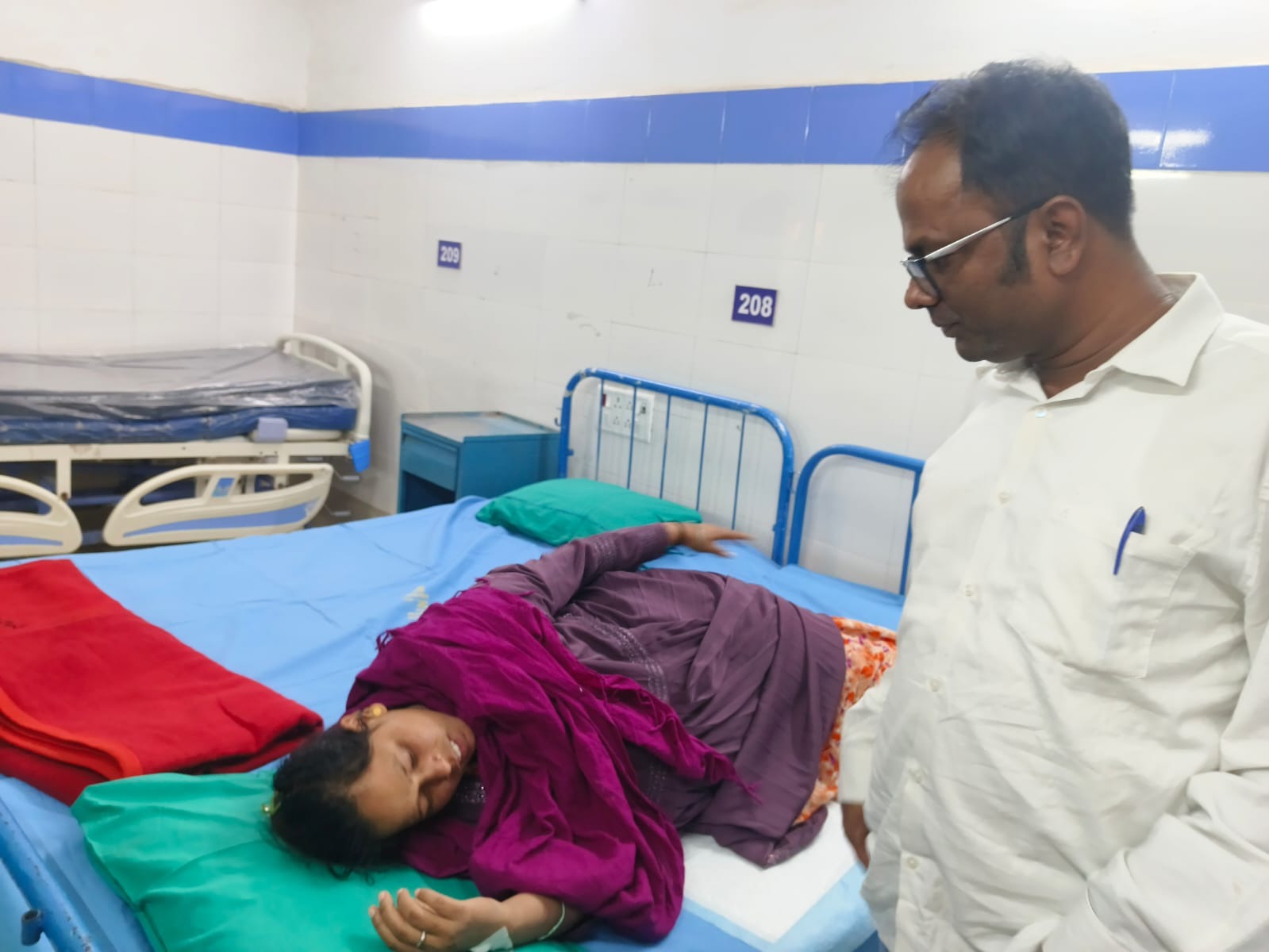
The government, cornered by the evidence, complied swiftly. Crossing the Mahadipur border in West Bengal’s Malda district on 5 December, Khatun was wheeled into Rampurhat Government Medical College and Hospital the next day, nine months pregnant and frail from months of malnutrition and stress.
Her first words to waiting journalists were: "I will never return to Delhi."
Her story is not unique. The same month Khatun was detained, a 19-year-old Bengali migrant Amir Sheikh from Malda district, was detained in Rajasthan and deported to Bangladesh. He was returned to India in August 2025. At least 13 other Bengali speaking Muslims were forcefully sent to Bangladesh between April and December 2025.
In the aftermath of the 22 April terror attack in Pahalgam in Jammu & Kashmir the BJP government intensified a drive against illegal immigrants. As Article 14 has reported (here and here), many Bengali Muslims, who hold Indian citizenship, were detained or even deported.
Between May and June, the global advocacy group Human Rights Watch documented over 1,500 unlawful “pushbacks”, the official term for forcing people into Bangladesh.
In June 2025, Article 14 reported on how due process had been discarded to deport Bengali speaking Muslims in Assam.
Khatun and her fellow deportees were arrested in Bangladesh and spent close to four months in jail before being released on bail on 1 December 2025.
Danish, Sweety and her two children are still in Bangladesh, staying with a local guarantor, Faruk Ali, a Bangladeshi. The next hearing is scheduled for 6 January 2026.
Khatun spoke to Article 14 about the terror of her arrest and the anxiety over her husband, still stranded across the border.
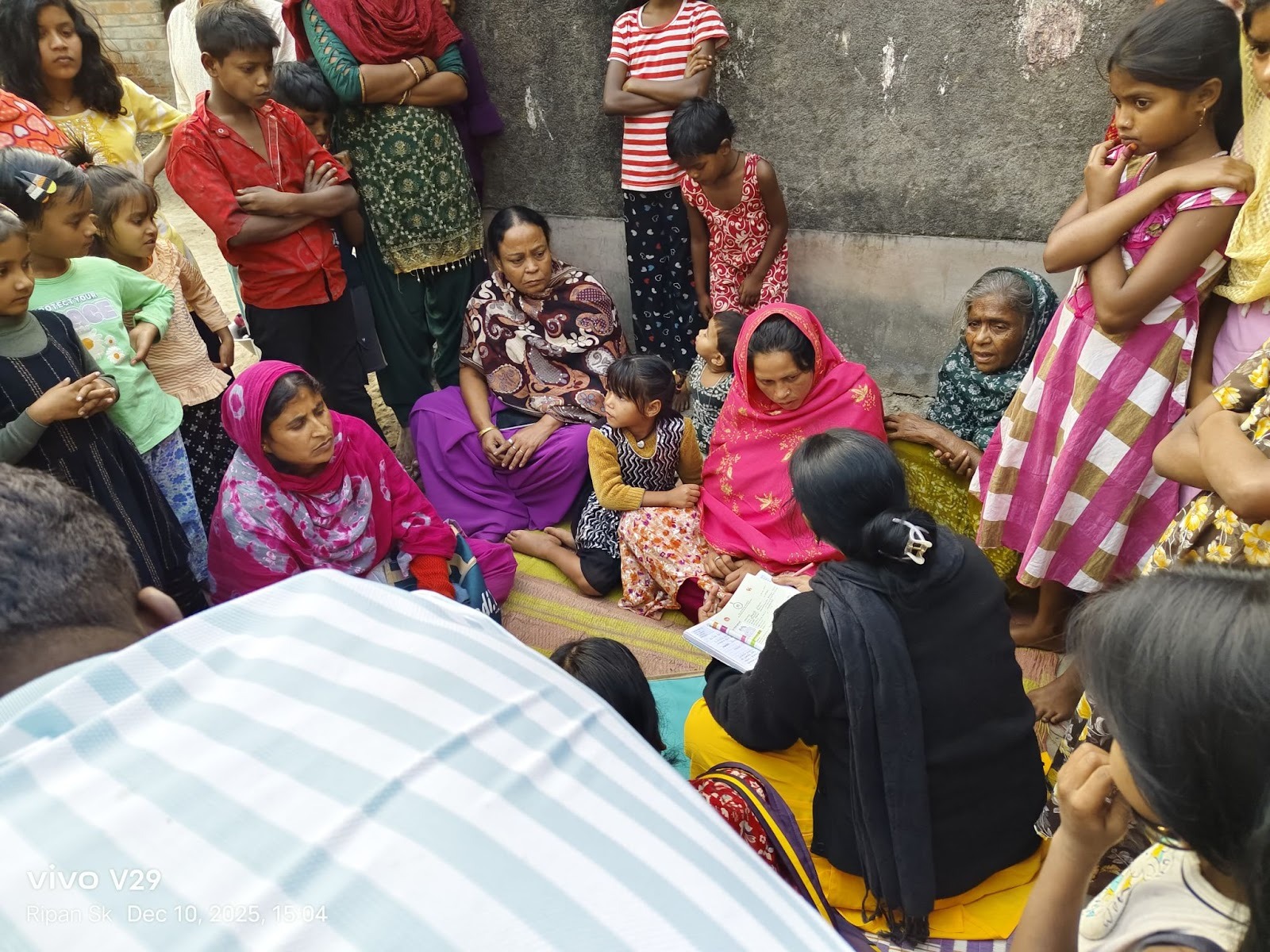
Sunali, you were arrested by the Delhi Police in June. Could you please tell us in detail what exactly happened at that time?
It was 18 June, and we were at home. They first took my husband, Danish, from the house to the police station. We went there and showed all the documents they asked for, but they still didn't believe us.
They said they might release Danish in the morning. We waited for him until morning, but as it turned into afternoon, we went to the police station again. I asked, "Are you going to arrest me too?" They said, "Not at all, we will release you. We just need to check your documents."
Then they asked, "What documents do you have?" I replied, "Whatever my husband has, we have the same ones—we've already shown everything to you." Still, they kept us in the station for two days, took our fingerprints and then took us to a hall they call 'Bharat Ghar.'
There, I saw many Bangladeshi men and women being held. They pushed us in with them. I pleaded so much, cried a lot, but they didn't listen at all. We were there for seven days.
After that, they put us on a plane and loaded us onto a BSF (Border Security Force) vehicle. The BSF vehicle then left us in an unknown jungle across the border.
We wandered through the jungle, lost and desperate. My children and I drank river water for 10 days—there was no food. The children were crying constantly.
Eventually, we reached a village in Kurigram (a district in Bangladesh that borders the Indian states of West Bengal, Assam and Meghalaya). The people there fed us and let us stay for one day. They advised us, "You can go using this route; no one will beat you, you won't suffer more—go back to your own land." So, we left and tried to walk back to India.
But we encountered the BSF again. They caught us, beat us badly until we were bleeding, and left in the jungle in Bangladesh once again. We wandered here and there for two more days and reached another village near Kurigram.
The villagers there told us, "Don't stay here for long—if the Bangladesh police find out, they will arrest you." They helped send us to Dhaka. We didn't know how to board a bus or the routes, so we asked a co-passenger, "How far is Dhaka?" They said, "It's far away."
We got down in Dhaka in the evening and, after that, just wandered around the city, lost. We started begging there.
After a few days in Dhaka, we went to Alinagar (about 60 km west of Dhaka) to seek a hideout, but we were arrested by the police and sent to jail.
On what charge exactly did the police arrest you in Delhi, and based on whose complaint?
The BJP did this to me. All I know is that the Modi government was behind it all. We've been living in Delhi for 20 years. I married Danish there and gave birth to two children there.
Nothing like this had ever happened before; we lived peacefully. We went there for work, to earn a living. There isn't much work back in our village.
We told the police we didn't have even Rs 5. They didn't allow us to carry any extra clothes—they pushed us out in just the clothes we were wearing. We pleaded, "The children need to eat something; let us go home and get some money," but they didn't let us do anything.
We requested the Delhi Police so much, holding their feet and hands, but they didn't listen at all and sent us to that hell.
When you were sent to Bangladesh, most media reports said you were sent from West Bengal. Could you tell us in detail exactly how and from which place you were sent to Bangladesh?
We were dropped by the Delhi Police at the Assam border. I don't know the exact location—we were traveling in vehicles the whole time. They didn't let us get down from the vehicle. The vehicle was arranged by the Delhi Police. We gave them all the documents proving we were from Paikar in Birbhum district, but they still didn't believe us.
After reaching Bangladesh, who were the first people you got to talk to? Who helped you at that time?
In Bangladesh, we were in the jungle for 10 days straight. Then we were in Dhaka for a week, and that's when we finally got a chance to talk to our mothers once. We would ask for help from people there—otherwise, what would happen to the children? They could have died from hunger.
Some people would give us food or some money; others wouldn't. We'd eat one meal and skip the next, sleeping on the streets. We couldn't tell anyone we were Indian—if they knew, the police would arrest us. So we just wandered without much to eat. In that way, we didn't get much help from the local people.
Everyone looked at us with disgust. We had to beg to feed our child.
They would say, “Why are you begging? You're young people.” But what else could we do? We had to beg for the children—how long can anyone go without eating? It was a lot of suffering.
You had to spend almost three and half months in jail in Bangladesh. What was your experience?
It was like a curse. It wasn't just one bad day—every day was like that. The children would cry, and we would cry too. The curry they offered almost everyday wasn't good; it wasn't edible at all. The rice was half-boiled, or sometimes not boiled properly. The rotis were hard and tough. That's normal in jail, I suppose.
The sleeping arrangements were terrible too—even if they gave us a blanket, it was so dirty. We had to wash everything ourselves. And we stayed in just one set of clothes—the ones we were wearing when we were taken.
What happened to us in that Bangladesh jail—may it never happen to anyone else. I don't even want to recall those days. You know what kind of people are in jail; we would cry with the children.
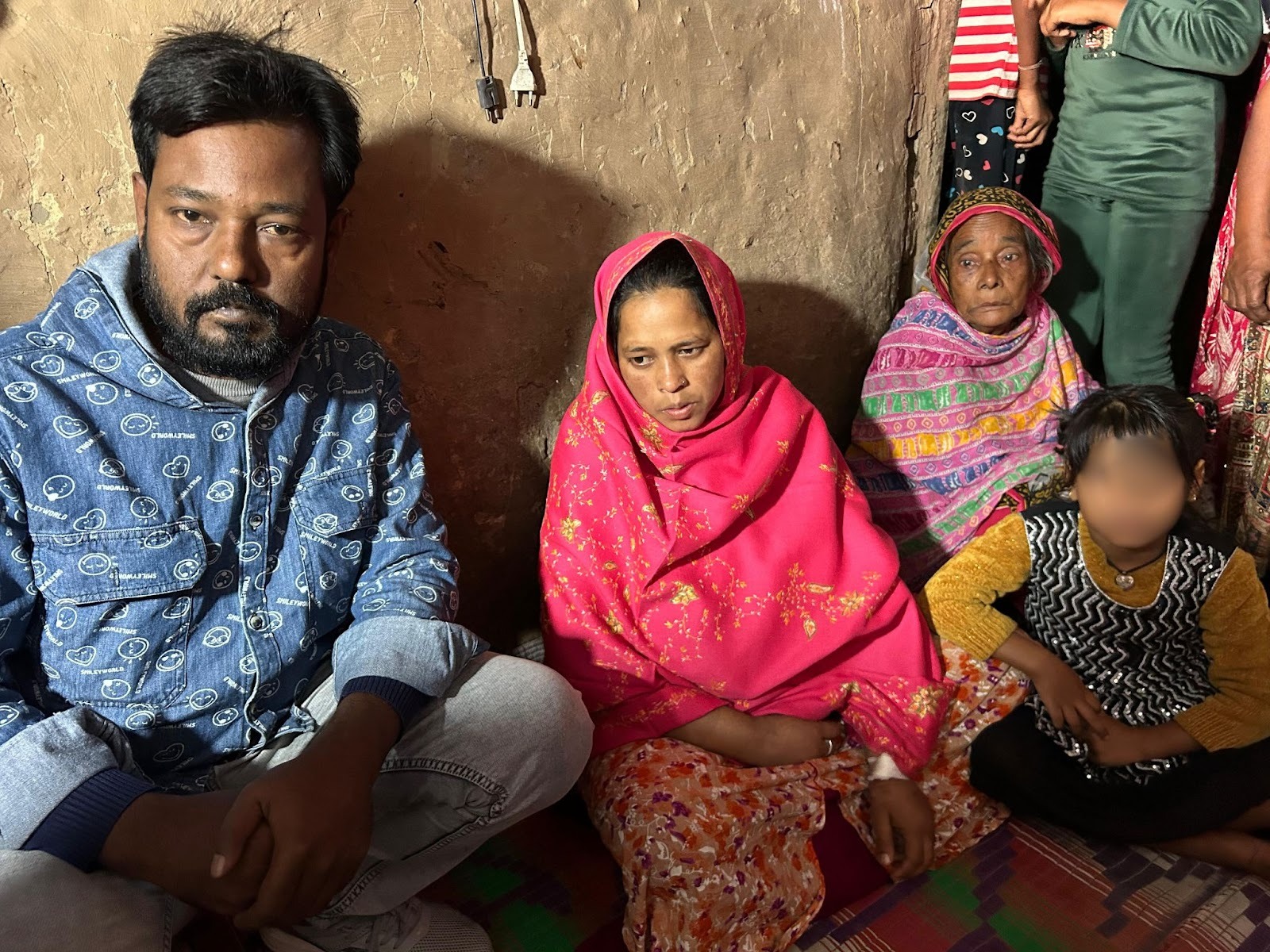
One of your children was in India. Could you contact her?
No, I couldn't contact my child. I just spoke with my mother once, while we were in Dhaka. I didn't even know that my father had gone to the High Court.
Here, Mofi Dada (Mofizul Sheikh, an activist from Khatun’s village in West Bengal) helped a lot. Mofi Dada even went to Bangladesh and gave us clothes in jail. It was cold then, and we got sweaters from him, not from the jail authorities. My father got help from Muhammad Arif Shekh with the documentation.
We returned because of everyone's support. I must say, without the Mamata Banerjee government's efforts, we could not have come back (Trinamool Congress Rajyasabha MP Samirul Islam helped Bhodu Sheikh file the habeas corpus petition).
Did you know that you were pregnant?
Yes, I knew. While we were at the Delhi Police station, they did a check-up and confirmed it. They knew my condition very well, but still, they showed no mercy.
When did you first get to talk to a doctor in Bangladesh?
I didn't get any chance to talk to a doctor in Bangladesh. No treatment happened for me there at all. It was only after I got bail and came out of jail that Faruk Dada's wife (Faruk Ali, the local guarantor) took me to a doctor's chamber.
I had an ultrasound done. They gave me medicine and said I had diabetes. Wandering the streets without eating, without extra clothes—it all caused this illness; I was under so much stress. I should repeat: I received no doctor's advice while detained in Bangladesh—nothing.
You could return, but Sweety couldn't. What is happening in her case?
I hope the West Bengal government will bring them back quickly. I've heard arrangements are being made to bring them—probably on 6 January. They've submitted all their documents.
My husband is still there too. My child is crying; my daughter is crying for her father. Sweety’s mother is ill. I hope they will be brought back on the 6th.
Did you get to talk to your husband? What did you say to him?
I got a chance to talk to him the day before yesterday (12 December, 2025). I asked, "What’s happening? When will you come?"
He took a photo during the call. Days are just passing by; it doesn't feel good. Wherever I look, it feels dark.
I want my family and friends back—without them, I feel incomplete. All day, I only think about what to do, how to eat. I get some help, but still, I'm not happy. When will they return? That thought hits me every hour.
What message do you want to give to the Delhi Police?
I won't say anything to them right now. They must bring my husband back first. The torture that happened to us is unforgettable. They need to bring him back quickly. I just want them all to return safely.
For running the household in the future, what kind of work are you thinking about?
In our village, there's some beedi work, but I don't have the skill to roll beedis. So, I'll have my husband do masonry work. You can get Rs 300 per day.
But with Rs 300, how will we feed three children? I'm thinking about it all the time. But one thing is for sure: I won't go back to Delhi. Going to Delhi means suffering.
Your struggle is an inspiration for many people.What would you say to those who are fighting across the country against all kinds of injustice?
I want to thank everyone who fought for me, and who helped me return. But the question is, why did this happen to us?
I didn't do anything wrong. We went there (to Delhi) just to fill our stomachs. They should understand that we went for food, for survival.
What they did to me; they shouldn't do to anyone else. They arrested my mother and sister too, on 17 June, when they were in Delhi, before they arrested us.
When they arrested my sister, no one was at home—my daughter and my niece were left alone, abandoned.
My sister called a lawyer and got bail for her and our mother. Even after seeing the documents, the police said, "You are Bangladeshi." My mother came back to the village too—she doesn't go to Delhi anymore.
(Arka Deb is editor-in-chief of the Bengali Digital news magazine Inscript.me.)
Get exclusive access to new databases, expert analyses, weekly newsletters, book excerpts and new ideas on democracy, law and society in India. Subscribe to Article 14.