
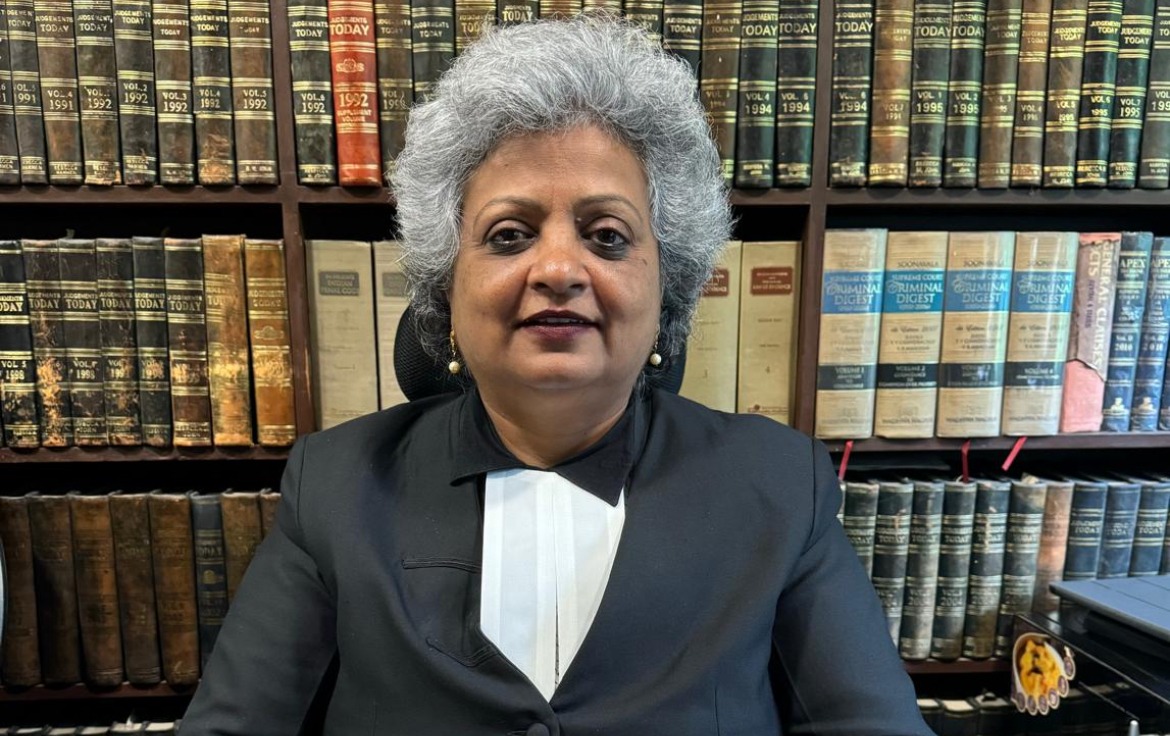
Delhi, India: “Two of the six complainants turned hostile. You can read between the lines and understand the kind of power we were dealing with.”
Senior advocate Rebecca John did not elaborate on the pressures she believes shaped the case against Brij Bhushan Sharan Singh, 69, former six-time Bharatiya Janata Party member of Parliament and once—and behind the scenes, still—India’s wrestling supremo.
She did not have to.
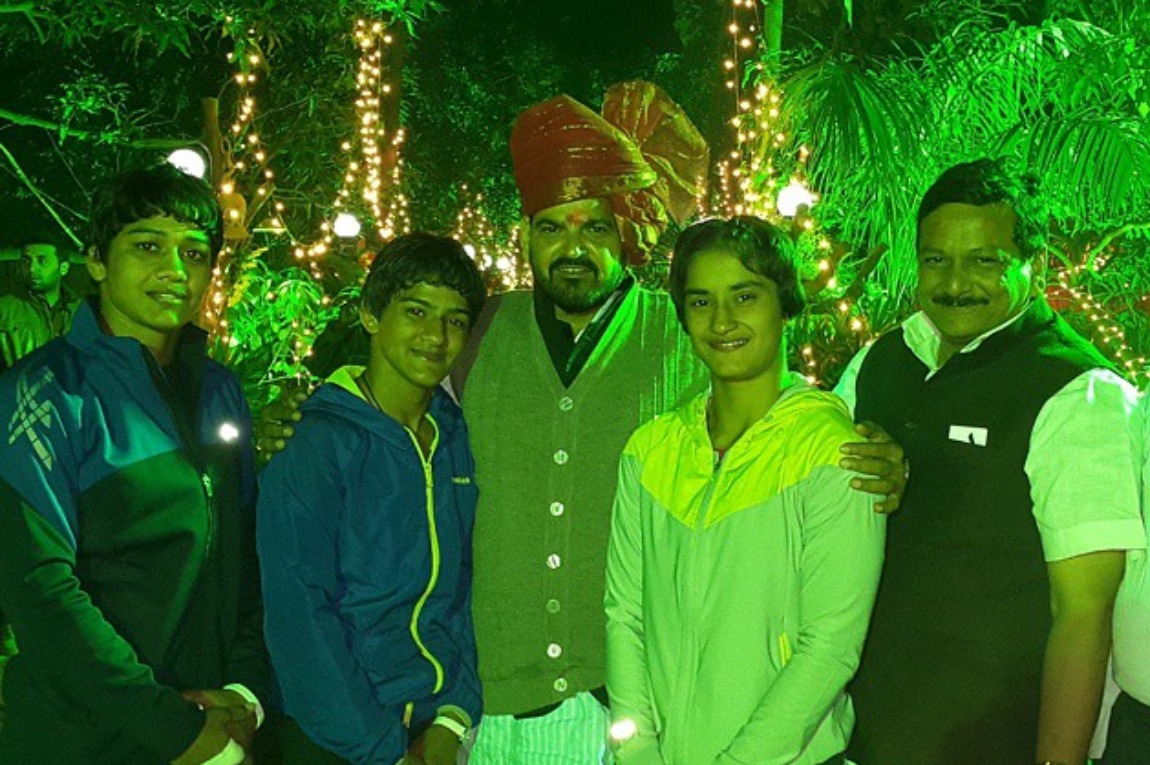
The women wrestlers who accused the former Wrestling Federation of India (WFI) chief of sexual harassment spent months protesting on the streets of Delhi and were eventually forced to approach the Supreme Court simply to secure the registration of a first information report (FIR), the start of criminal proceedings.
“We had to gather a great deal of courage to come out on the streets and get an FIR registered against a powerful leader of the ruling party,” one of the wrestlers, Vinesh Phogat, a three-time Olympian, said in a statement released after the verdict. “Using the power of the government and his influence, Brij Bhushan intimidated several girls into withdrawing their names.”
One case involving a minor complainant resulted in a closure report after the complainant withdrew her allegations. In the second case, two of the six adult complainants turned hostile during trial. Four pursued the case.
On 3 August 2026, nearly three years after allegations against Singh triggered one of the most significant athlete-led protests in modern India, a Delhi court acquitted Singh of charges brought by six women wrestlers. The detailed judgment is awaited.
For John, who represented four complainants and their witnesses, the verdict was “deeply disappointing”. The women wrestlers, she said, showed “remarkable courage” in coming forward against a man who wielded enormous influence over Indian wrestling.
“...several women wrestlers stood firm and continued fighting against Brij Bhushan in court,” said Phogat. “We are deeply saddened that the court did not find Brij Bhushan Sharan Singh guilty of the allegations of sexual violence levelled against him by the women wrestlers.”
Their testimony, John believed, should have resulted in conviction, not acquittal.
The acquittal, she said, risks sending a troubling message to survivors of sexual violence and harassment. "An increasing number of judgments in which courts choose to disregard the sworn testimony of victims in sexual assault cases will certainly discourage survivors from coming forward,” John told Article 14.
Singh told reporters that he had nothing to say to “those who oppose him”, meaning the wrestlers. “I have not just been acquitted,” he said. “I have been acquitted with honour.”
The acquittal marks the latest chapter in a case that raised difficult questions about power, accountability and the criminal justice system's response to allegations against politically influential men.
In January 2023, some of India's most accomplished wrestlers—including Olympic medallists and Commonwealth Games champions—publicly accused Singh of sexually harassing women athletes over nearly a decade. They alleged unwanted physical contact, inappropriate touching, intimidation and abuse of authority at WFI offices, training camps, domestic tournaments and international competitions between 2012 and 2022.
Despite allegations of cognisable offences, Delhi police did not register an FIR for more than three months. The wrestlers eventually moved the Supreme Court, arguing that police had failed to initiate a criminal investigation despite repeated complaints. Only after the court's intervention did Delhi Police register two FIRs on 28 April 2023.
“From the very first day, the entire machinery, the government, and this system have been engaged in protecting Brij Bhushan,” said Phogat.
One FIR was based on the complaint of a minor wrestler and invoked provisions of the Protection of Children from Sexual Offences (POCSO) Act, 2012. The second was based on complaints from six adult women wrestlers and invoked provisions of the Indian Penal Code relating to assault or criminal force with intent to outrage a woman's modesty (section 354), sexual harassment (section 354A), stalking (section 354D) and criminal intimidation (section 506).
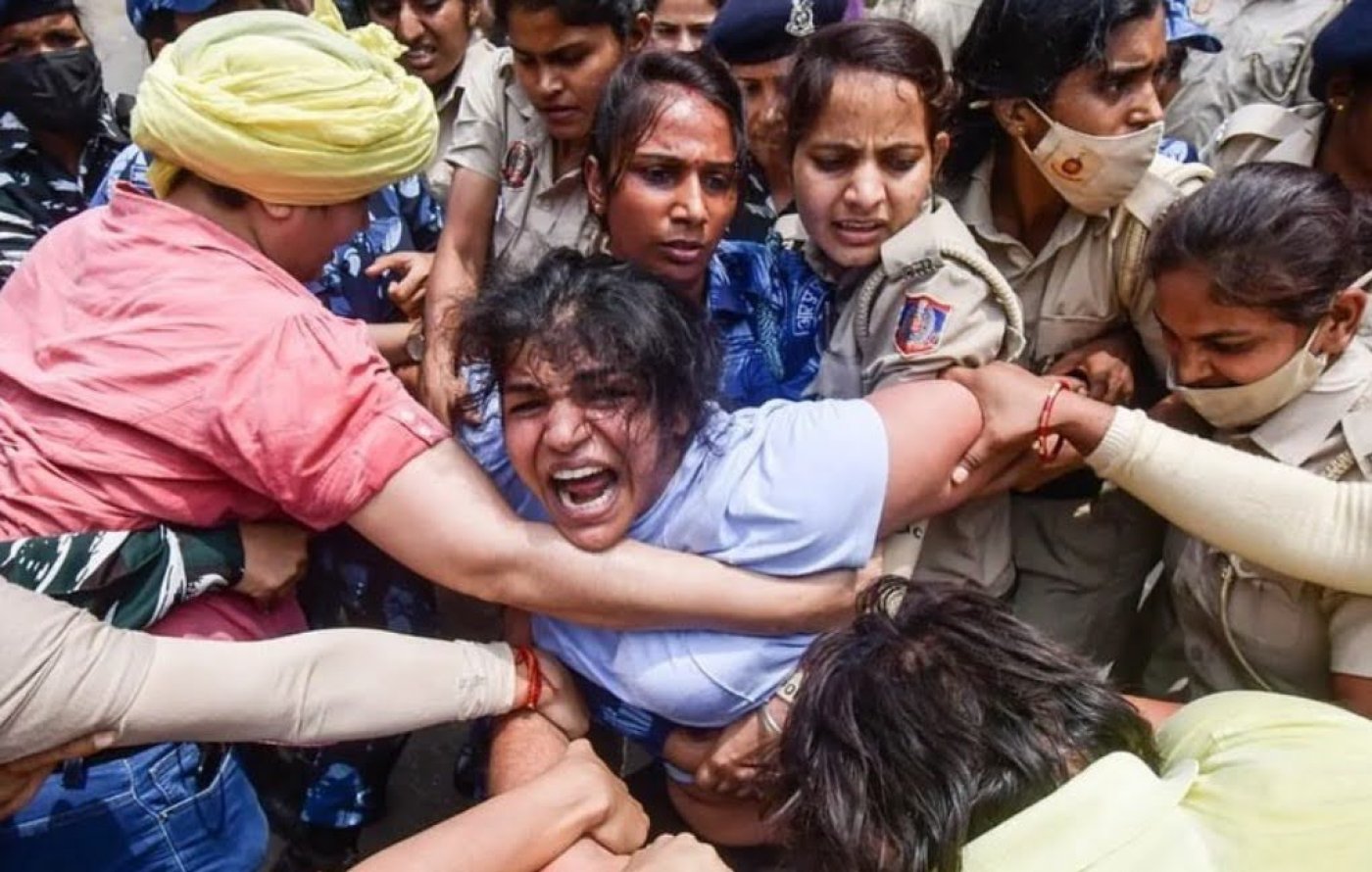
Weeks later, images of Olympic medallists Sakshi Malik, Bajrang Punia and Phogat being dragged across the streets of Delhi by police became among the defining moments of the protest movement. On 28 May 2023, the wrestlers attempted to march from Jantar Mantar to the newly inaugurated Parliament building. Police stopped the march, detained the athletes and dismantled the protest site. On 3 May 2026, Vinesh Phogat publicly identified herself as one of the six complainants.
In June 2023, Delhi Police filed a chargesheet against Singh in the adult wrestlers' case. Charges were framed in May 2024, and the trial commenced. In 2025, two complainants turned hostile while testifying.
The POCSO case followed a different trajectory. The Delhi police filed a closure report after the minor complainant withdrew her allegations, stating that she had acted under pressure from her father. A court subsequently accepted the closure report.
“The wrestlers had to struggle immensely for something as basic as the registration of an FIR,” said John. “The accused was an extremely powerful man.”
John said the acquittal is also a reminder of the price often paid by those who choose to come forward. The interview:
What is your reaction to the court's order?
I have not yet seen the order. However, it is deeply disappointing. I believe the complainants’ testimony should have led to the accused’s conviction, not his acquittal. The women wrestlers showed remarkable courage in coming forward and fighting this case in court.
What will be the next step?
We will challenge the order before a higher court. We hope to secure justice.
How do you assess the role of the prosecution? Were you satisfied with how the case was conducted?
The prosecution functioned as a prosecution is expected to. We had a good prosecutor. But the accused was an extremely powerful man, and that cannot be ignored.
How do you view the delay in registering the FIR after the alleged incidents?
The entire country witnessed the protests at Jantar Mantar. The wrestlers had to approach the Supreme Court just to get an FIR registered. They had to struggle immensely for something as basic as registering an FIR.
How much did the delay in registering the FIR affect the prosecution's ability to prove the case?
The detailed judgment is pending, so I cannot comment on it at this stage.
What was the scale of the power the wrestlers were up against?
One of the POCSO cases against Brij Bhushan Sharan Singh ended with the filing of a closure report. Two of the six complainants turned hostile. You can read between the lines and understand the kind of power we were dealing with. Despite that, the remaining four wrestlers fought an extraordinary battle in court. I continue to believe that the accused should have been convicted.
You mentioned the accused’s power. Can you explain what that power looked like in practical terms during the course of the case?
The accused would always come to court accompanied by a large security detail, including armed police personnel. The heavy security presence outside the courtroom, visible to everyone, reflected the extent of the power he wielded.
Two complainants turned hostile. Without commenting on confidential details, what factors can lead survivors in sexual assault cases to withdraw or change their testimony? Could you also tell us when they turned hostile?
Various kinds of pressures can lead complainants in such cases to withdraw or change their testimonies. Fear of retaliation, societal and familial pressures, and coercion that intimidates survivors are some of the reasons. The power of the person against whom complaints are made should never be underestimated when witnesses are forced to resile from their previous statements. Two of the six women wrestlers turned hostile when they testified before the court in 2025.
Is it fair to infer that the complainants were under pressure?
That question applies only to the witnesses who turned hostile, and I cannot comment on that. As for the complainants who stood their ground despite immense pressure, we can only commend their bravery.
What protections exist in India for complainants in such high-profile cases, and were they adequate here?
Vulnerable witnesses, including all the complainants in this case, are examined in specially designed Vulnerable Witness Deposition Complexes to ensure they are not intimidated by courtroom proceedings. These facilities are also intended to minimise interaction between the complainants and the accused. However, beyond what happens inside the courtroom, complainants are generally not afforded broader protection. In fact, one complainant who had been granted security by a court order had that security withdrawn the day before she was due to depose in court.
Did the court not find the complainants’ testimony sufficient? If so, what precedent does that set for future sexual harassment cases?
The detailed judgment is pending, so I cannot comment on that.
Do you think this judgment could discourage survivors from coming forward?
Yes. An increasing number of judgments in which courts choose to disregard the sworn testimony of victims in sexual assault cases will certainly discourage survivors from coming forward.
Do you see this as an isolated case, or does it reflect a broader problem in prosecuting sexual offences involving powerful public figures?
It reflects a broader problem in such prosecutions and also points to a failed system that appears to be working to protect powerful public figures.
(Kaushik Raj is a freelance journalist based in Delhi. Srishti Jaswal is an award-winning journalist.)
Get exclusive access to new databases, expert analyses, weekly newsletters, book excerpts and new ideas on democracy, law and society in India. Subscribe to Article 14.