
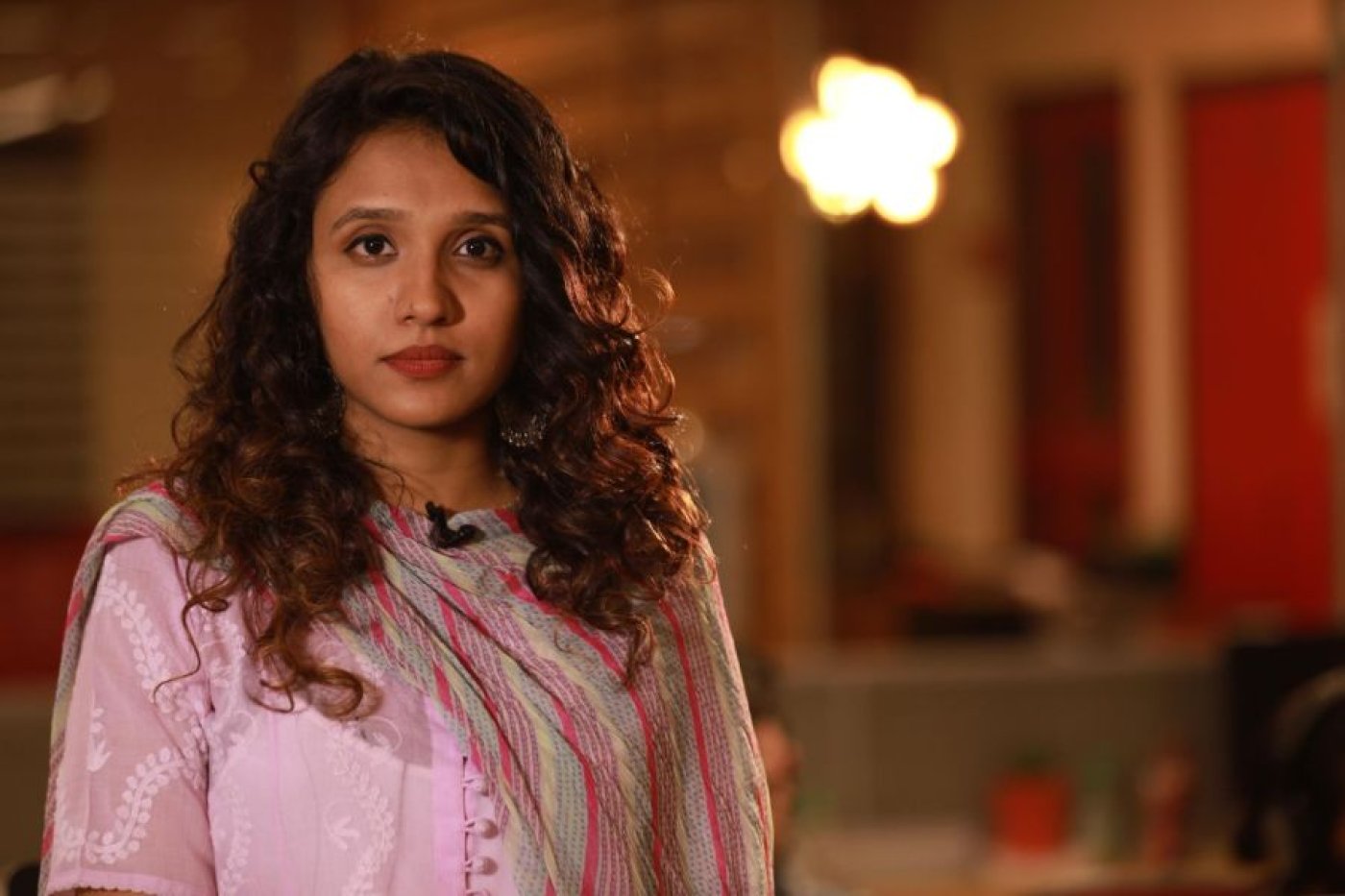
Delhi: By the time I started working as a full-time journalist in 2018, mob lynchings and other hate crimes had already become normalised in India. While there was sporadic coverage of these incidents, they were often reduced to standalone crimes, removed from the larger context of bigotry and hate being spewed by the country’s top leaders. As I dug my heels into reporting on hate crimes as a beat, I made deeper, more nuanced realisations.
The primary victims of many of these hate crimes were, of course, Muslim men. But as I went about covering their stories in one state or another, what was left behind in my reporting diaries were conversations I had with the women related to these victims. Their wives, daughters, mothers and sisters. I also spoke with women who weren't related to these men, but were witnessing what was happening to the men of their community from a distance. They too were enraged.
There were also Muslim women who were victims of the State's policies, like the hijab ban in Karnataka, which actively impeded their access to education, or they were victims of hateful actors like those who created the “Sulli Deals” and “Bulli Bai” mock auction platforms. There were also those, like the victims of the barbaric ‘triple talaq’ practice, whose genuine angst was weaponised by the State in order to pass an ill-informed law, the Muslim Women (Protection of Rights on Marriage) Act, 2019, or what is popularly known as the triple talaq law, which then left them worse off. Instead of divorcing women, many Muslim men simply began abandoning them, for fear of criminalisation.
There are approximately 100 million Muslim women in India, so of course there is no singular experience representing them. And yet, across states and backgrounds, all their diversity and differences notwithstanding, I began to notice a pattern among Muslim women. They are becoming highly politicised against the State, which manifests in their occupying the streets, as we saw during the nationwide movement against the Citizenship Amendment Act, 2019.
At the same time, they've also turned their gaze inward, questioning the gender power dynamics within the community. These are not dual binaries but experiences and struggles that coexist and, in fact, feed off one another.
These women are demanding greater equality across the board, but they are doing so without villainising Muslim men or throwing them under the bus because they're aware that it's a bus whose driver is all too willing to run them over. There is political solidarity at play here, but so is a deep, earnest desire to not let “their issues” be seen as secondary or subservient or issues that are separate from those of "the community".I noticed these stories wherever I went, to report on any subject. Eventually, I decided this story would best be told through a book.
Some Stories Need Time To Tell
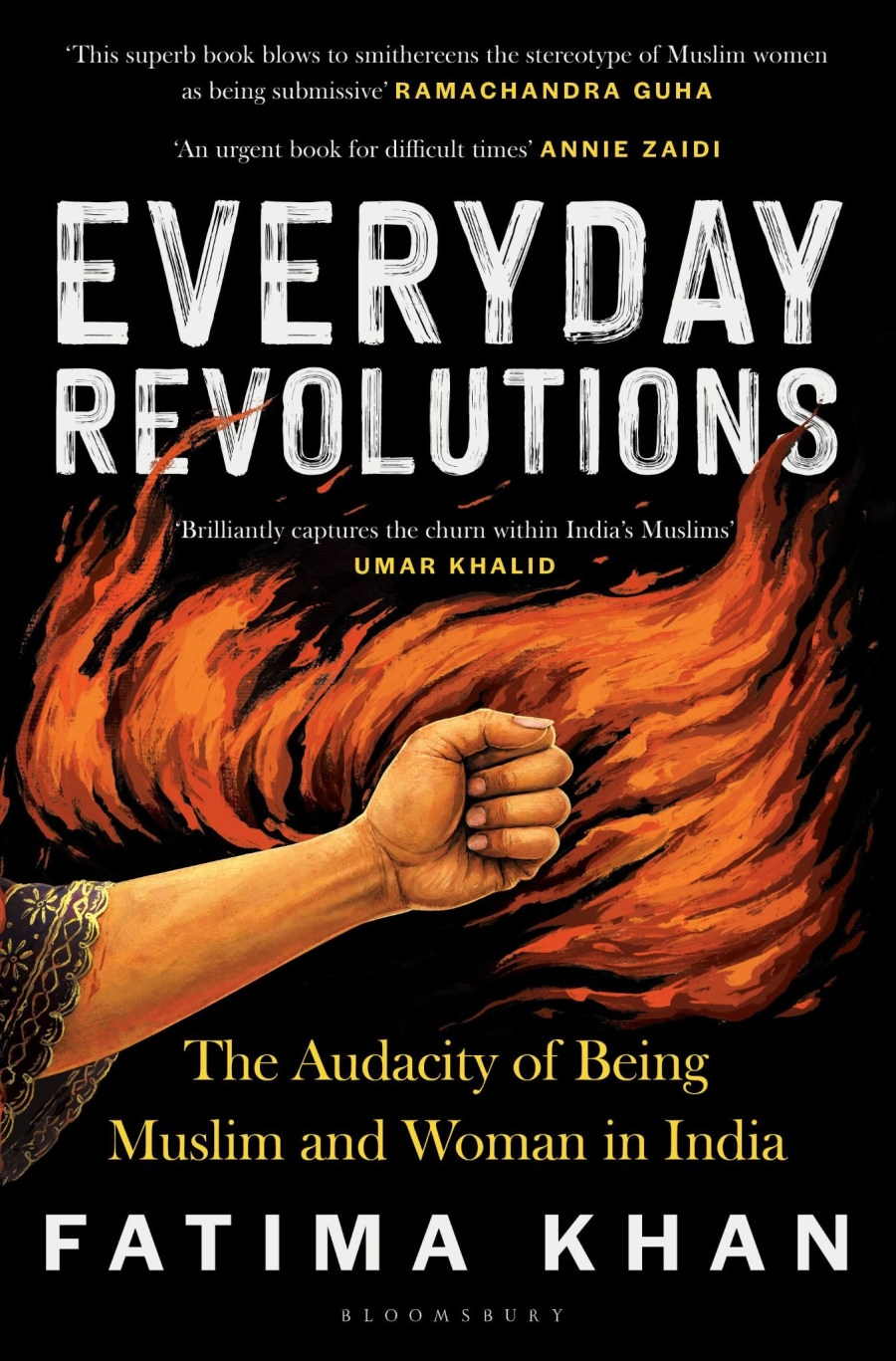
Everyday Revolutions: The Audacity of Being Muslim and Woman in India was finally published this month.
Through my pre-existing reporting, I’d already identified broad themes I wanted to focus on. But now I needed to start travelling across the country to dive deep into each story.
This involved remote locations in Uttar Pradesh, as well as Kerala, Tamil Nadu, Assam, West Bengal, Telangana, and many others. I spent the next five years reporting and writing the book. Now that I put it like that, it feels like an awfully long time. But frankly, this book could very well have come out two or three years ago.
The reporting was more or less done, so was a bulk of the writing. But I simply wasn’t happy with it.
For any long-form project of this sort, I’ve understood now that what is required is the exact opposite of the instincts needed in daily journalism.
In a newsroom, what needs to be prioritised is speed, not at the cost of accuracy or quality, but speed nonetheless. I used those same instincts and wrote the first, second and perhaps even third draft of the book fairly quickly.
But if I am telling the story of a whole community—one of the largest Muslim communities in the world—it merits a certain restraint. I needed to let the story sit with me, to let it marinate. This is something my book editor would often say to me, “let it marinate,” but I would never quite understand what she meant.
It took me stepping away from the daily grind of a newsroom (to pursue my Master’s), and actually not looking at the book for several months, to finally get it. I immersed myself in other sorts of reading. I had been reading several history and political science books, essays and papers for several years before reporting this book. But in the last two years, I almost entirely switched to reading fiction. It felt exhilarating to get back to reading beautiful prose with astounding levels of creativity and imagination. That felt like a turning point for me.
When I finally reopened my drafts, I could see far more clearly the flaws and what needed to be done to restructure the book and make the storytelling more vivid. I guess I had finally let the stories stay with me long enough without actively obsessing over writing the book.
I had let it marinate. There are many lessons and takeaways from this process.
Trusting your gut and chasing a story, no matter how ambitious it seems; building trust with sources over a period of years; pouring as much love and energy into writing as one does into the reporting.
(Fatima Khan is an independent journalist based in Delhi.)
Get exclusive access to new databases, expert analyses, weekly newsletters, book excerpts and new ideas on democracy, law and society in India. Subscribe to Article 14.