
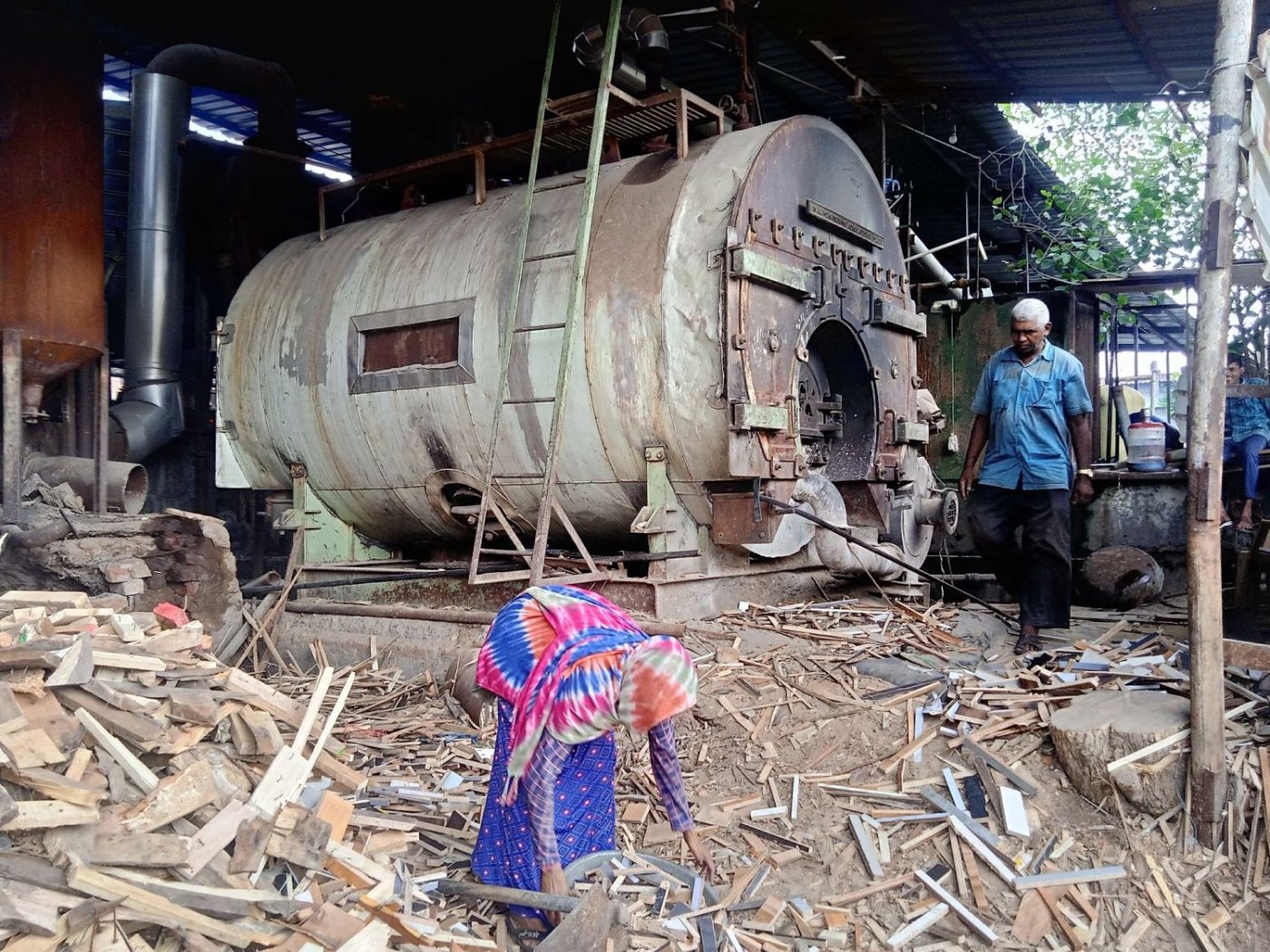
Ahmedabad: On 14 April 2026, at least 21 workers were killed and 23 critically injured when a boiler tube exploded at a Vedanta power plant in Sakhti district, Chhattisgarh.
The chief minister, Prime Minister (PM), and President expressed condolences, and the PM announced ex gratia compensation for the families of the dead and injured. The victims came from across several states—Chhattisgarh, Uttar Pradesh, Bihar, Jharkhand, and West Bengal.
A technical report by the chief boiler inspector attributed the blast to “excessive accumulation of fuel” inside the furnace, which triggered an uncontrollable pressure build-up.
A criminal case—citing prima facie evidence of negligence—has been registered against Vedanta director Anil Agarwal, company manager Devendra Patel, and other officials. The union government also constituted a special investigation team.
The incident drew swift state action, including charges against a company director. But it sparked little discussion on why such disasters continue: why industrial boilers remain largely unregulated, and why migrant workers in precarious conditions consistently bear the worst of them.
Registered factories averaged 1,109 deaths and over 4,000 injuries annually between 2017 and 2020, according to an RTI filed by IndiaSpend with union labour ministry’s Directorate General Factory Advice Service & Labour Institutes (DGFASLI) in November 2022 data. Boiler explosions rank among the leading causes of industrial disaster in India—yet media coverage tends to focus on casualties rather than the regulatory failures and missed warnings that precede them.
This article examines both the tragedy and its structural roots: who keeps these boilers running, and why they remain a disaster waiting to happen.
A Constant Risk
On a humid May evening in 2024, six men were rushed into the burns ward of the LG General Hospital here in Gujarat’s largest city. Their skin was blistered, their clothes charred.
Among them were five workers and a factory owner, all injured when a boiler exploded at a pharmaceutical factory in Ahmedabad’s Narol industrial area.
For the thousands of migrant workers who keep Narol’s boilers running, such accidents are a constant risk.
A field study (June 2023–March 2024) of 8 textile factories, released in March 2024, offered the first rare look into this hidden workforce—mostly Adivasi migrants who operate the boilers that power textile processing houses.
Nothing has changed since then, as my regular visits to these units reveal.
The 2024 findings revealed that the success of India’s $37.8‑billion textile economy rests on labour that remains largely invisible (here, here, and here).
Among the findings:
- Boilers are outdated, licenses expired, and inspectors absent. No safety audits are conducted by the labour department
- Factory owners provide neither safety equipment—personal protection equipment—nor basic amenities: functional toilets or crèche facilities
- Workers are hired through contractors, without appointment letters, minimum wage, or social security -
- Adivasi migrant women live on-site with their children, working 12-hour shifts of heavy physical labour in extreme heat, humidity, and rain—with no freedom of movement. The toll on their mental and physical health is severe
The Workers & The Furnace
India’s textile industry employs more than 45 million directly and 60 million indirectly in stitching, spinning, weaving, dyeing and finishing fabrics for domestic and global markets.
India's textile and apparel industry contributes 2.3% to GDP, 13% to industrial production, and 12% to total exports, making it one of the largest in the world, per the Economic Survey 2024-25. It employs more than a quarter of the organised manufacturing workforce across all sectors, per the Annual Survey of Industries 2022-23.
In Ahmedabad’s Narol cluster alone, nearly 2,000 small and medium processing units employ over 200,000 workers. Steam boilers sit at the heart of these operations, powering dyeing machines, drying units and finishing equipment.
Most boiler workers are migrants from Gujarat’s Adivasi areas and from neighbouring states. They work 12‑hour shifts, often living inside factory premises with their families.
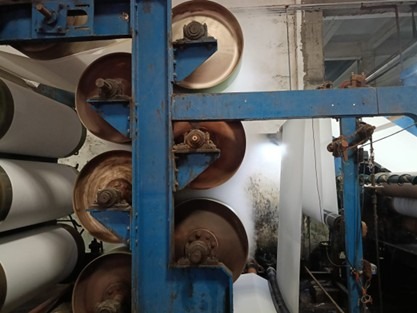
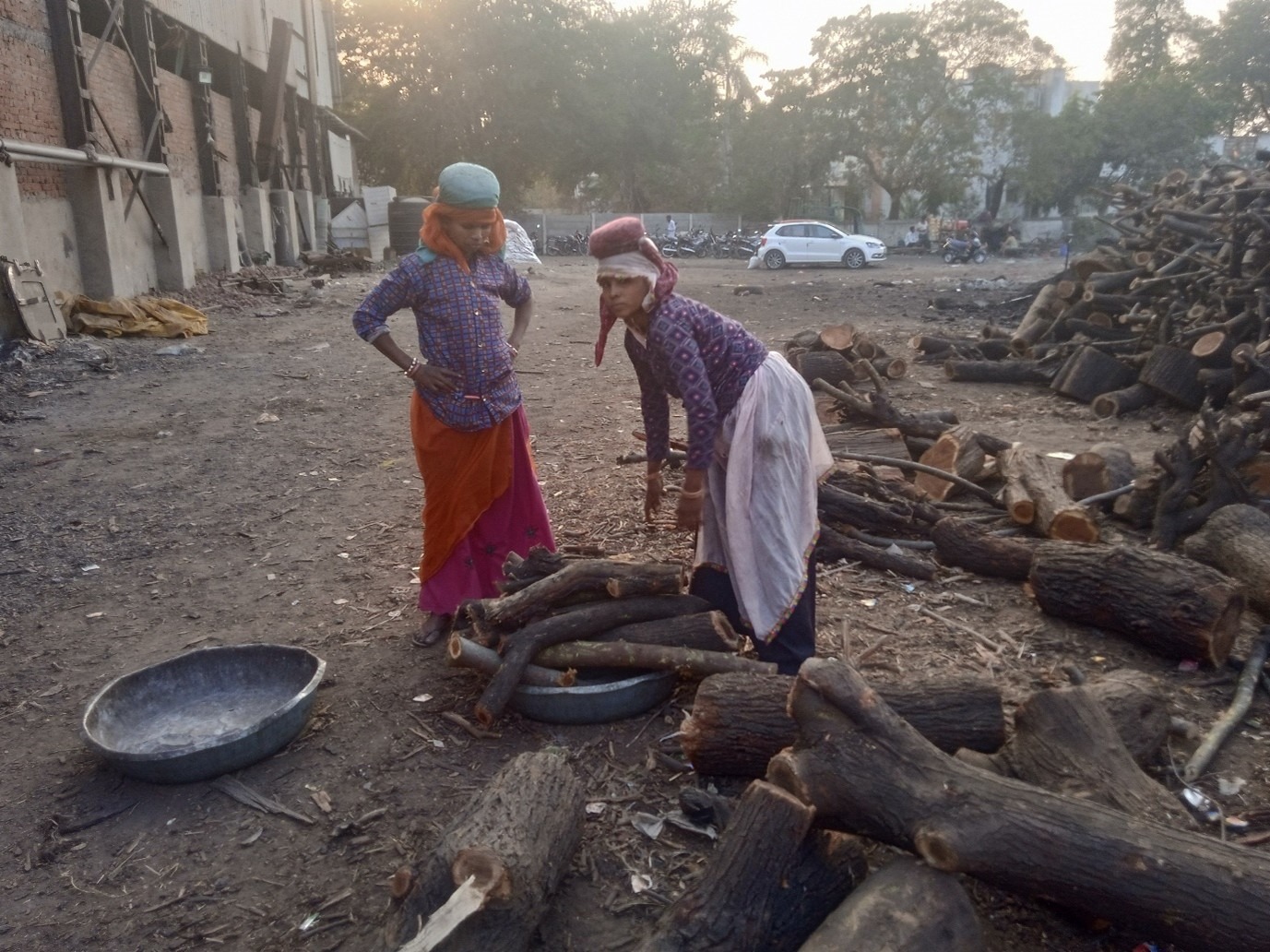
The jobs are physically punishing—marked by heat, dust, coal ash and noise. Roles are rigidly divided: helpers transport fuel and remove ash, firemen feed furnaces, and supervisors monitor pressure. Boilers run almost continuously, shutting down for maintenance only twice a year.
Women form 63% of this workforce, mostly as helpers carrying wood and coal or cleaning ash. Though men handle combustion and controls, women face the same exposure to heat and smoke.
Many couples migrate together, and their children often grow up within industrial compounds.
The Accidents & Violations
About 90% of India’s workforce is employed in the informal sector, where accidents often go undocumented. Boiler explosions are among India’s deadliest factory accidents.
In recent years alone:
- A boiler explosion in Muzaffarpur, Bihar, in December 2021 killed seven people and injured seven more.
- A blast in a chemical factory in Vadodara in December 2021 left four workers dead and 11 injured.
- In Bulandshahr, Uttar Pradesh, in February 2022, two workers died when a boiler blast triggered a wall collapse in a dyeing factory.
- In Rewari, Haryana, in March 2024, more than 40 workers were injured in a boiler explosion at an auto parts manufacturing unit.
These, along with the Narol May 2024 explosion, fit a national pattern shaped by neglect and informal labour.
The Boiler Act (2025) and other labour laws specify safety norms and social protections. These include the Factories Act, the Industrial Disputes Act, the Payment of Wages Act, the Provident Fund Act, the Employees’ State Insurance Act, the Payment of Bonus Act, and the Payment of Gratuity Act.
Yet most workers here are hired verbally through contractors, earning Rs 400–Rs 500 for 12‑hour days—without provident fund, insurance or overtime pay.
Most industrial laws, barring the Indian Boilers Act, are now included under the union government’s four Labour Codes, implemented in effect from 21st November, 2025 to promote the “ease of doing business”.
What has not changed—and may not—is irregular maintenance; trained boiler attendants who are often absent, and scarce protective equipment.
In 2023, the Karkhana Shramik Suraksha Sangh (KSSS) union documented multiple violations—unsafe fuel storage, lack of trained staff—and petitioned the Directorate of Industrial Safety and Health (DISH).
Inspectors later visited some factories, prompting modest improvements, showing the limited but real impact of worker advocacy.
The Chain & The Migrants
Textile houses in Narol supply fabrics to international brands such as H&M, Adidas, Marks & Spencer, GAP and Lewis (here, here, and here).
Yet these global supply chains hide multiple layers of subcontracting. Factories outsource functions like boiler operation or dyeing to small contractors, diffusing accountability when accidents occur.
Contracts between brands and suppliers remain opaque; if made public, they could extend responsibility for labour conditions beyond local units.
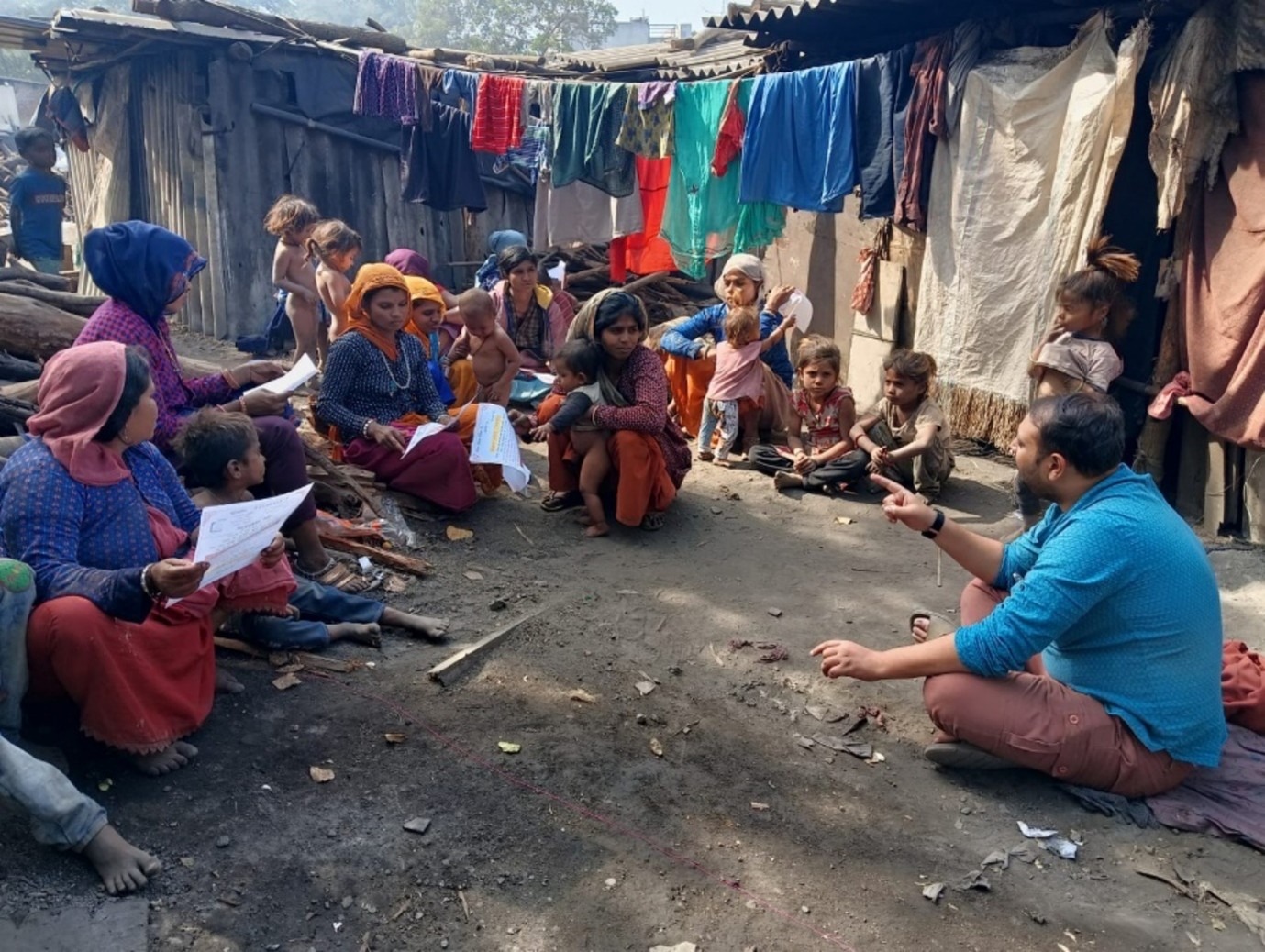
Most boiler workers come from regions with few employment options. Many are second‑generation migrants whose families have lived in Ahmedabad for decades.
They build precarious lives in informal settlements or factory quarters—homes they risk losing if their jobs end. The blurred boundaries between home and work leave little rest or bargaining power.
The Industry & Its Costs
Narol’s textile industry has weathered severe disruptions.
During the COVID-19 pandemic, global fashion brands and their supply chains incurred heavy losses, leading to a sharp drop in garment demand. Many processing houses shut down or reduced operations, leading to layoffs.
Some factory owners sold their assets or declared bankruptcy.
Environmental regulations have also affected operations.
In 2019, the National Green Tribunal ordered industries in Ahmedabad to stop releasing untreated effluents into the Sabarmati River. Several small textile processing units in Narol were asked to install water treatment systems or halt operations.
Despite these shocks, furnaces continue to burn. The study calls for better enforcement of safety laws, stronger unions and transparency in brand‑supplier contracts.
India’s textile growth story depends on labourers who endure heat, exhaustion and danger for modest pay. Their work fuels the steam that colours the nation’s fabrics - and the quiet fire beneath its prosperity.
Until working conditions change, the furnace doors in Narol will open each morning again. Wood will be carried, coal fed, and steam will rise - powering machines, and the lives of those who stand closest to the flames.
(Bhargav Oza is a lawyer and labour researcher based in Ahmedabad. He also acknowledges Aajeevika Bureau and Karkhana Shramik Suraksha Sangh, which supported him in conducting this field study.)
Get exclusive access to new databases, expert analyses, weekly newsletters, book excerpts and new ideas on democracy, law and society in India. Subscribe to Article 14.