
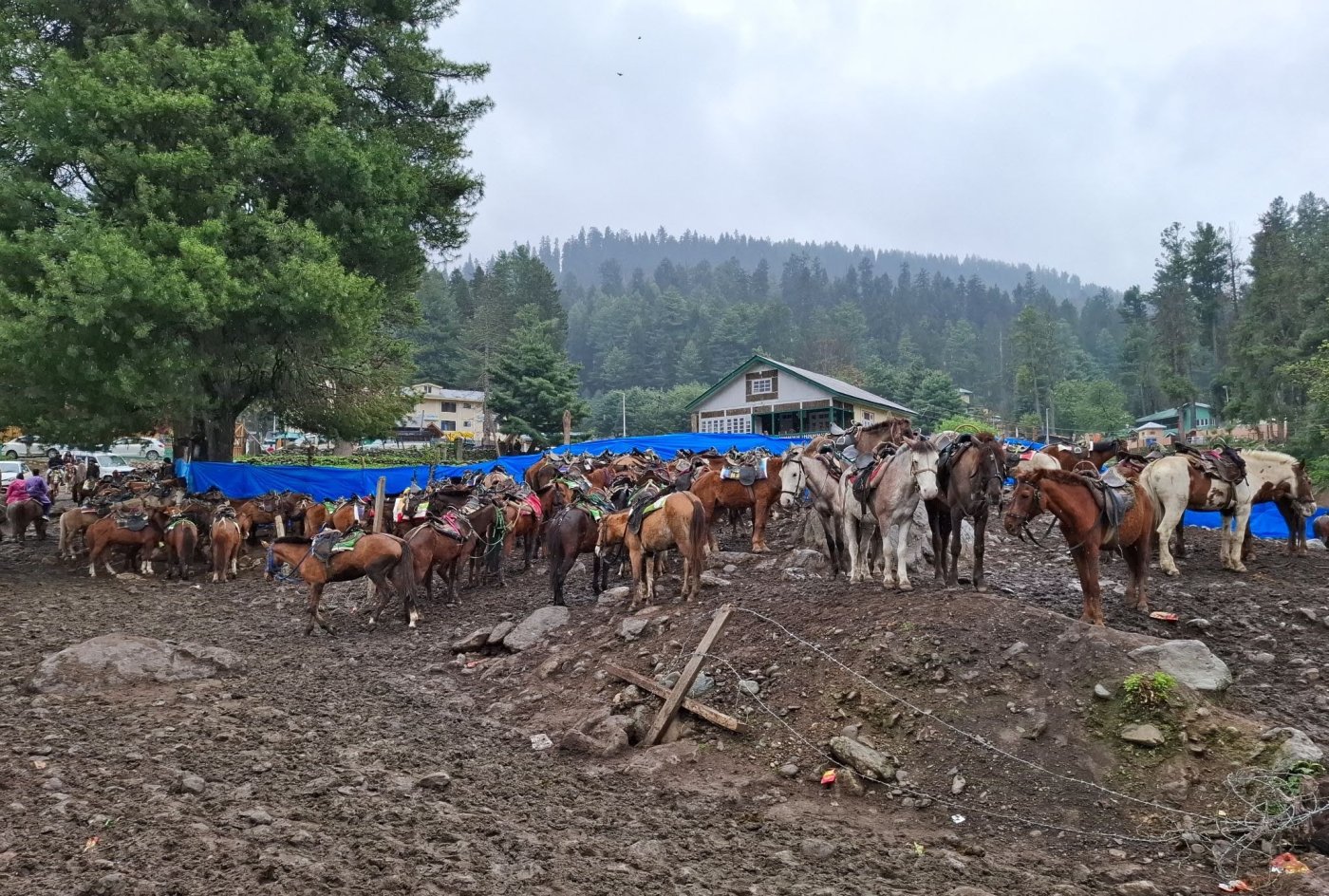
Pahalgam, Jammu & Kashmir: Most mornings, Waqar Ahmad takes his horse to the roadside near Pahalgam in southern Kashmir and waits for tourists.
Until last year, the 34-year-old with a beard and prematurely greying hair from Frislan village, about 6 km away, would take visitors to Baisaran, Duno Valley and Kashmir Valley. During the tourist season, he said, he earned between Rs 800 and Rs 1,000 a day.
Now, many days end with earnings of Rs 250.
Waqar, who has worked as a pony handler for nearly two decades and whose profession supports his wife and two children, said the April 2025 attack in Pahalgam changed his life.
After the attack, authorities shut several tourist destinations around Pahalgam, including Baisaran Valley, Duno Valley, Kashmir Valley, Dayban, the waterfall site and Old Shikar Gah. These routes had long sustained hundreds of pony handlers.
More recently, authorities introduced a QR code-based identification system for tourism service providers.
Waqar does not possess the tourism department licence required to obtain the QR code. Without it, he said, he is often stopped at checkpoints.
“Sometimes we try to go uphill,” he said. “If the police stop us, tourists are made to get down, and their phones or identity cards are checked.”
He said he had applied for a licence, but the process can take one or two months and may cost several thousand rupees in travel and paperwork.
“Applying for the licence online costs only Rs 50,” he said. “But obtaining the actual licence requires visiting several offices. During that time, handlers lose daily earnings.”
Waqar wants authorities to allow him to work while his application remains pending.
Routes That Once Sustained Pahalgam
On 22 April 2025, militants attacked tourists in Pahalgam, killing 26 people, dealing a severe blow to Kashmir's tourism economy.
Soon afterwards, authorities closed 86 tourist destinations. Several of the most important routes for pony operators were among them.
Before the attack, operators say they earned between Rs 1,500 and Rs 2,000 a day during the tourist season. Today, many of those routes remain inaccessible.
Pony operators say they have largely been confined to short roadside rides, often charging around Rs 500. Several say tourists complain because they are unable to reach the destinations they came to see.
Although tourism has resumed, many operators say they have not shared in the recovery.
The New QR Code System
A year after the attack, police introduced a QR code-based identification system for tourism service providers. Authorities say the system allows tourists to verify service providers and improves security.
The QR code requires three documents: a tourism department licence, Aadhaar and police verification. Only after these are submitted can a QR code be issued.
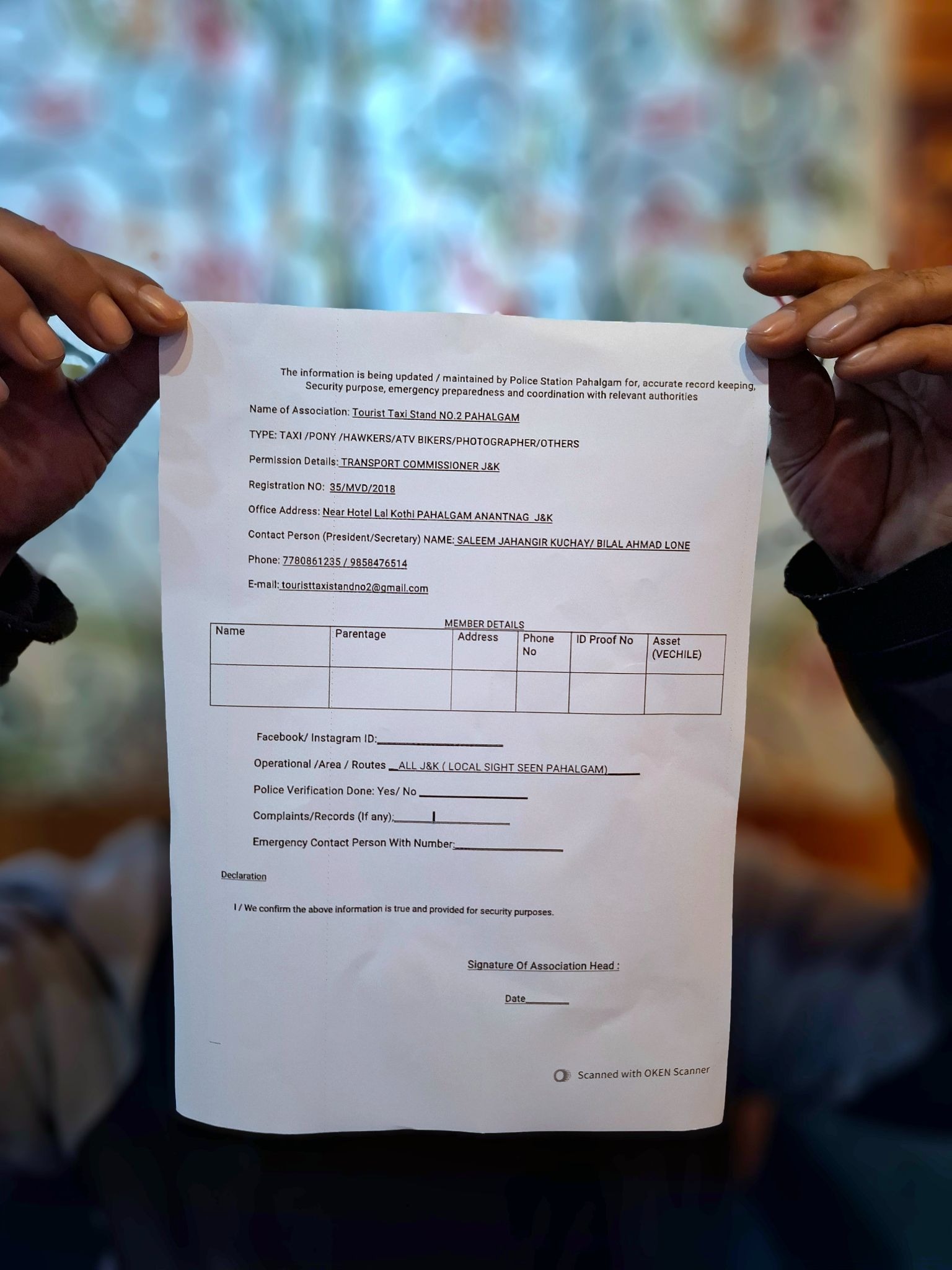
The system builds upon an older licensing framework. Earlier, pony operators relied on licences issued by the tourism department, with one licence allowing two horses to operate. During the Amarnath Yatra, labour cards were also issued after police verification.
Many operators say the QR code has become another administrative layer.
According to the Pony Association, Pahalgam has approximately 1,900 registered pony handlers operating around 3,800 registered horses. Another 1,500 horses are unregistered.
The association estimates that between 700 and 750 pony handlers from Pahalgam do not possess licences and therefore cannot obtain QR codes. Hundreds of applications remain pending.
The chairman of the Pony Association said the authorities appeared to be reducing the number of operators after the attack.
“Post Pahalgam, it feels like pony riders are being made a target,” he said.
14 Years Of Work, No Licence
Tabish Bhat, 32, said he had spent 14 years working as a pony handler.
Today, he works only occasionally.
“Before the attack, normally every pony handler would earn above Rs 1,000 a day,” he said. “What I earn today is meaningless.”
Tabish supports a family of five, including his ailing father, mother and two siblings. He does not possess a tourism licence and therefore cannot obtain a QR code.
“I operate twice a week, and that too after risking bypassing checkposts because I do not have the licence nor the QR code,” he said.
“I am completely depressed,” said Bhat. “My 14 years of service here in Pahalgam mean nothing to them, even being a resident. Now I need a QR code to prove my identity and earn my livelihood.”
He said the system had also restricted the type of work available to him.
Most days, he waits at the pony stand.
Personal Information On Display
The QR code system has also raised concerns about privacy.
Operators said anyone using applications such as Google Lens can scan the code and access personal information, including names, addresses, telephone numbers, Aadhaar-linked information and licence numbers.
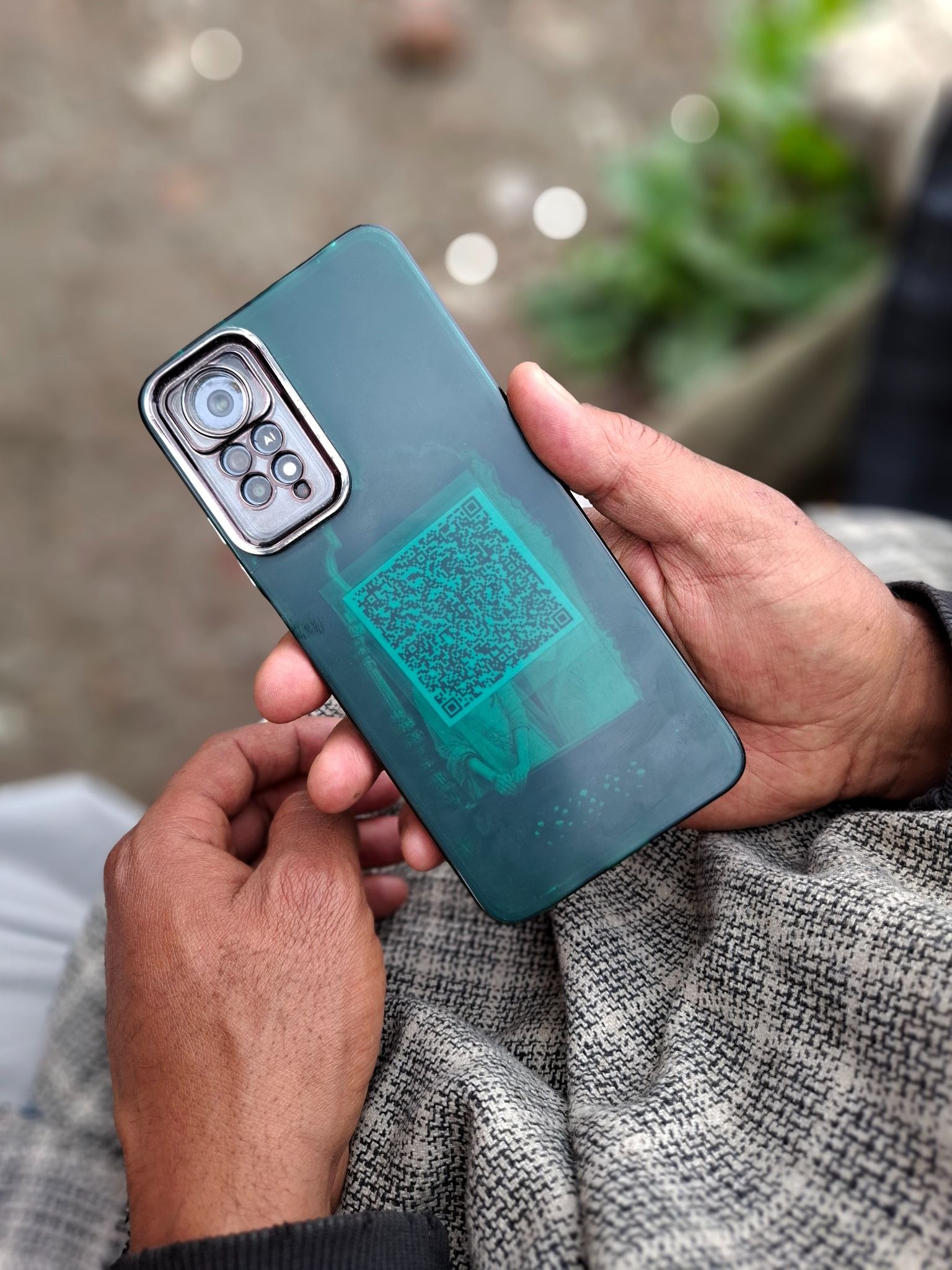
Many pony handlers said they do not fully understand the risks.
One rider said, “To be honest, we do not know how the data will be misused if anyone does, but since the police have issued QR cards, if anything like revealing details of pony riders happens, we will hold the police accountable.”
A government information technology official, who requested anonymity since he was not authorised to talk to the media, said the system carried both benefits and risks.
“Providing QR codes for security is fine with a specific community, be it the pony handlers, taxi drivers, or anyone,” the official said. “At the same time, the licence number, Aadhaar-linked details and contact details flashed on the screen after scanning put a person's details at risk.”
The official said such information should be masked and made accessible only to authorised users.
“See, it's a digital space; we have seen ample examples of breaching high-surveillance technology, and this is just a QR code,” the official said.
An advocate said the issue was not identification itself.
“The real issue is that those codes are accessible to everyone, including scammers and others who might misuse the identity of the people carrying them,” the advocate said.
“The government could regulate this by notifying rules for maintenance, management, and who may access the information. General public use of any scanner should be prohibited.”
Those Without Licences
Shahid Ahmad Khan, 26, comes from Trel Mattan, around 38 km from Pahalgam. He has worked in Pahalgam for eight years and does not possess a licence.
He continues to work because he is attached to a senior pony handler, Waseem Ahmad.
“It is because I am with Waseem that the system lets me continue,” he said, adding that he did not understand the purpose of the QR code.
“Pahalgam is a tourist place,” said Waseem. “Anyone can come and enjoy. If someone wants to go uphill, they should be able to.”
He said many unlicensed operators had already stopped coming.
“There are around 60 to 70 pony handlers who have worked in Pahalgam for years but are not from the Pahalgam area,” said Waseem. “They are no longer there because they lack licences and therefore QR codes. Those who have the QR code can work, and those who do not shall leave this place.”
Horses Sold, Incomes Lost
According to the Pony Association, approximately 5,000 horses once operated across Pahalgam's two pony stands. Around 2,000 have now been sold.
Operators said many families can no longer afford to feed or maintain their animals.
Several said they were struggling to meet household expenses.
The association said that even operators who possess QR codes often cannot access the principal tourist routes because different agencies require different documents.
Many remain restricted to short rides near the roadside.
What Officials Say
Officials from the tourism department said they had no role in the QR code system and had not attended meetings relating to its implementation.
Regarding pending licences, they said new licences would not be issued until environmental and carrying-capacity studies are completed.
Officials said the department would survey existing operators to determine whether some licence holders had died or left the profession. Only active operators would be considered for licensing.
Officials also said the government was assessing how many service providers, hotels and other facilities Pahalgam could sustain, adding that reopening the main tourist destinations remained a security matter beyond the department's authority.
Police officials have defended the QR code system.
They said all service providers are police-verified, officially registered, and assigned unique QR codes that contain personal and professional information.
Tourists can scan the code to verify the worker's identity. Officials said the system reduces fraud and prevents unauthorised individuals from operating.
Tourism stakeholders have also welcomed the measure as a way to improve visitor safety.
Waiting For Permission To Work
Late in the afternoon, Waqar Ahmad still waited beside his horse near the roadside.
He said he continues to visit government offices to enquire about his licence application. Until it is approved, he cannot obtain the QR code required to work on many routes.
He says he wants only one concession from the authorities: permission to work until his licence arrives.
Meanwhile, taxis carrying tourists continue to move through Pahalgam market, and visitors return to the valley's hotels and restaurants.
For Waqar and many other pony handlers, the recovery remains uncertain.
(Ilhak Tantray and Umer Farooq Zargar are independent journalists based in Srinagar.)
Get exclusive access to new databases, expert analyses, weekly newsletters, book excerpts and new ideas on democracy, law and society in India. Subscribe to Article 14.