
This week’s edit note is painfully simple. It is, essentially, a list.
A list of the crimes against minorities in just the first month of January in India: some committed by the State, others by the familiar mix of Hindu goon squads and just seemingly normal people.
Alongside the violence are the words: hate speech, discriminatory statements, including those made by elected leaders, and videos that openly call for and glorify the killing of Muslims.
Instead of containing this violence, the State in some places has been a direct perpetrator. The police usually file cases against the victims, and the courts have proven entirely incapable of stopping the spread of violent hatred and bigotry.
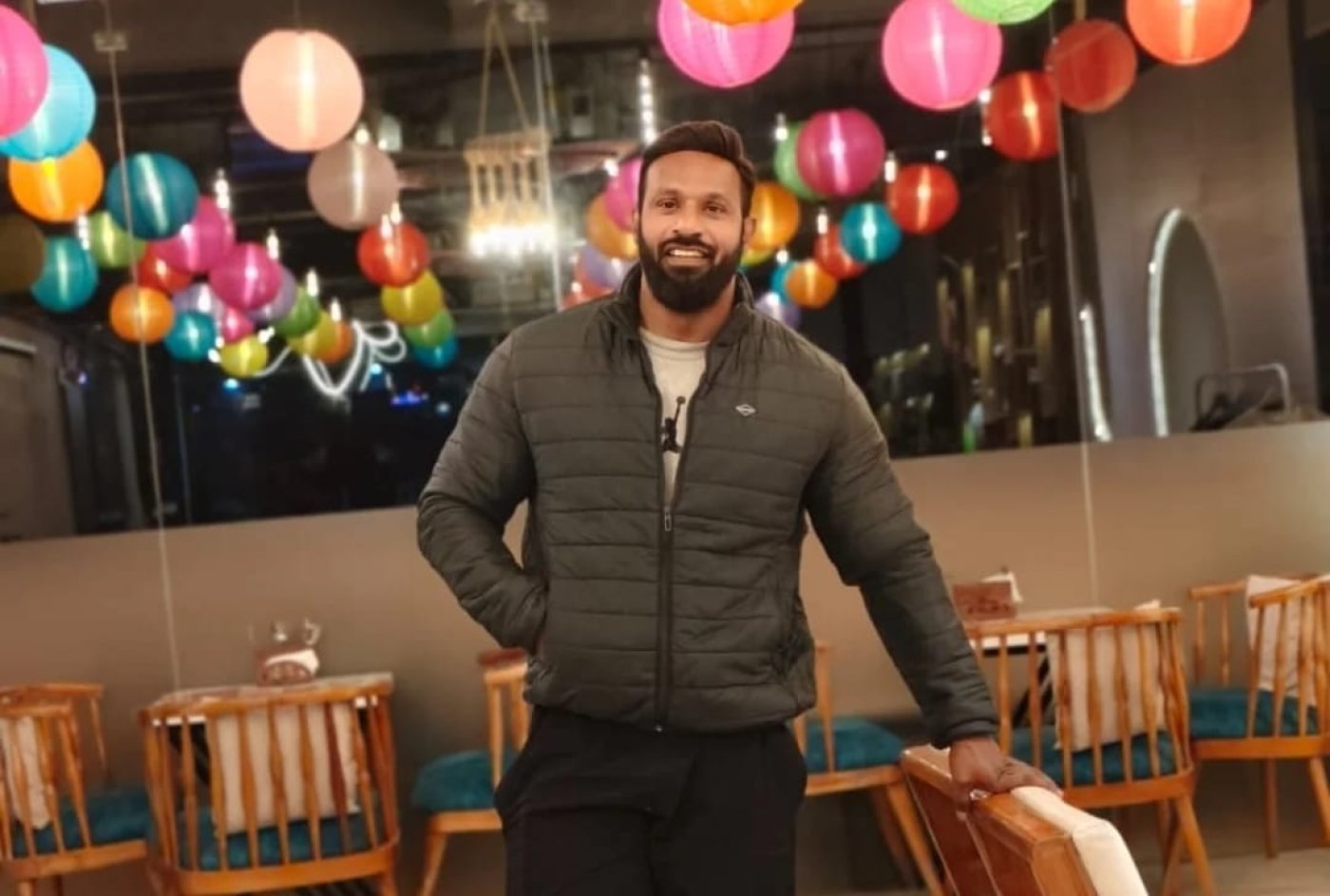
In Uttarakhand, right-wing Hindu goons targeted an elderly Muslim shopkeeper on Republic Day, demanding he change his shop’s name because it used the word “Baba”. Local gym owner Deepak Kumar stepped in to confront the thugs and told them his name was Mohammed Deepak, later explaining that he said this to make the point that Hindus and Muslims are not different.
In an Instagram post, Kumar wrote: “Hindu Muslim Sikh isai apas me hai bhai bhai.”
“I just want to say, our country needs love, not hate,” he said. “You can keep spreading hate, but to spread love is a big thing.”
The police in the BJP-ruled state first registered a case against Kumar for allegedly using abusive language, threatening the peace and disturbing public order.
Despite clear videos showing Bajrang Dal members harassing the shopkeeper, the police registered a case against “unknown persons”.
Uttarakhand, like Madhya Pradesh (and lately Odisha after the BJP took charge there), has been steadily sliding into a communal cesspool, seen in Uttar Pradesh (UP) and Gujarat. All are states governed by the BJP.
In 2023, after a visit to the state, social activist and a former IAS officer, Harsh Mander, told us Muslims in Uttarakhand were “afraid, very afraid”. At Article 14, we have chronicled the violence and other atrocities by State and non-State actors in that state (here and here).
Islamophobia flows from the top, with chief minister Pushkar Singh Dhami, a purveyor of unfounded conspiracy theories, named by a US-based think tank that compiles such events as India's top “most prolific hate-speech actor” in 2025 (Dhami said he was glad to accept the title).
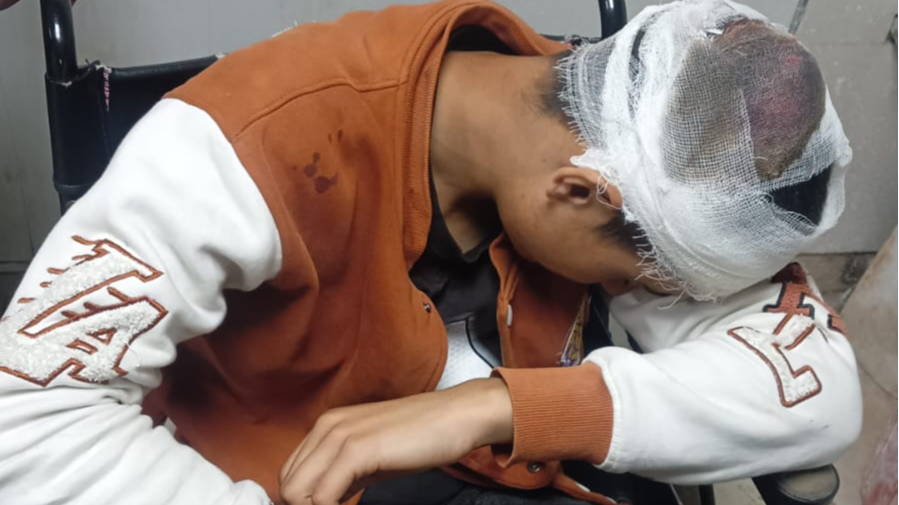
Meanwhile, random attacks continue on Kashmiris trying to make a living outside a state with some of India's highest unemployment—nine already this year—from an 18-year-old battered in Uttarakhand to an elderly man harassed in Saharanpur, UP.
The police do very little, sometimes registering a case, but it rarely stops anything or serves as a real deterrent. Beyond the physical violence, mental harassment and hate mongering, there’s a clear social and economic boycott, with people saying things like, “This is Uttarakhand, not Kashmir,” or asking, as they did before beating the teenager, “Tu Kashmiri Musalmaan hai (You are a Kashmiri Muslim)?”
There is very little public outrage. The media barely reports what is happening.
Here are 13 other incidents:
• A Christian pastor, Bipin Bihari Naik, in Odisha, was attacked by a Hindu mob who accused him of forced religious conversion, beating him, garlanding him with slippers, smearing vermilion on his face, parading him through the village and forcing him to eat cow dung.
• A Muslim man, Makandar Mohammad, who was battered and made to recite Hindu religious slogans by cow vigilantes in Odisha, died of his injuries.
• A Muslim man, Sheikh Saroof, was attacked by a Hindu mob in Odisha, stripped, forced to recite Hindu religious slogans and paraded in the night.
• A Muslim Bengali migrant, Manjur Alam Laskar, was accused of theft, labelled a Bangladeshi, and beaten to death in Andhra Pradesh.
• A Muslim cattle transporter, Pappu Ansari, was lynched in Jharkhand.
• Two teenage brothers, Danish and Tabiz, were attacked with iron rods in Uttarakhand by a shopkeeper and two others after they were heard speaking in Kashmiri. Danish’s arm was broken, and he has 12 stitches on his head. They are one of many Kashmiri shawl sellers to face harassment, assaults, and economic boycotts in different states in recent years.
• Muslim men were detained by the UP police for offering namaz in a vacant private home with the consent of the Muslim owner.
• A Muslim man’s building, meant to house a school for tribal children on his own land in Madhya Pradesh, was bulldozed by the state government.
• A medical college in Jammu was closed because most of the candidates selected on merit after a national entrance exam were Muslim.
• In Dehradun, Uttarakhand, Sufi poet Baba Bulleh Shah's shrine was vandalised by Hindu extremists.
• The Assam chief minister, Himanta Biswa Sarma—another Islamophobe who freely violates his oath of allegiance to the Constitution—said, "Trouble the Miya Muslims (Bengali speaking Muslims) by any means. If they face trouble, they will go from Assam.”
• Two women Hindu extremists called for the killing of Muslims at a rally in Raebareli, UP.
• A video showed Hindu women saying they wanted to kill Muslim babies.
There’s more. Much more.
The Marsh family from Kent, United Kingdom, changed the lyrics of a song called San Francisco to reflect the killing by the US Immigration and Customs Enforcement (ICE) of two people protesting President Donald Trump’s inhumane immigration campaign in Minnesota. They wrote: “There comes a time, it will be beyond repair.”
We hope the good people of #SanFrancisco will forgive us for adapting a song about their city in 1967 to address the shocking and tragic events in #Minnesota in recent weeks. This is dedicated to Renée Good and Alex Pretti, and in solidarity. Our version is called "Minnesota" ❤️ pic.twitter.com/Rx1sVGrGax
— MarshFamilySongs (@MarshSongs) January 28, 2026
In India, that time appears to be here already.
(Betwa Sharma is managing editor of Article 14.)
Correction: An earlier version of this edit note said the Marsh family is from Minnesota. They are from Kent, United Kingdom. The error is regretted.
Get exclusive access to new databases, expert analyses, weekly newsletters, book excerpts and new ideas on democracy, law and society in India. Subscribe to Article 14.