
Bengaluru: Women are not the problem.
The quicker Prime Minister Narendra Modi’s government realises this, the better. Our needs are simple. Just give us the basics (roti, kapda, makaan, shaala) and look the other way. The more the state and the family back off, the more we thrive. Set us free and watch us fly.
No need to spend 80% of the funds collected in the name of saving girls for a media campaign that the target audience (the Indian family) doesn’t give two hoots about. Also, why waste time, legal resources and muscle power telling us who to marry or what gender we belong to? We can figure it out for ourselves.
Alongside all those digital literacy and access to capital discussions that the union minister of women and child development, Annapoorna Devi, graces on International Women’s Day, we need something much more basic. It’s great that the focus on Nari Shakti has led to more smoke-free kitchens and to women Agniveers in the armed forces.
But the Modi government needs a fundamental policy correction. It needs to urgently introduce a Beta Bachao policy.
What do we mean when we say Beti Bachao anyway? Who are we saving the Beti from? In a country where a three-year-old can be gangraped by her 22-year-old uncle and his friends, where a differently abled young woman can be raped repeatedly by her father, and the crime discovered only when the girl gets pregnant, who do you think should be the focus of a scheme to fix a fundamental societal wrong?
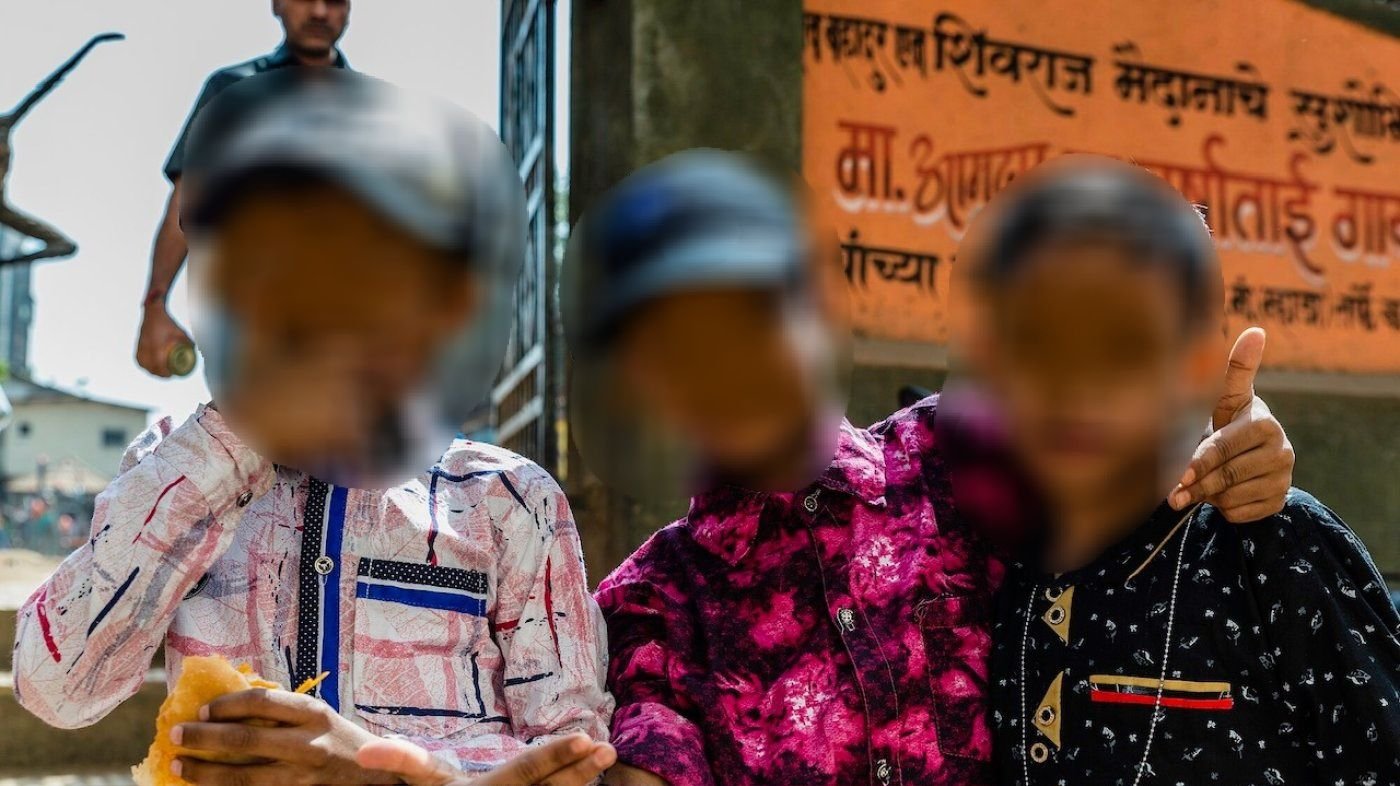
Answer: The Indian boy and man.
Three cheers for the private funders who are already hard at work on gender-sensitivity programmes, such as Rohini Nilekani Philanthropies. Well done to all the UNESCO reports that, from time to time, highlight the contours of this crisis. But these are simply not enough. We need a big bang campaign featuring cricketers and actors. The prime minister himself needs to lead the effort to save Indian boys and men.
Everyone should contribute. Home Minister Amit Shah can join the effort by coming true on his 2018 boast: “Real or fake, we can make any message go viral.” Maybe he can ensure that every Indian man and boy knows what will happen to them if they are unable to follow the many laws against gender violence in this country.
“Call it a psychological disorder if you think of women this way, introduce gender sensitivity in the school and college curriculum,” suggests Sunil Jaglan, former panchayat leader and the man behind the Selfie with Daughter campaign. Jaglan, who believes inculcating sensitivity in boys is the need of the hour, adds that the Information & Broadcasting ministry should establish a fund to invest in gender equity content. My suggestion: The prime minister could stop defending films such as Dhurandhar and Kerala Story and become a champion for films and TV series that show a firm thumbs down to toxic masculinity.
There are enough news headlines to suggest that many of our boys and men think exactly like the world’s most famous child rapist and child sex trafficker. One of Jeffrey Epstein’s many victims, Virginia Roberts Giuffre, revealed a key secret in a chilling paragraph in Nobody’s Girl, her posthumous memoir published last year. She told us exactly what Epstein thought of women.
Giuffre wrote:
“Today I know that Epstein liked to tell friends that women were merely ‘a life-support system for a vagina.’ I didn’t know that then. Today I know that Epstein made the following chilling distinction: ‘I’m not a sexual predator; I’m an offender. It’s the difference between a murderer and a person who steals a bagel.”
India is full of lesser-known Epsteins who will never be called to account.
Giuffre also said that for Epstein, a girl was fair game as soon as she started menstruating. His logic was that since they could biologically bear children, they were “of age.” She added: “He felt he could defend his abuse of her as part of the natural order of things.” It’s an idea that is actually quite prevalent in many parts of the world, including our country, where, in 2021, 23% of girls were married before the age of 18. See more here.
There’s no mention of Indian boys and men anywhere in the Press Information Bureau’s listing of schemes in the areas of gender disparity:
- Beti Bacho Beti Padhao (BBBP) to improve the Child Sex Ratio and enable education for the girl children,
- Swadhar Greh Scheme to provide relief and rehabilitation to destitute women and women in distress,
- Ujjawala, a Comprehensive Scheme for prevention of trafficking and rescue, rehabilitation and reintegration of victims of trafficking and commercial sexual exploitation,
- Rashtriya Mahila Kosh (RMK) to provide loans to poor women through Intermediary Microfinancing Organisations (IMOs), Non-Governmental Organisations (NGOs) to promote their socio-economic development,
- Working Women Hostels (WWH) are meant to ensure safe accommodation for women working away from their homes.
Sure babies and pregnant mothers are being better taken care of and more girls are going to school. But we can do without bike expeditions that “redefine the narrative around women’s empowerment”.
It’s time this government used its muscle and mardangi for a good cause: to address the root of the widespread gender violence we see around us every day. It’s time to rescue Indian boys.
(Priya Ramani is a member of the editorial board of Article 14.)
Get exclusive access to new databases, expert analyses, weekly newsletters, book excerpts and new ideas on democracy, law and society in India. Subscribe to Article 14.