
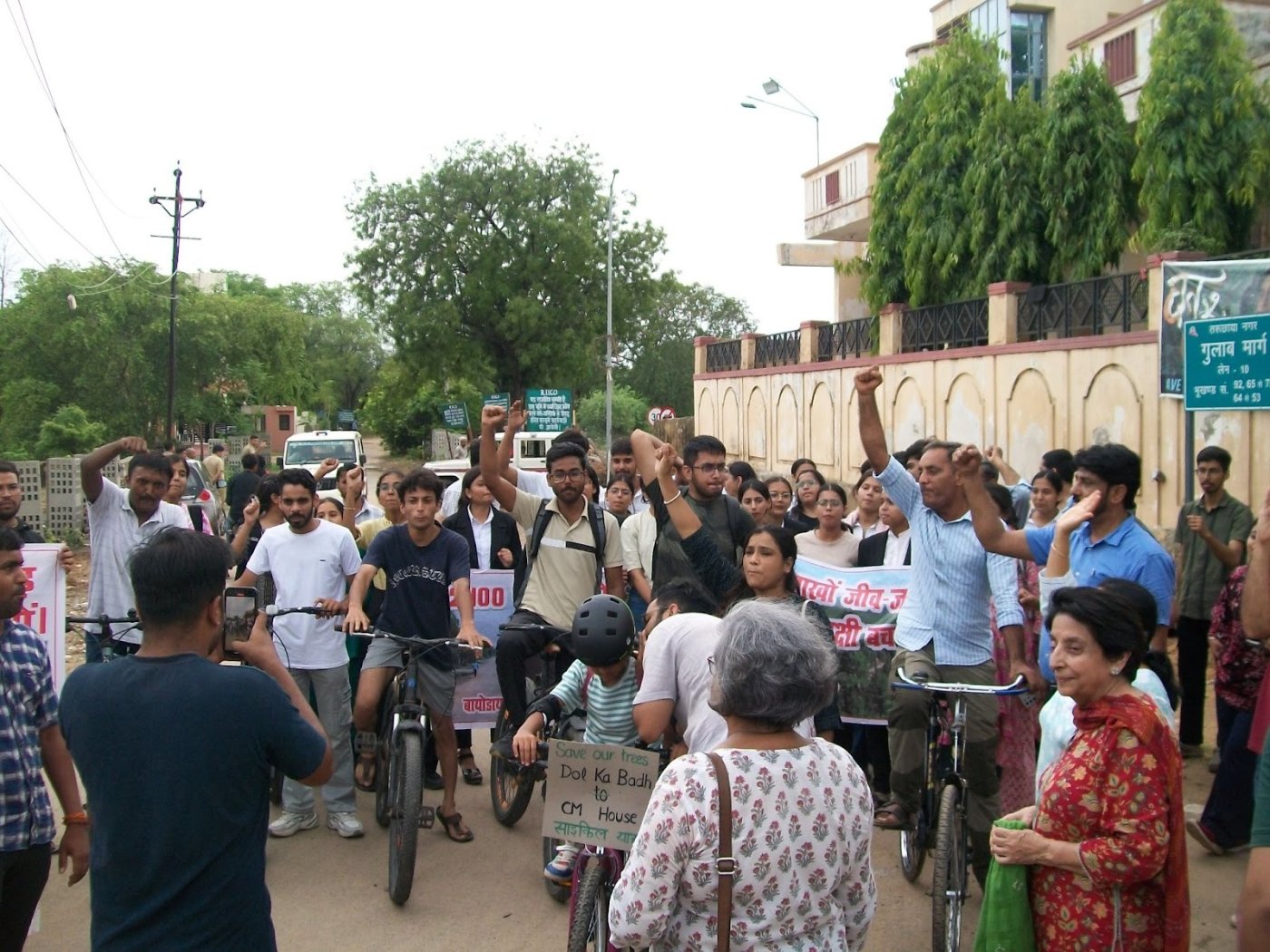
Jaipur: The canopy rings with birdsong, peacock and shy nilgai rustle through the lush, ancient forest with more than 2,400 trees—belonging to over 40 species—over 60 medicinal herb species, and over 85 bird species.
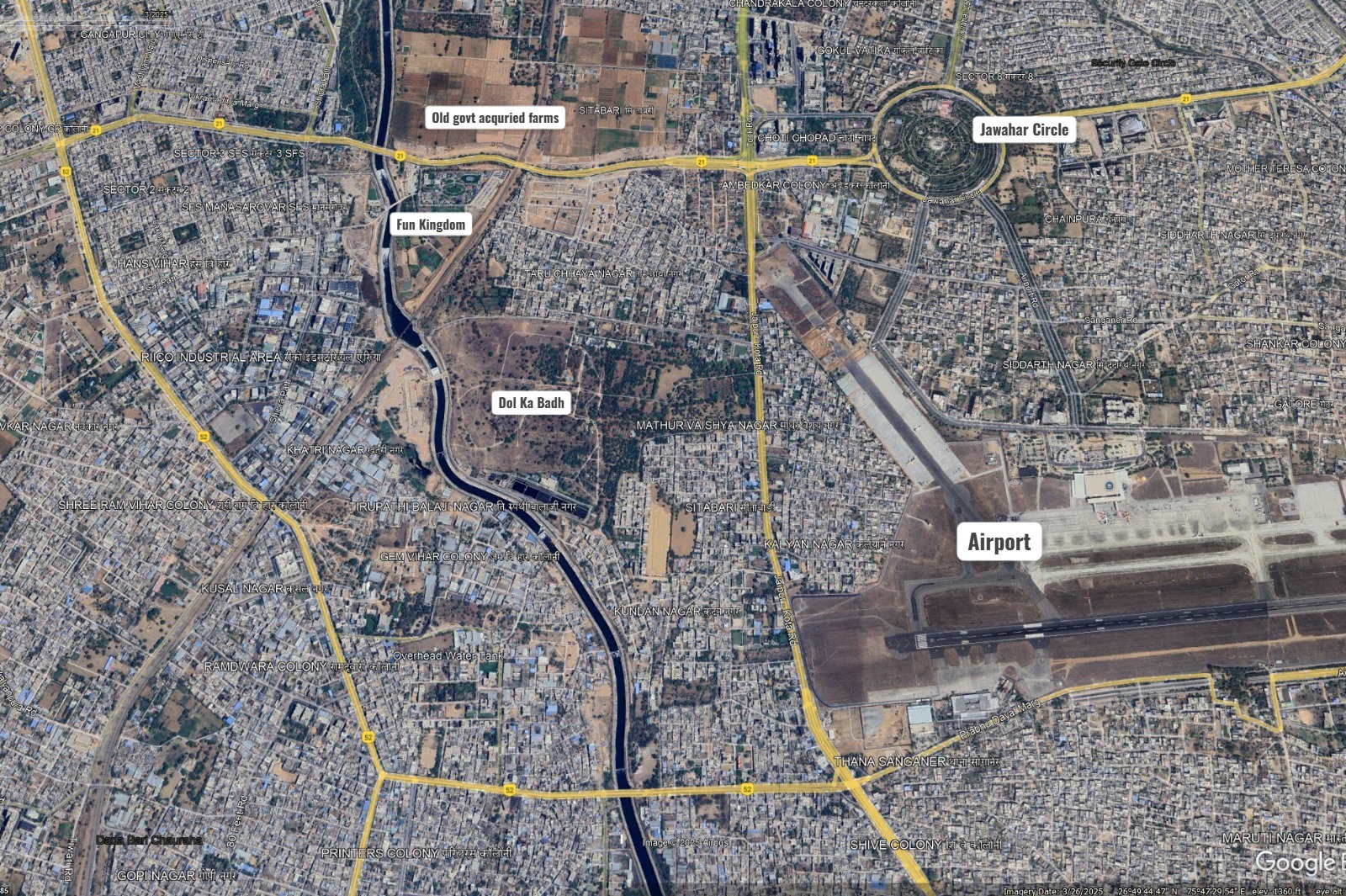
This is the Dol Ka Badh forest, not in India’s remote heart but in the heart of India’s 10th most populated city, Jaipur, teeming with more than four million people.
In its lush 105-acre expanse, retired forest officials, zoologists, botanists, and ornithologists have documented species such as the nilgai, or blue bull—a kind of antelope protected under the Wildlife Protection Act of 1972—and the near-threatened Alexandrine parakeet.
All of these are under threat of being wiped out.
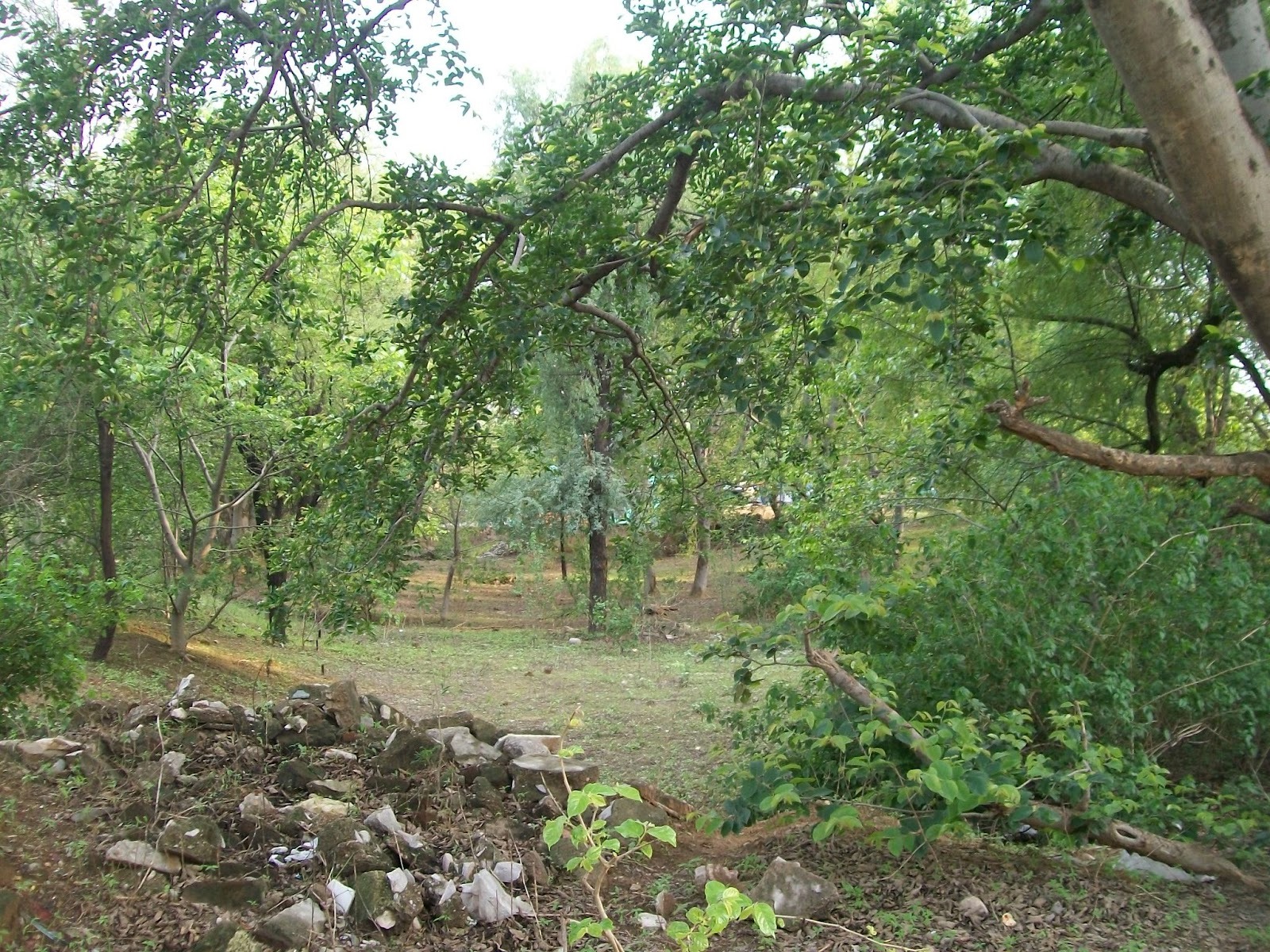
For Shaurya Goyal, a marketing professional and a lead campaigner in a movement to save Dol Ka Badh, the forest is a rare space for experiencing nature in a city that grows more crowded each year.
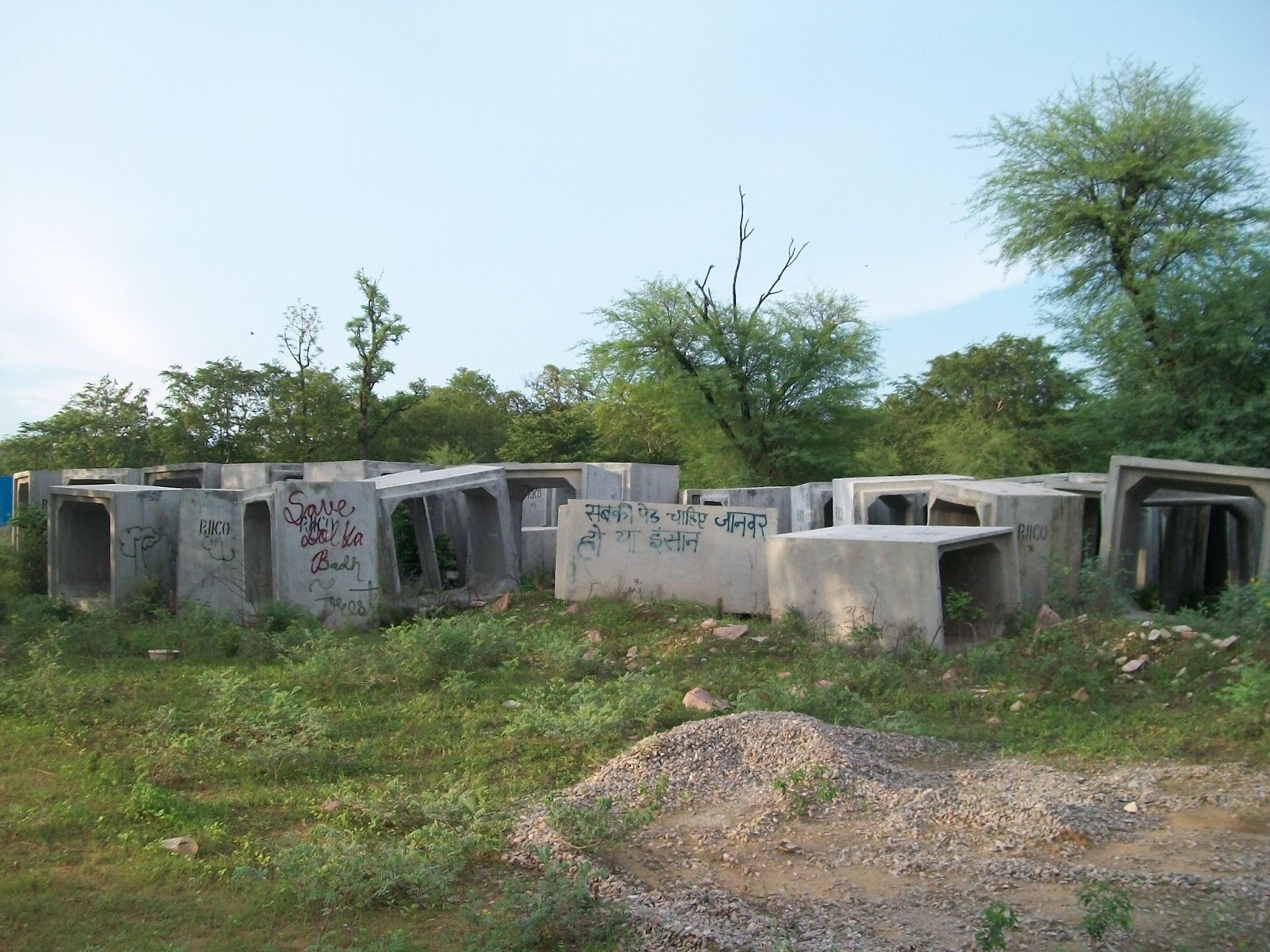
A sense of doom now hangs over its lush expanse, as, according to Goyal, 15% of the forest was cleared between April and November 2025, the first effort to build—among other things—a mall.
The BJP government, in power since December 2023, is converting Dol Ka Badh into a bustling commercial hub. Plans feature the PM Unity Mall, a fintech park, hotels, and the Rajasthan Mandapam convention centre, part of a Rs 37 billion project.
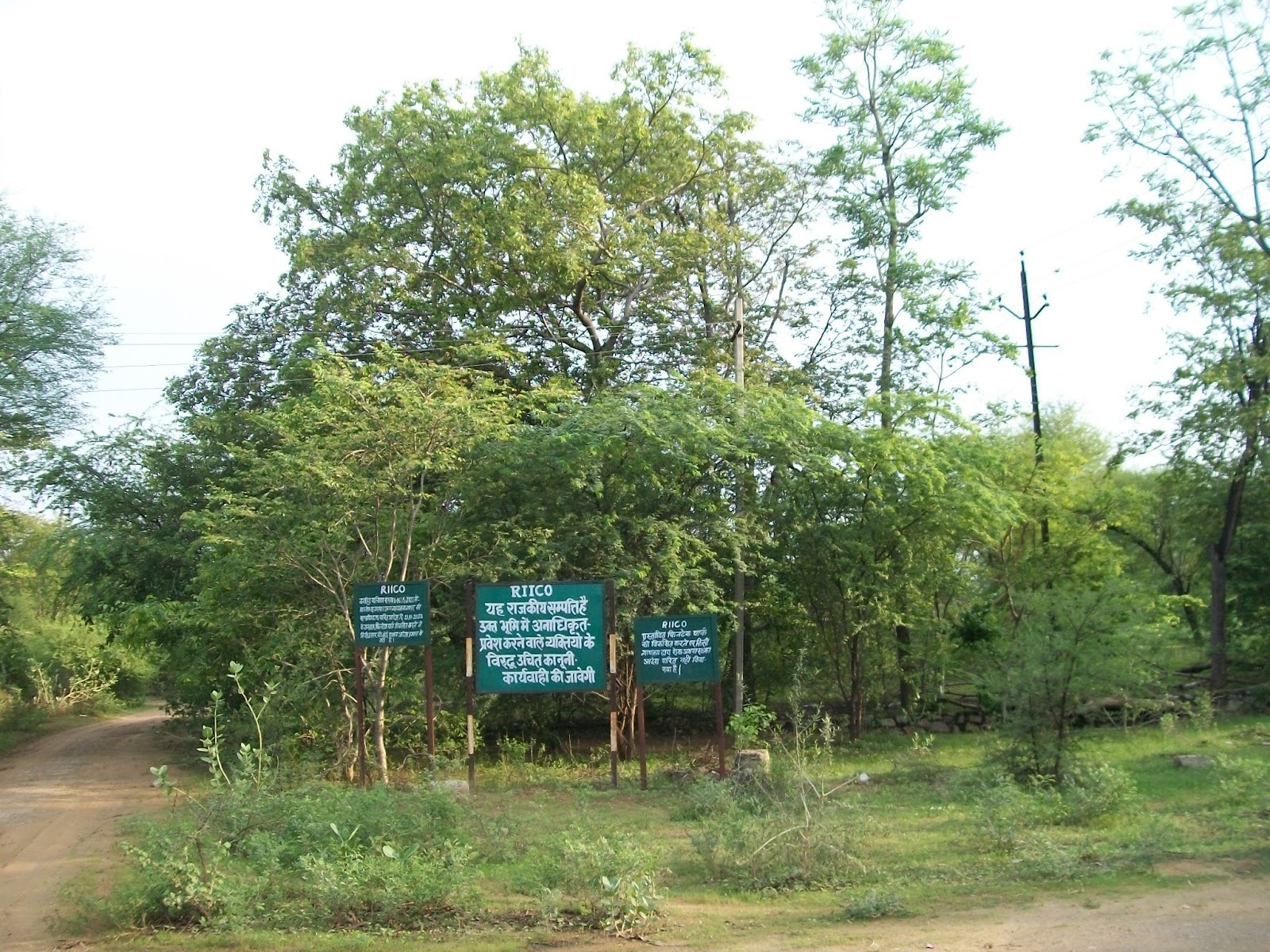
The state, though, claimed in court that no trees had been felled at the project site adding that 56 trees were translocated and 10 times that number had already been planted as compensatory afforestation.
The effort to save Dol Ka Badh is mirrored in numerous efforts in India’s crowded, chaotic cities, where citizens are now largely the last bulwark against government moves to erase the last stands of nature.
This accelerating threat to urban trees comes even as India has repeatedly been shown as one of the countries most vulnerable to global climate-change risks (here, here and here). Within these overall perils, there are specific threats to urban India.
On a high carbon pathway, which India is on currently, climate science models show that temperatures in the country could exceed 1.8 deg C, according to a G20 Risk Atlas, released by the Fondazione Centro Euro-Mediterraneo sui Cambiamenti Climatici, a global nonprofit and think tank.
The Atlas, compiled by scientists, economists and technicians, said cities in India faced “many threats from climate change”.
Congress Vs BJP
Despite its ecological value, the Dol Ka Badh land belongs to the Rajasthan State Industrial Development and Investment Corporation (RIICO). Classified as “industrial land,” RIICO holds the legal right to repurpose it.
Attempts to raze the forest are not new.
In 2021, a Congress government had similar plans to clear Dol Ka Badh for a fintech park. That announcement sparked a citizens’ coalition, alternate proposals, and public protests. Though the Congress plan was rolled back, the new BJP government simply relaunched development under a new veneer.
In October 2025, the Supreme Court dismissed a plea seeking to halt the construction, ruling that the land in question was not forest land.
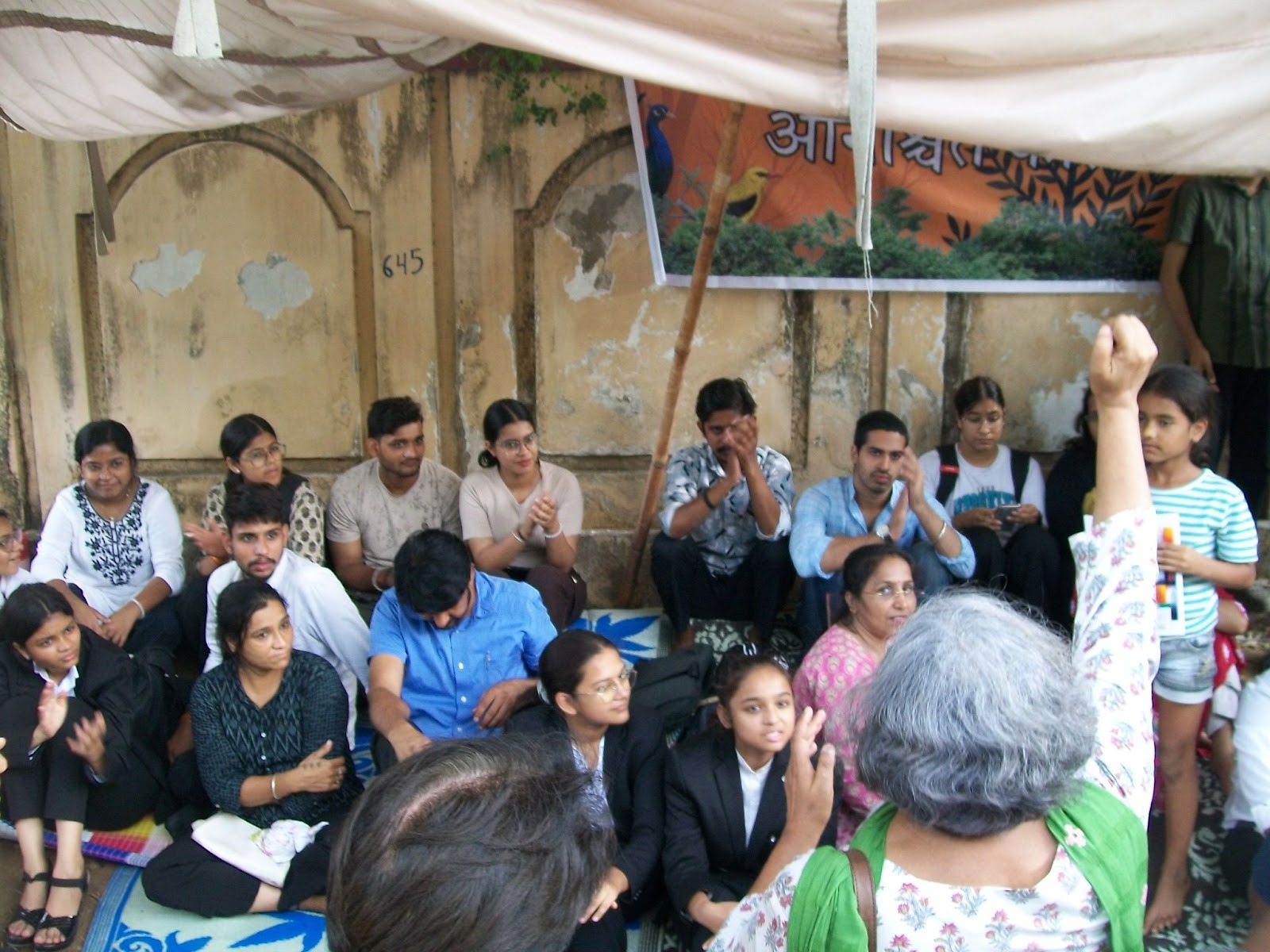
With the SC’s refusal to hear their petition, the Save Dol Ka Badh working group has returned to the streets, vowing to continue their struggle.
Activist Kavita Srivastava, president of the People’s Union of Civil Liberties (PUCL), a human rights organisation, said, "The working committee is going for a three-fold strategy now—constant educational work and having a proximity with nature, second, rethinking a legal strategy, and third, people's mobilisation and networking with others."
Urban India’s War On Trees
Urban forests like Dol Ka Badh are important, said experts, because India is one of the world’s hotspots of urbanisation.
In 2018 only 34% of the population of the country was urban. But projections in the World Urbanization Prospects indicate that by 2050, India will add 416 million to its urban population—doubling the urban population of the country in 32 years.
Touted as engines of growth, cities are said to be critical for a country like India, as they contribute 60% of the country’s gross domestic product. But across India’s cities and towns, the development-versus-environment conflict is regularly visible in urban infrastructure projects that lead to the felling of trees.
"City forests moderate temperatures, by both shading and evapotranspiration," Soumya Dutta, a scientist and trustee of the Movement for Advancing Understanding of Sustainability And Mutuality. "Another service they provide is storing rainwater underground and this can prove critical in dry areas, particularly in the summer months."
"City forests also provide some moderating effects on air and noise pollution, improving living conditions," he added.
Trees in cities are usually the first victims of urban infrastructure projects: road widening, flyovers, or metro lines. Trees that have taken decades to grow are chopped down overnight often without any impact assessment or opportunity for the public to express their concerns (here, here. here and here).
Every winter, the capital city of New Delhi gasps because of high levels of air pollution, as it is again in 2025. Once known as the Garden City, Bengaluru has recently witnessed erratic weather patterns that include sudden downpours and searing temperatures.
Data, Protest & Public Education
The Dol Ka Badh movement has, for four years, brought together citizens through social media campaigns, documentation projects, right-to-information (RTI) applications, sit-ins, and court petitions.
The first steps, led by Komal Srivastava of the Bharat Gyan Vigyan Samiti, were scientific: cataloguing rare and near-threatened birds and mammals, and leading open walks that drew students and the public.
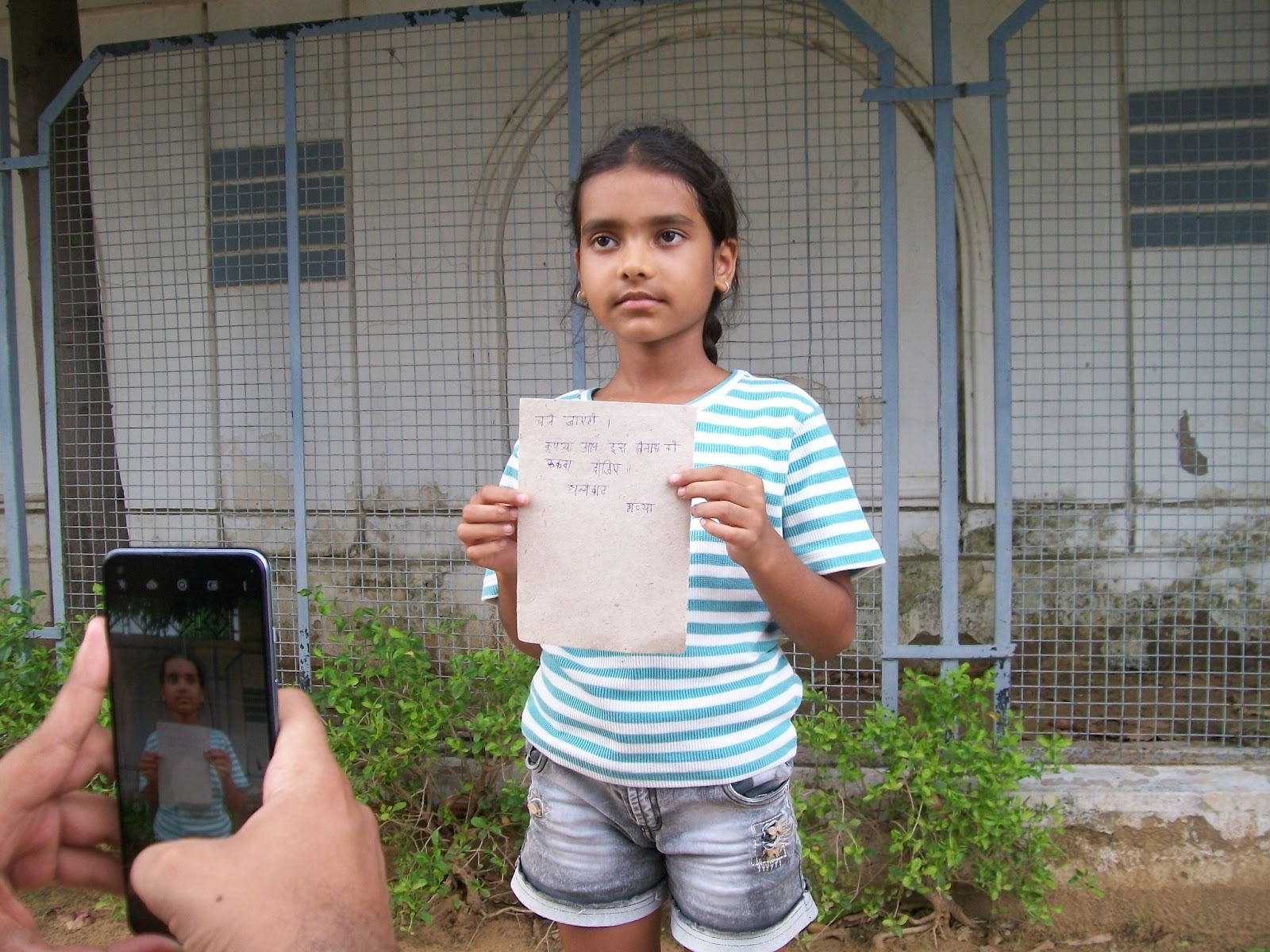
Priyanshi, a first-year law student and protester, said, “Protests are often seen as aggressive. But this is non-violent dissent, grounded in rights and rigorous documentation. We took our case to the government, lawyers, and the broader public.”
The campaign even included children. Savi and Bhavya—aged 7 and 13—set out on a 300-km cycling yatra from Jaipur to New Delhi to petition the Prime Minister directly.
“We wanted to show that this is a forest that matters to everyone, including children,” said Savi.
Govt Support—And Then Silence
Despite large-scale citizen action, protesters allege the forest department has abdicated its responsibility, citing the area’s legal status.
“The head of the forest department said this isn’t forest land, so it doesn’t concern him,” said Goyal. “But there are protected species like the Nilgai here. If one is harmed, who’s responsible?”
Article 14 has reached out to Rajasthan’s principal chief conservator of forests (PCCF), the additional PCCF, and senior forest officials for comment; there was no response at the time of publication. We will update this story if they respond.
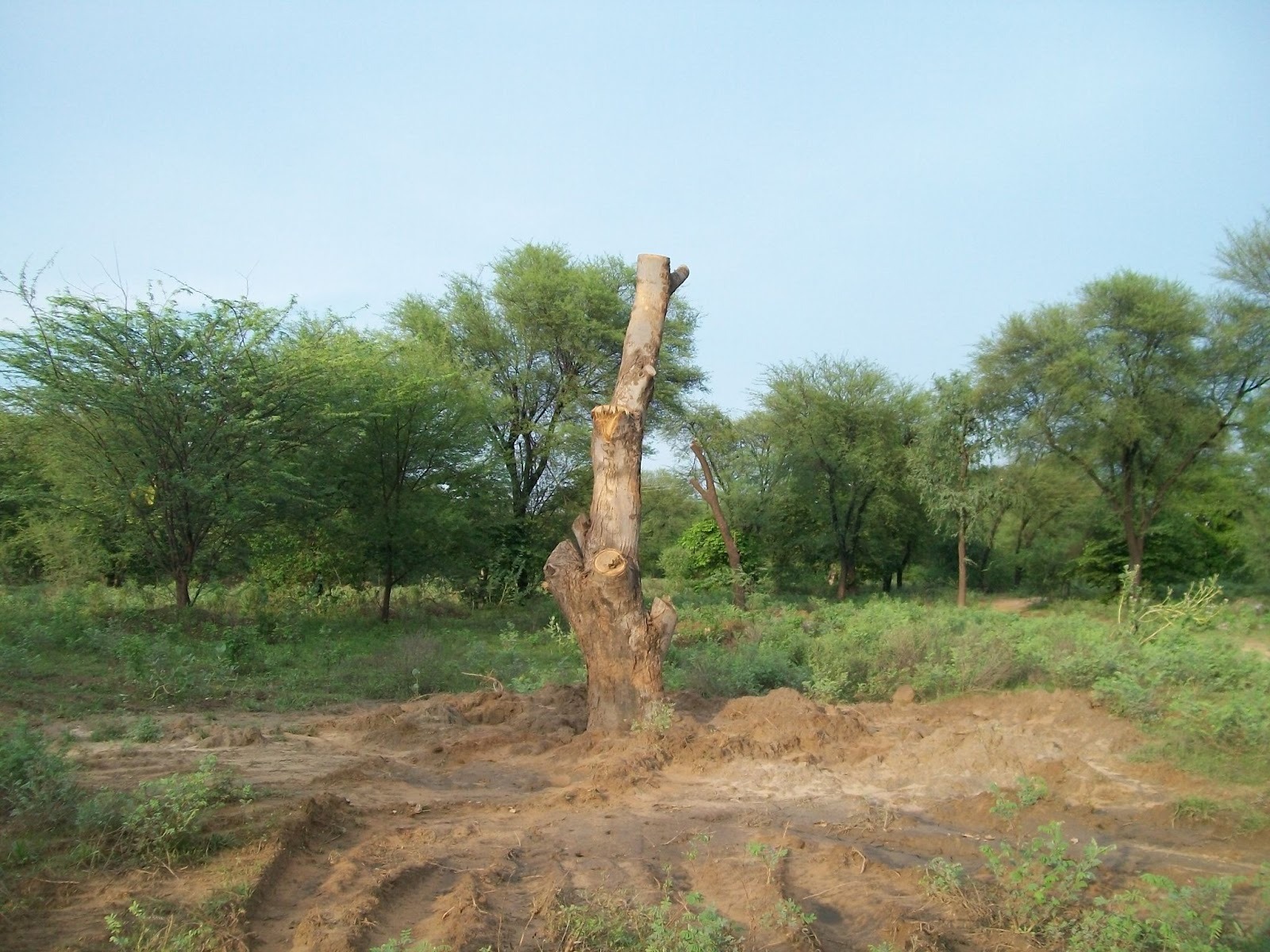
Using geo-tagging, coding, and Google Maps, the team mapped 2,400+ trees at risk. RIICO, however, states there are only 56 trees in the Unity Mall area and 745 across Dol Ka Badh.
Article 14 has also sought comment from RIICO on this data discrepancy; We will update this story if they respond.
Some politicians have proclaimed support, but the government’s actions have not been supportive.
When current industries minister Rajyavardhan Singh Rathore asked the team for an alternative economic proposal in May 2025, the group responded with a plan for a biodiversity park with climate-justice initiatives, eco-cafes, and sustainable revenue streams, according to Komal Srivastava, Ranka, and Goyal, all of whom attended the meeting with Rathore.
Deputy chief minister (CM) Diya Kumari supported the movement in 2023 while she was still an opposition MP. In 2025, she refused to answer questions about the urban forest from a protestor.
Article 14 sought comment from her via email on 13 August and 19 November, 2025. There was no reply. We will update the story if we receive one.
The citizens’ group has found no support from the government or any ministers since.
Article 14 sought comments from chief minister Bhajanlal Sharma, deputy CM Kumari, and minister Rathore. There was no reply at the time of publication.
Redefining 'Forest' As A Constitutional Battle
Srivastava, of the PUCL, sees Dol Ka Badh as a test of constitutional protections—and their erosion by new legal reinterpretations.
“The legal definition of a forest now only includes officially notified land,” she said, referencing the reversal of the Supreme Court’s 1996 Godavarman judgment. “But people know and cherish what is a forest. That’s the definition we’re fighting for.”
The Supreme Court’s Godavarman judgment of 1996 (T.N. Godavarman Thirumulpad vs Union of India) began as a case on illegal logging in Tamil Nadu but evolved into a nationwide overhaul of forest governance.
The Court redefined “forest” to include all land with forest-like characteristics, regardless of ownership, and restricted felling without central approval. Its continuing orders centralised control with the environment ministry and monitoring committees, curbing deforestation but weakening state and local authority over forests.
Over time, the Godavarman orders effectively shifted forest management from states to the judiciary and executive, making it one of India’s most influential environmental interventions—praised for halting deforestation but criticised for bypassing democratic and local control.
Intimidation, Illegal Detentions
Since April 2024, authorities in Jaipur have escalated their response against those battling to save Dol Ka Badh.
“In April, four of our members were picked up by police,” said Goyal. “No arrests were recorded, their phones were seized, and they were denied access to families or lawyers.”
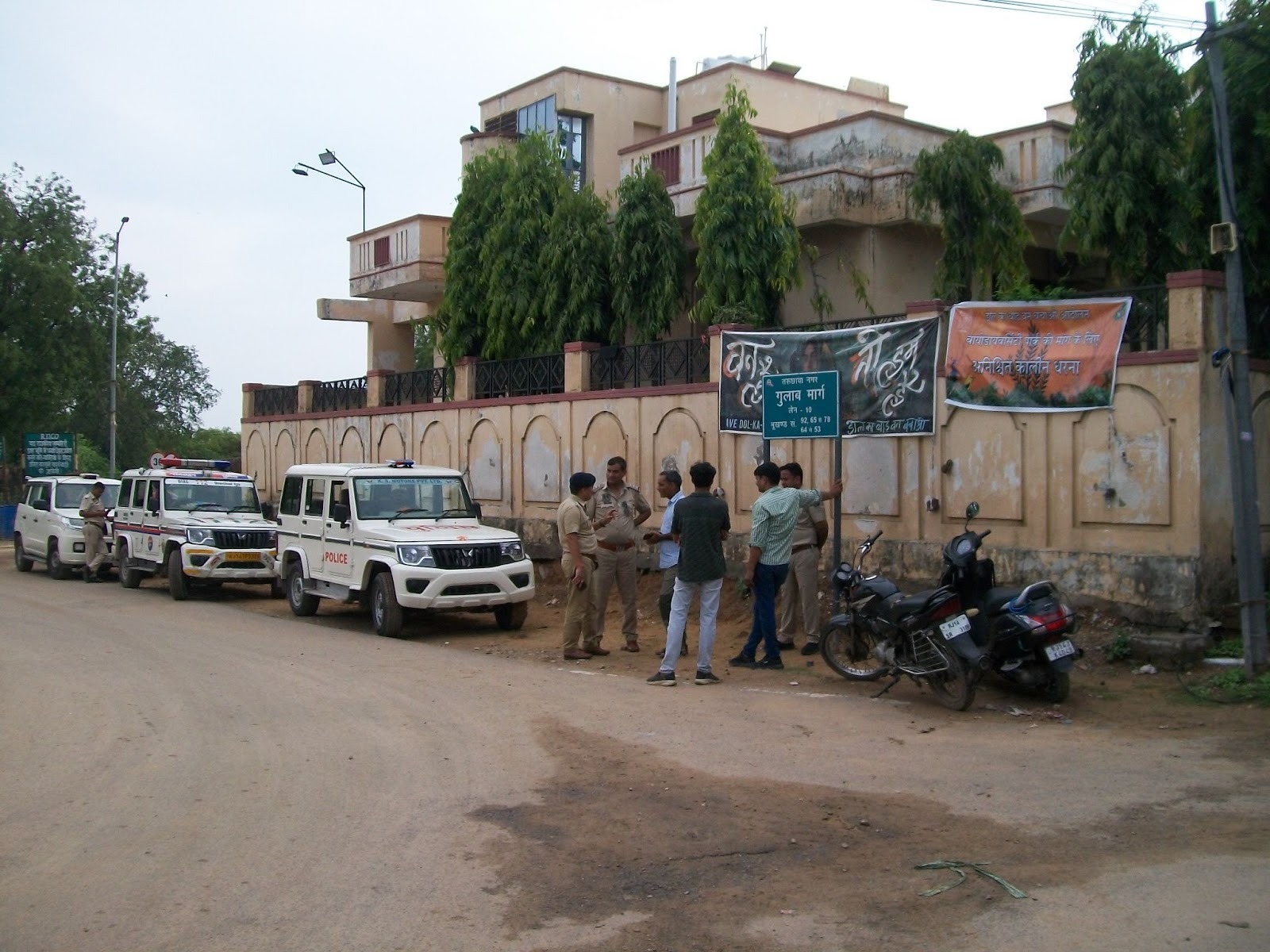
In June 2025, police deployed 500 personnel, restricting entry and detaining over 50 people, including tribal leaders.
Article 14 sought comment on the crackdown from the superintendent of police (Sanganer Sadar), deputy commission of police (West Jaipur), and collector Jitendra Soni. They did not respond.
Surveillance has been routine. Goyal described police noting car numbers of those who even conversed near the protest site, calling it “routine procedure”—but noting it felt more like intimidation.
When official engagement failed, activists resorted to hunger strikes. Over 20 RTIs have been filed—none have been answered.
A Shared Playbook of Repression
The crackdown on Dol Ka Badh protestors is part of a broader national pattern.
Environmental protests in Mysuru, Thane, Dehradun, Guwahati, as well as Mumbai, Hyderabad, and New Delhi, have all faced police attention, night-time tree felling, and official silence.
In Delhi, Naveen Solanki, who leads the Save Dwarka Forest Movement, has all but given up seeking help from authorities.
“No action was taken on any complaints,” said Solanki. “The local police, we believe, are in collusion with violators. I was attacked for stopping illegal activities, and the police threatened and tried to implicate me.”
Mumbai’s Aarey protests and the fight against the Coastal Road Project followed a similar script.
Avlokita Shah, a Mumbai marketing professional and activist, recounted ubiquitous tactics.
“Section 144 (of the Code of Criminal Procedure, forbidding gatherings of four or more people) is imposed to preempt protests, and if that fails, protesters are detained,” she said. “Changes to the Forest Rights Act have left many tribal claims unresolved, putting settlements at eviction risk.”
About 27 Aarey settlements face eviction due to documentation gaps, a process already underway despite legal protections.
The Supreme Court strictly oversees all tree-felling in Aarey, but Shah pointed out governance gaps. “Without elected BMC representatives, “key environmental bodies are powerless,” she said.
In Hyderabad, the clearing of Kancha Gachibowli—a 400-acre forest patch—drew sharp public backlash and eventually Supreme Court scrutiny.
Akash Kumar, student leader at Hyderabad Central University, reflected on why these protests catch authorities off-guard: “The government did not expect so much sustained resistance. Mobilisation by students and communities was key.”
Kumar’s advice to young people: “Dissent is a moral obligation—learning how to question, and practicing it, is where real change starts.”
Trees Felled, Protestors Harassed
On 22 June, during a major push to clear parts of the forest for construction, Jaipur police reportedly detained teenage protesters and dropped them kilometers away.
That day, according to Srivastava, RIICO felled the last remaining trees in the zone and monetised them—selling chopped trunks at a local chungi (checkpoint).
Ashutosh Ranka, another core member, said the construction is not just an ecological disaster, but an economic one.
“Who will visit a mall isolated in a residential area?” said Ranka. “The project is pure greed, worsening climate issues for Jaipur.”
Ranka pointed to government inaction on rising pollution, the urban heat island effect, and other climate threats.
“There is no vision—just greed,” he said.
Ecological & Civic Losses
For Harini Nagendra, PhD, professor and climate change expert at the Azim Premji University, losing Dol Ka Badh is losing more than trees: it’s forfeiting civic soul and livability.
“Without trees, Indian cities can be 7–10 degrees hotter,” said Nagendra. “For the urban poor, that leap from bearable to unbearable life is devastating.”
Trees are more than carbon sinks—they’re central to water recharge, air purification, and social bonds, studies have shown (here, here and here).
In January 2024, Nagendra and a colleague Seema Mundoli, wrote in Article 14 how tens of thousands of trees in Indian cities have fallen victim to urban development projects, sending temperatures soaring, worsening air quality and destroying heritage and biodiversity.
Across the country citizens are using science, data and harnessing the power of collective action to protest and point out that development and protecting trees can go hand in hand. Sometimes they are victorious, often they are not, but every battle contributes to understanding the benefits of trees and the need to protect them as global warming accelerates.
“Urban commons nurture emotional and spiritual ties,” Nagendra said. “Losing them severs communities.”
She sees hope in the rise of such movements: cross-sectioned by youth, scientists, and citizens who refuse to accept this environmental erasure as inevitable. In their struggles, Nagendra identifies a vital act of civic education.
Back in Jaipur, the group continues its work by documenting the arrival of migratory birds and finding new allies for the movement. They are of the opinion that Dol Ka Badh has survived decades of political indifference, and may survive this moment too.
Kavita Srivastava said: “We will keep fighting till our last breath, because resisting injustice is part of human nature.”
(Siddhant Vashistha is an independent journalist covering climate, human rights, technology, health, and culture.)