
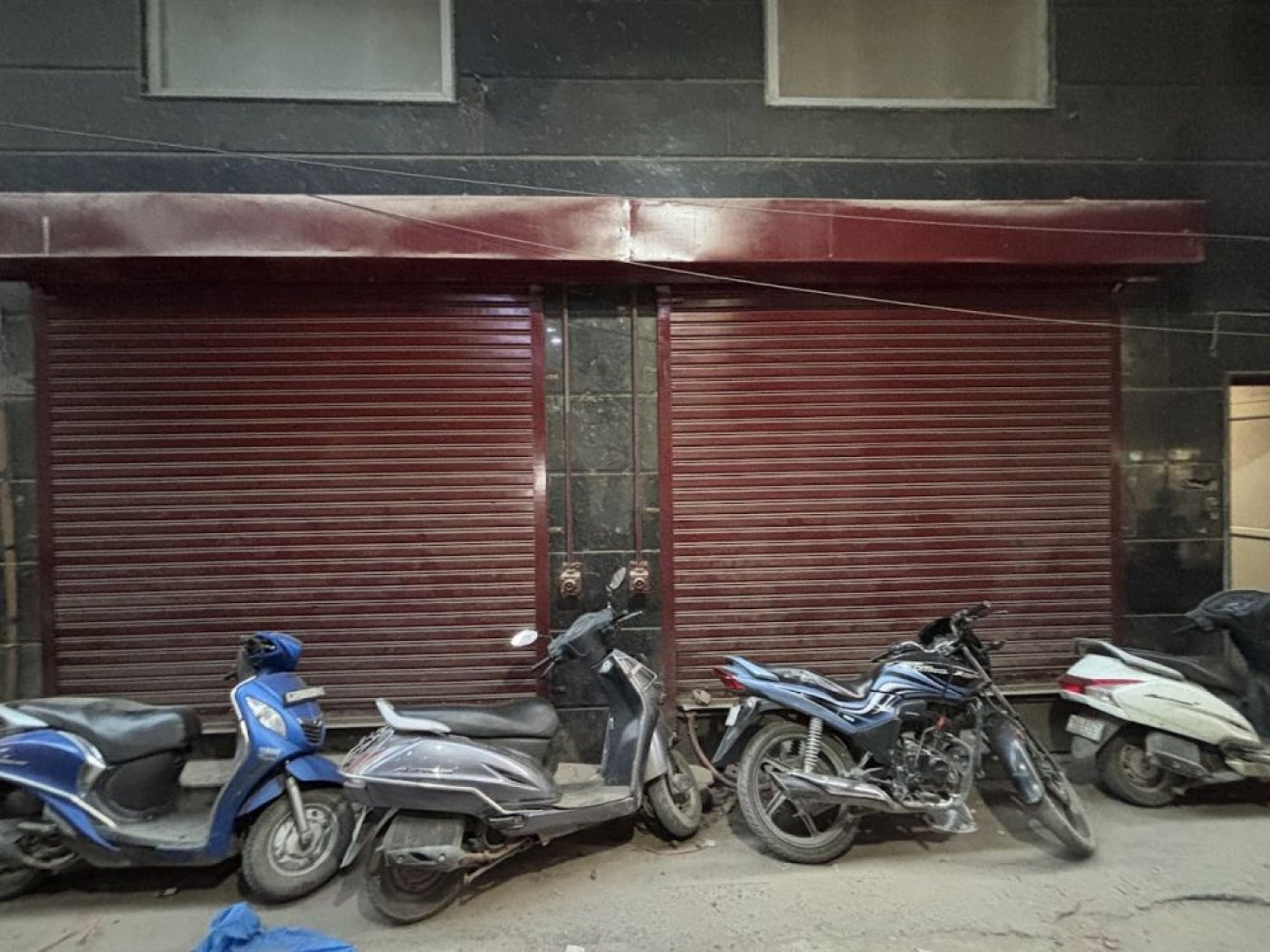
Delhi: Speaking softly, Qasim Khan, 65, recalled how he came to Delhi from Uttar Pradesh in the 1980s in search of work. For years, he worked as a tailor. In 1997, he moved to the teeming, residential-cum-industrial area of Khayala in west Delhi and set up a small jeans manufacturing unit.
He has run it ever since in what was once a village that merged into the city, living amid the urban chaos, rutted roads and physical discomfort.
When he first arrived, said Qasim Khan, Khayala Market had barely a dozen shops. Over time, migrants—mostly Muslims from nearby districts in impoverished Uttar Pradesh—began settling in the area and opening denim units.
What started as a quiet corner of West Delhi gradually grew into a bustling manufacturing hub.
Today, Khayala—widely known as the Jeans Market—has nearly 3,000 dealers who manufacture, supply and sell denim products across India and even to Sri Lanka. Manufacturers source denim fabric from Gujarat and convert it into finished jeans in Khayala’s workshops.
Qasim Khan said the market’s foundations were laid by Muslim migrants who arrived early and built the initial units. Their early entry helped shape the ecosystem, and throughout the early 2000s, the market expanded rapidly, becoming one of the country’s largest clusters of jeans manufacturing. In 2021 the ministry of urban development recognised Khyala as an industrial area needing redevelopment.
Although Muslims remain the dominant presence because they built the trade here first, Hindu and Sikh entrepreneurs also operate units in the market.
For Qasim Khan, business ran smoothly for decades—until the 2024 Delhi elections. That was when Khayala became a political talking point for Manjinder Singh Sirsa, a member of India’s ruling Bharatiya Janata Party (BJP).
‘Jeans Jihad’
In June 2025, sections of the Hindi media referred to the case as one of “jeans jihad”.
On 7 July, in a podcast with the news agency ANI, Sirsa, in response to a question on Rohingyas and Bangladeshis, said, "They need to be identified and thrown out. If you come to my area, I have driven out; however, many of them were working in jeans factories."
"They open meat shops and chase you out of your homes," he added. "Should we let people like this stay? Definitely not."
“The remarks came as a shock to us,” said Qasim Khan. “We have been here for decades, peacefully running small businesses, and everyone has coexisted happily.”
While Muslims are a majority, “there are also Hindus and Sikhs who own jeans manufacturing units, and we have always lived and worked in harmony”, said Khan.
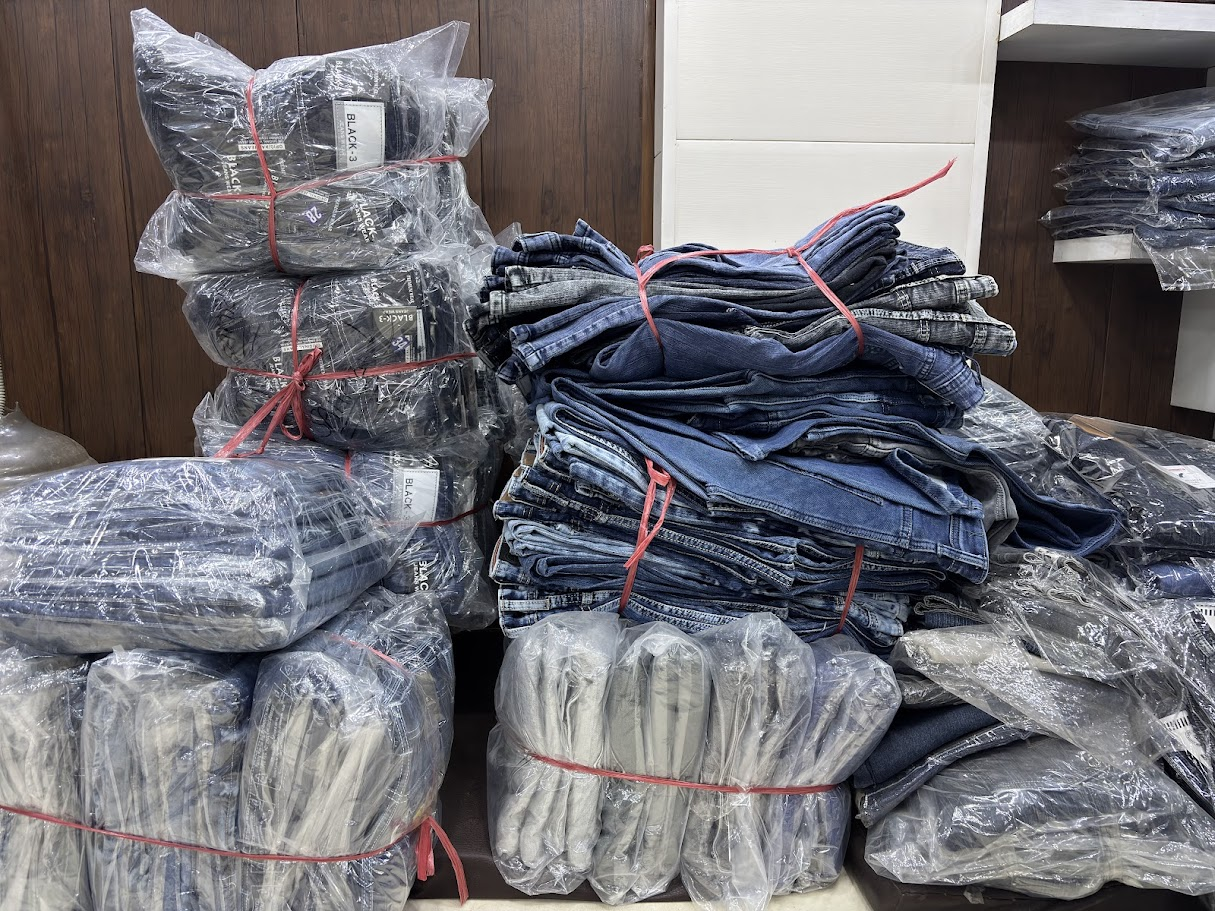
Qasim Khan said, “These are the last few jeans left with me now, around 80 pieces. When business was good, this much stock would be kept on display to show customers the quality of our jeans, but now even this is up for sale. I have sold almost all my stock, and we are not manufacturing any more at the moment.”
The Delhi election results were announced on 8 February, giving the BJP a majority. Sirsa won the Rajouri Garden seat, which includes Khayala market. He is now the minister for environment, forests, and wildlife in the Delhi government.
Soon after the government was formed in February 2025, officials shut factories in June that year, alleging they were operating illegally. Around the same time, sections of the Hindi media amplified the jeans-jihad propaganda (here and here).
A Hindi news channel, Sudarshan News, reported: “Delhi ke khayala me jeans jihad dekhne ko mila, bataya jaa raha hai ki Khayala mai mass aur haddiya galion mein fehki jaa rahi hai, Isthaniya log abb apna ghar chodne par majboor ho gaye hai. Sikho ke pilayal ka dard iss silent jihad ki ek aur tasweer ban chuka hai (A ‘jeans jihad’ has been witnessed in Delhi’s Khayala. It is being claimed that meat and bones are being thrown in the lanes of Khayala. Local residents are now being forced to leave their homes. The pain of the Sikhs of Khayala has become yet another image of this silent jihad)”
Qasim Khan’s jeans business is currently at a standstill, with almost all of his existing denim stock already sold and no new manufacturing taking place due to a shortage of labourers. He plans to restart production in the coming months. He said he was in touch with a few workers, who assured him they would return soon.
Basit Khan, 40, another small business owner, said he moved to Delhi in 2005 and has worked in the denim trade since then. At its peak, he sold 8,000–10,000 pairs of jeans a month.
After the administrative raids and Sirsa’s remarks, he said, his business collapsed, and his factory was sealed.
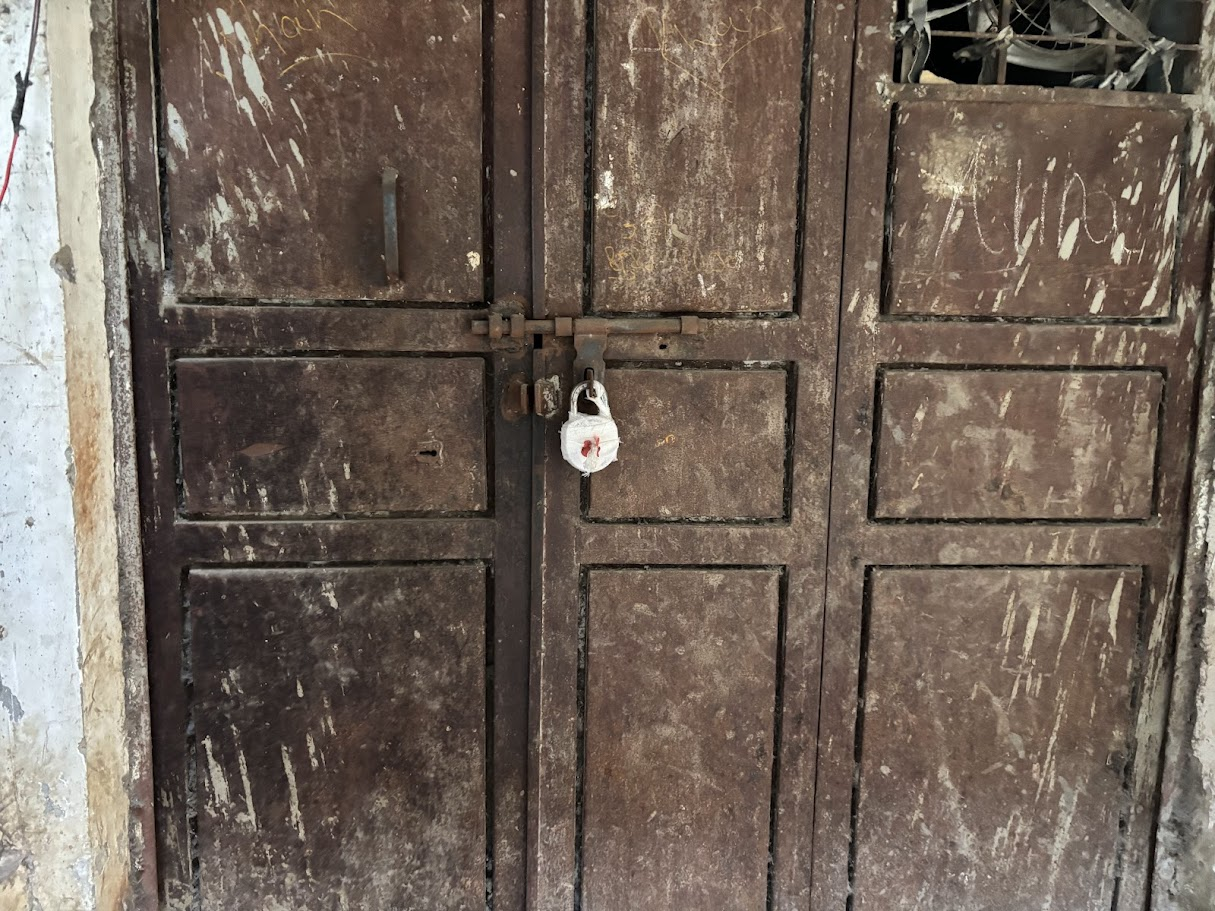
Basit Khan recalled that in one interview, Sirsa said he would “make these people understand in a Punjabi way,” which he described as rude and intimidating.
“It has created an atmosphere of fear, and customers rarely come here anymore,” said Basit Khan. “Sales have dropped sharply.”
According to Basit Khan, his monthly earnings, which once ranged between Rs 70,000 and Rs 90,000, have now plummeted to barely Rs 10,000.
The impact extends beyond factory owners, he said, affecting the poorest labourers who stitch jeans and fix buttons, earning up to Rs 1500 per day, now down to Rs 250.
“This kind of communal environment did not exist earlier,” said Basit Khan. “All my 20 workers were non-Muslims, yet even they were scared and returned to their villages. When I call them, they say Sirsa has ruined our lives.”
A former worker of the denim manufacturing unit who has moved back to his village in Amroha district, Uttar Pradesh, currently an agricultural labourer, said, on condition of anonymity, “I will not return there now. Khayala Market is no longer the same. We used to earn Rs 1,500 a day, live decently, and send half the money back home. Now, those few who are still working there barely make Rs 250-300 a day. Life cannot go on with such meagre earnings.”
‘Bangladeshis, Rohingyas’
On 7 July, Sirsa said in a podcast with the news agency ANI that Bangladeshi and Rohingya immigrants were “very dangerous” to the country and claimed his government was actively tracking them.
“Rohingyas were even granted licences to run jeans factories, but they are extremely dangerous people who can do anything, they can rape, they can kill,” said Sirsa. “And once such an incident happens, you will not even be able to identify them because they have no valid identity proof.”
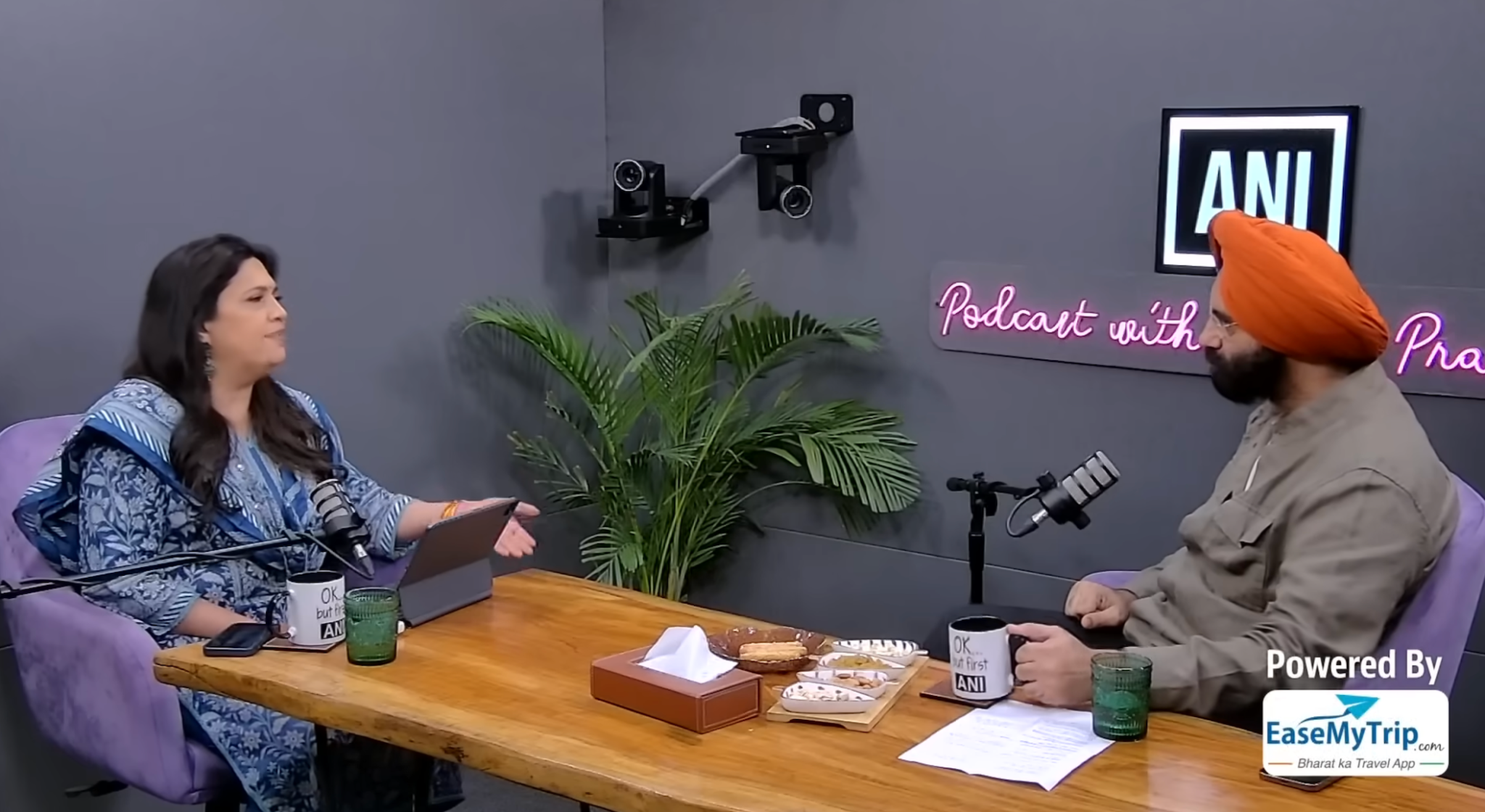
Sirsa also alleged he had personally sent back several workers, alleged to be Bangladeshis and Rohingyas, working in jeans factories in his area. “You can come and see for yourself,” said Sirsa. “I have shut their factories and chased them away.”
The remarks, made without evidence, directly targeted the busy manufacturing hub.
This was not the first time Sirsa had made such claims. On social media, he has repeatedly alleged that Rohingyas work in the market and that Hindu and Sikh women feel unsafe in the area.
In one of his Instagram posts, Sirsa said: “These people have troubled our women; they are now afraid to step outside. I promise I will shut them down.”
Basit Khan rejected the claims.
“There is no Bangladeshi or Rohingya here,” he said. “The workers come from neighbouring states like Uttar Pradesh and Bihar. This is only meant to create communal hysteria and destroy our businesses.”
We sought comment from Manjinder Singh Sirsa by phone and email, but did not receive a response. We will update this story if there is.
In July 2025 Sirsa told Scroll that he had nothing to do with the “jeans jihad” theory.
The same month, the global advocacy group Human Rights Watch criticised Indian authorities for unlawfully expelling ethnic Bengali Muslims to Bangladesh without due process, branding them illegal immigrants.
“The Indian government should ensure access to fundamental procedural safeguards for anyone subject to expulsion and should ensure that security forces and border guards do not use excessive force,” said Human Rights Watch,
Aga Rahullah Mehdi, a member of Parliament from Srinagar, said the targeting of Khayala was not an isolated incident but reflected a wider pattern under the current Hindutva regime.
He said Muslim markets and commercial hubs had long been singled out as part of a broader ideological project aimed at “isolating Muslims, disempowering them, and weakening them financially”.
Mehdi said it was “painful to see a thriving commercial hub in the heart of the country being targeted simply because Muslims are doing business”.
Pushing Muslims To The Margins
Activists and analysts say the targeting of Khayala fits into a wider pattern. Calls by right-wing groups for the economic boycott of Muslims have risen sharply in recent years, with incidents reported across several states, as Article 14 reported in 2022, noting in 2026 how it was morphing into an apartheid-like situation in some states.
Aasif Mujtaba, an activist working on education and economic upliftment among riot-affected Muslims in Delhi, said such actions further marginalise minority communities.
“Whether it is riots, the targeting of commercial hubs like Khayala, or economic boycotts, the goal is the same—to exclude Muslims from upliftment and push them further to the margins,” he said.
Mujtaba said the impact falls hardest on the poorest sections of the community, who have the least capacity to absorb repeated economic shocks.
A 2023 Hindustan Times analysis of unit-level data from the All India Debt and Investment Survey (AIDIS) and the Periodic Labour Force Survey (PLFS) found Muslims to be the poorest religious group in India, with the lowest asset and consumption levels among major communities.
Thousands Of Jobs Lost
Business owners say that after the controversy, many workers who stitched zippers or fixed buttons—mostly migrants from poor backgrounds—left Khayala and returned to their villages.
The market once employed more than 20,000 workers, Basit Khan estimated. Sirsa’s remarks, he said, had a devastating effect.
Narender Kumar, one of the few labourers still working there, attaches buttons to jeans.
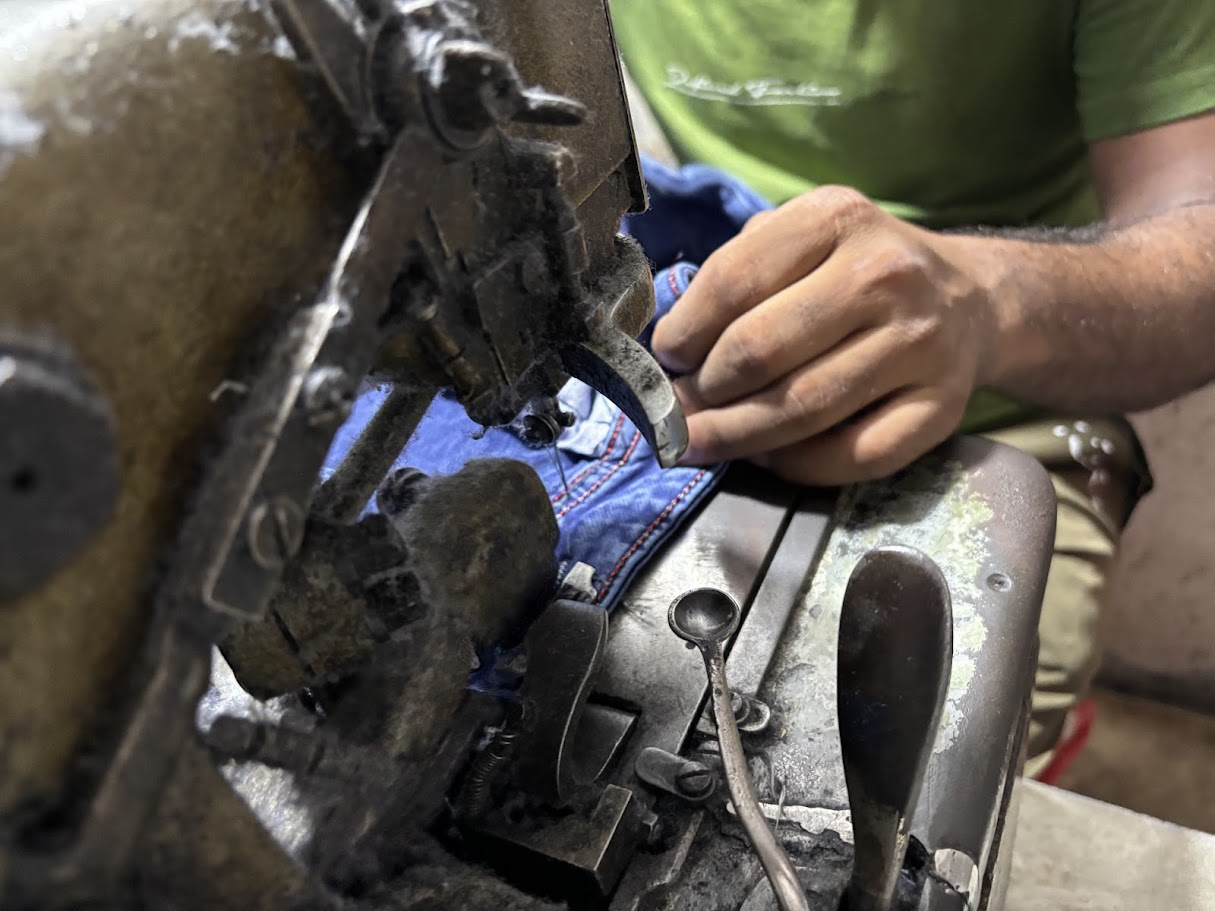
“Earlier, the work was steady and plentiful,” he said. “I earned a decent daily income, saved some money, and sent the rest home. But after the controversy sparked by Sirsa, our lives have been destroyed.”
Narender Kumar, who has been in Khayala for three years, said he now plans to return to his village to work as a farm labourer.
“The BJP has ruined us,” he said. “They call it ‘jeans jihad,’ but I don’t understand how working hard to earn a livelihood can be called jihad. It’s ridiculous.”
Beyond garment workers, the market sustained tea stalls, dhabas and small grocery shops. But residents say many of these businesses have shut down as footfall has fallen sharply.
Rohit Kumar, 45, who has run a tea stall in Khayala for nearly 15 years, said his sales had collapsed.
“Earlier, I never had the time to sit idle because there was so much work,” said Rohit Kumar, known to everyone as Bunty. “Now there’s hardly any business.”
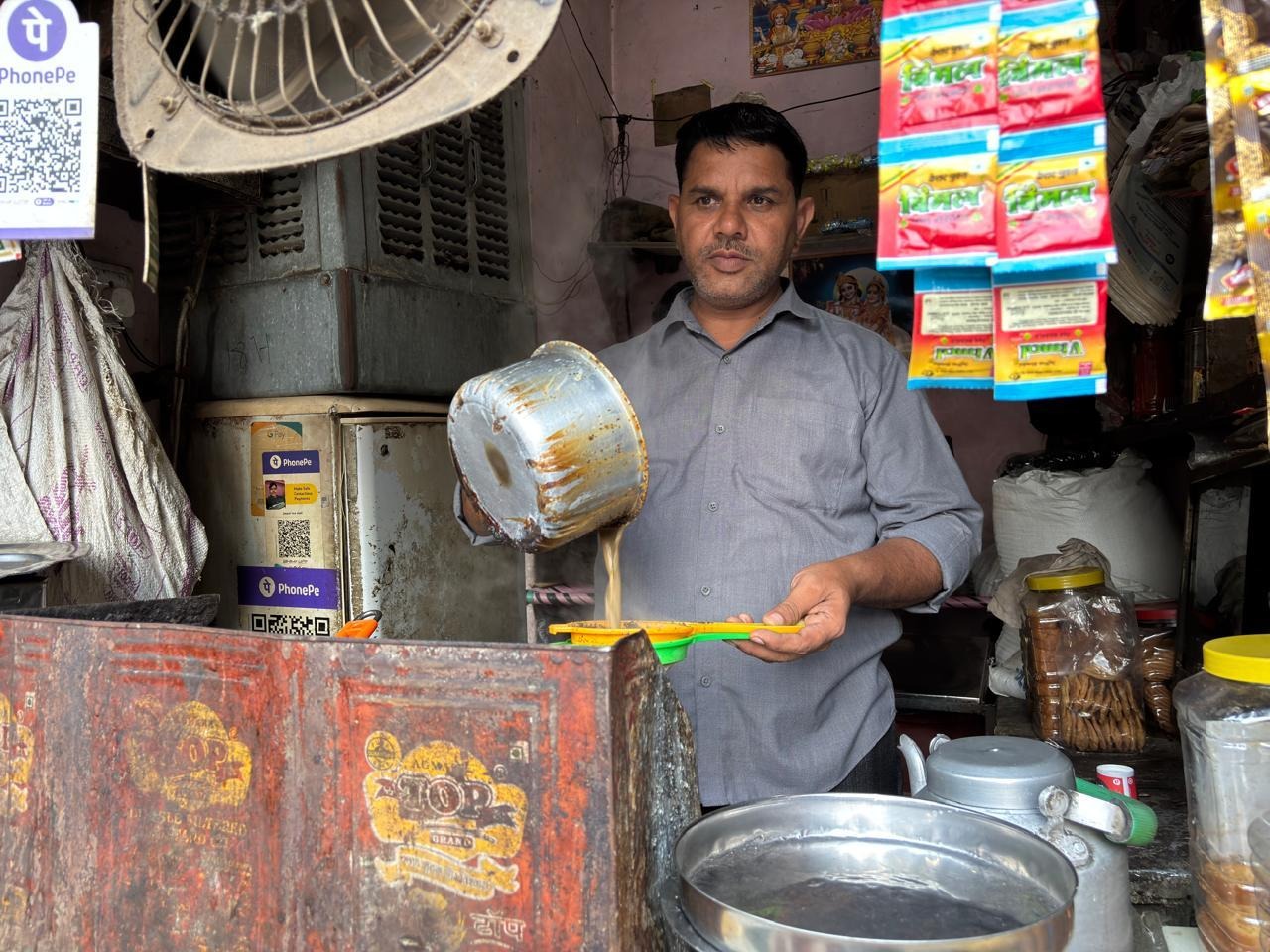
He said the market once functioned like a close-knit community without religious divisions. Most of his customers were Muslim workers, and he was well known for his tea.
The minister’s actions, Rohit Kumar said, had “destroyed the social fabric” of the area.
Several shopkeepers running kirana stores, tea stalls, and dhabas have already shut down businesses and returned to their native places due to declining sales, he said.
Similar Patterns
The developments in Khayala mirror similar pressures on Muslim traders across the country.
In 2022, Hindu right-wing activists in Karnataka launched an online campaign to “reclaim” the mango wholesale trade dominated by Muslim businessmen, urging Hindus to buy fruits only from Hindu vendors and boycott Muslim traders.
In 2023, after communal violence in Haryana’s Nuh district, several village panchayats and local bodies reportedly barred Muslim traders, while a rally in Navi Mumbai called for an economic boycott of Muslims.
In 2024, a Gujarat court ordered a police investigation after Hindu villagers allegedly forced Muslim shopkeepers to vacate their premises and announced a boycott of Muslim-owned businesses in Balisana village in Patan district.
In 2025, in September, in Maharashtra’s Ahilyanagar district—about 270 km from Mumbai—the village of Guha also saw calls for a social and economic boycott of Muslims after a dispute over a syncretic place of worship.
Tensions escalated after a member of the legislative assembly, Sangram Jagtap of the secular Nationalist Congress Party (Ajit Pawar faction), urged residents to buy only from Hindu shopkeepers.
Since then, Muslim villagers said they had lost livelihoods, shops had shut, and social relations had fractured in a community that once lived in relative harmony.
The next month, ahead of Diwali in October, right-wing Hindu influencers on X, including verified users with large followings, urged Hindus nationwide to boycott Muslim sellers.
The same month, in a historic called Sitla Mata in the Madhya Pradesh city of Indore, a month-long sustained by Hindu shop owners and Muslim workers, everyday coexistence began to fray when BJP leader Aklavya Gaur issued an ultimatum asking Muslims to leave by 25 October, The Indian Express reported.
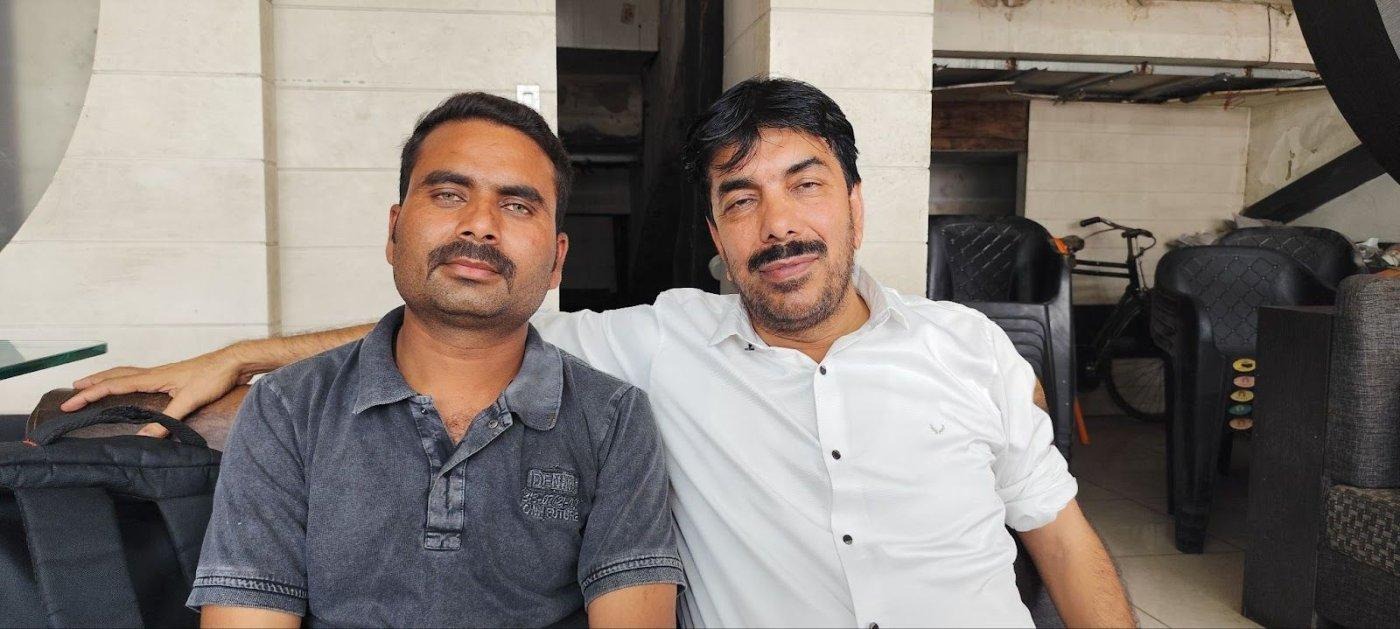
Yet, there was at least one story of hope.
Article 14 reported how police allowed impunity to Hindu extremists, showing how pervasive and unchecked Islamophobia in the BJP-ruled state had reached apartheid-like levels.
Yet, even after being forcibly evicted and amid growing hostility toward any kind of interfaith ties, a Hindu and a Muslim business duo chose to remain partners and continue their venture together.
“Muslims here were like family to us,” said a Hindu shop-owner, adding that since the controversy erupted, sales had fallen sharply and several Muslim traders had left the market.
“Are they not equal citizens?” he asked.
Back in Khayala, tea seller Rohit Kumar said he, too, was considering shutting shop.
“Seeing this once-bustling market in ruins is painful,” he said, hoping that “the old Khayala returns someday”.
(Correction: A previous version of this story attributed the term “jeans jihad” to Manjinder Singh Sirsa. Sirsa told Scroll he had nothing to do with the “jeans jihad” theory. We regret the error.)
(Aatif Ammad is a Delhi-based freelance journalist.)
Get exclusive access to new databases, expert analyses, weekly newsletters, book excerpts and new ideas on democracy, law and society in India. Subscribe to Article 14.