
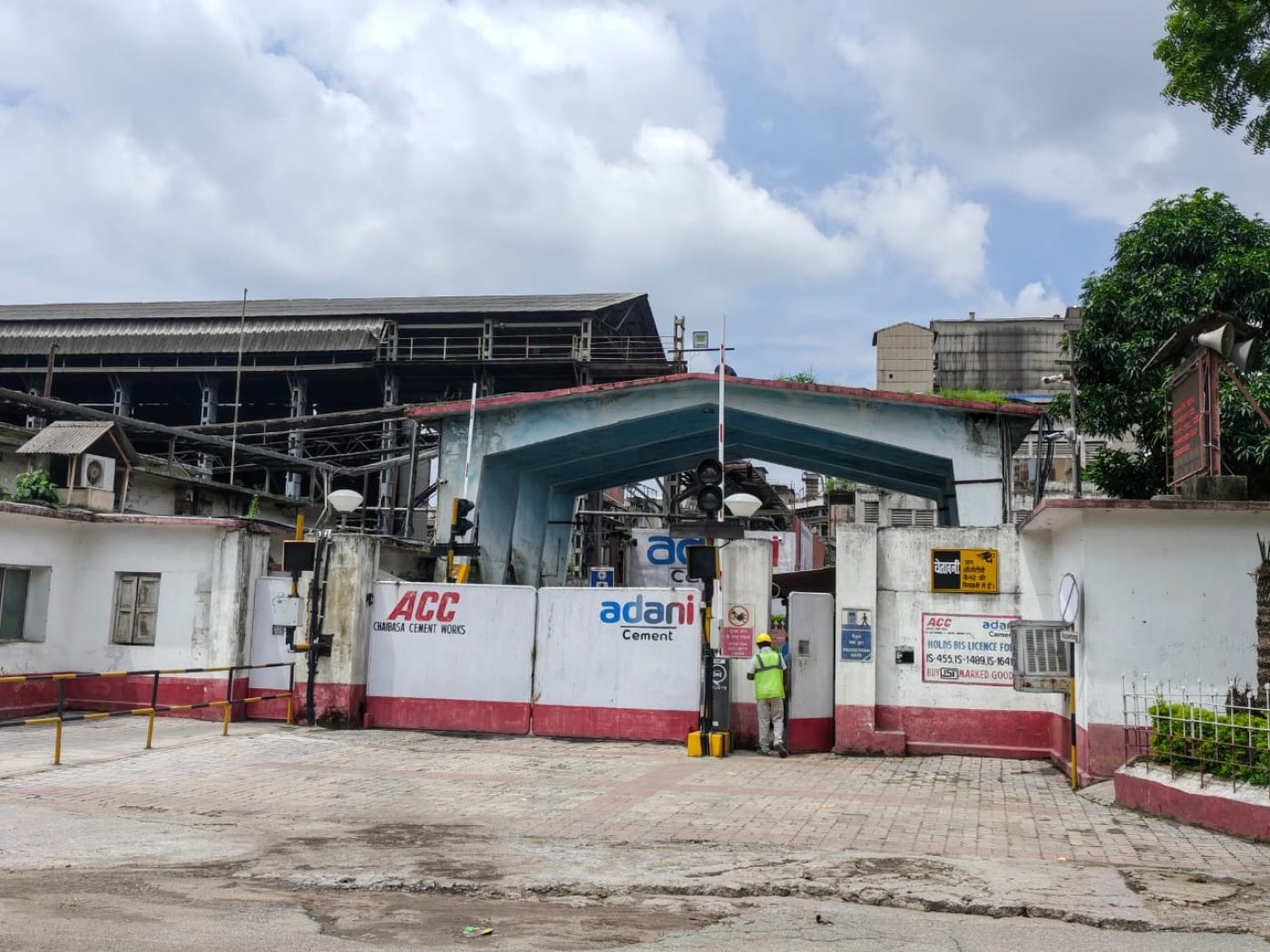
West Singhbhum (Jharkhand): For nearly eight decades, the factory siren in Jhinkpani marked not just the start and end of a shift but told the surrounding villages in this impoverished Jharkhand district when to wake, when to eat, when the children should be walking home from school before dark.
Bus timings were drawn up around the sirens, and tea stalls opened and shut by it. Generations of families worked inside the same gate, and everyone outside the gate—the vegetable sellers, the tailors, the rickshaw pullers, the schoolteachers—built their lives in its shadow.
On 16 August 2026, that whistle fell silent for good.
Four years after it was taken over by the Adani Group, run by India’s richest man, Gautam Adani, the Adani-ACC Chaibasa Cement Works, in the small industrial town of Jhinkpani, closed permanently.
The company's statement on the closure of one of the country's oldest continuously operating cement plants was reportedly that limestone reserves that fed the plant for generations have been depleted; the cost of trucking in clinker from ACC's other units in Bargarh and Sindri, located 336 km and 215 km away respectively, had become uneconomical; and the plant's ageing machinery could no longer compete with newer, more efficient facilities elsewhere.
Article 14 emailed Adani ACC's corporate communications department on 11 August and again on 19 August seeking comment on the impact of the closure, but received no response.
The Chaibasa unit’s closure is a reminder that, even as India seeks to become a global manufacturing power, many of its older industrial centres are grappling with the loss of the very factories that once anchored local economies and sustained generations of workers.
For a region that has few large employers, the announcement of this unit’s demise has landed less like corporate news and more like a death in the family.
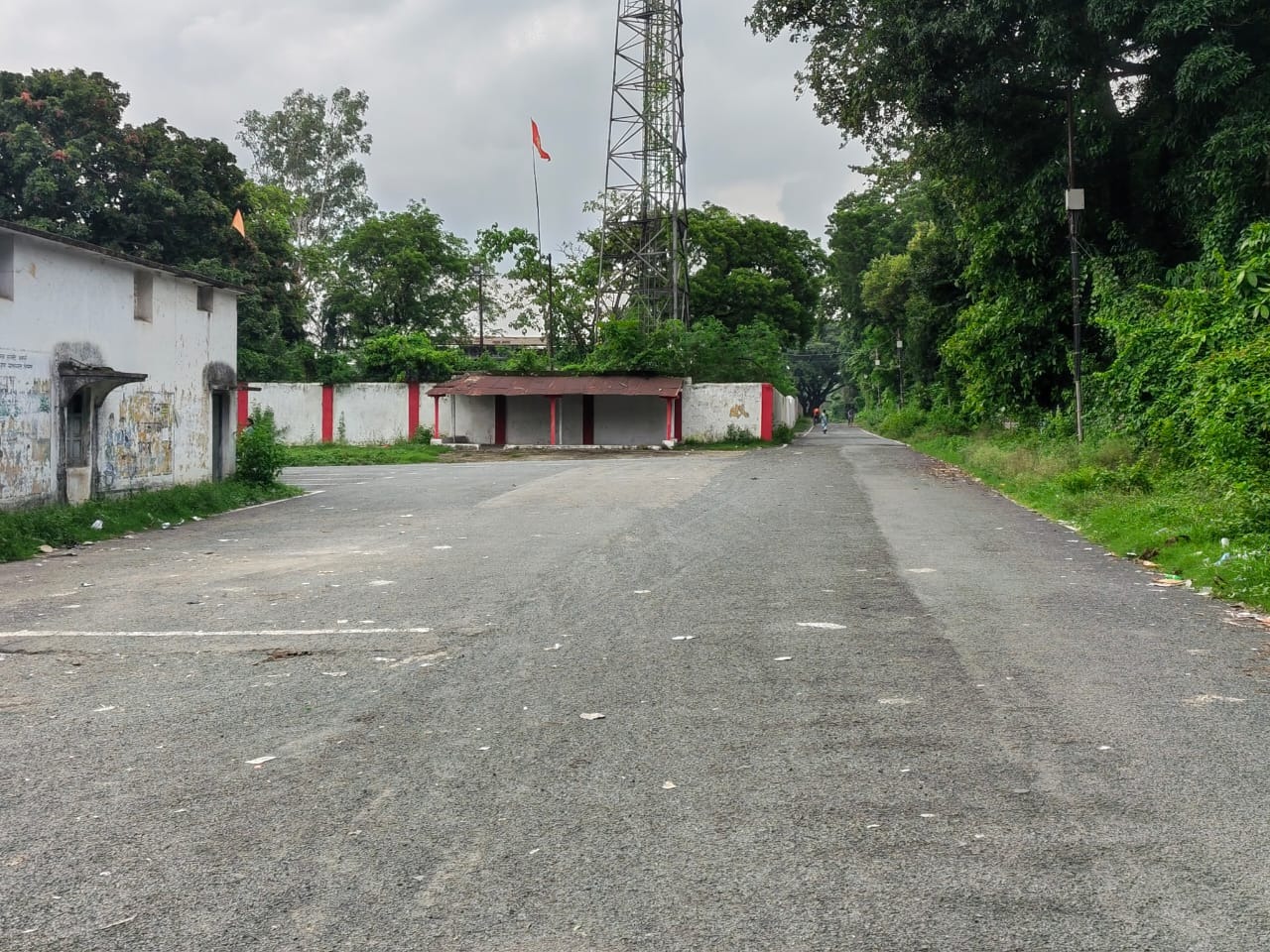
“The area has fallen silent since the factory's closure in May,” said Rukmani Devi, a vegetable vendor. Once bustling with workers, residents and visitors, the market near the factory now struggles to attract customers.
She recalled selling several sacks of potatoes in a single day, whereas her stock now remained unsold all week.
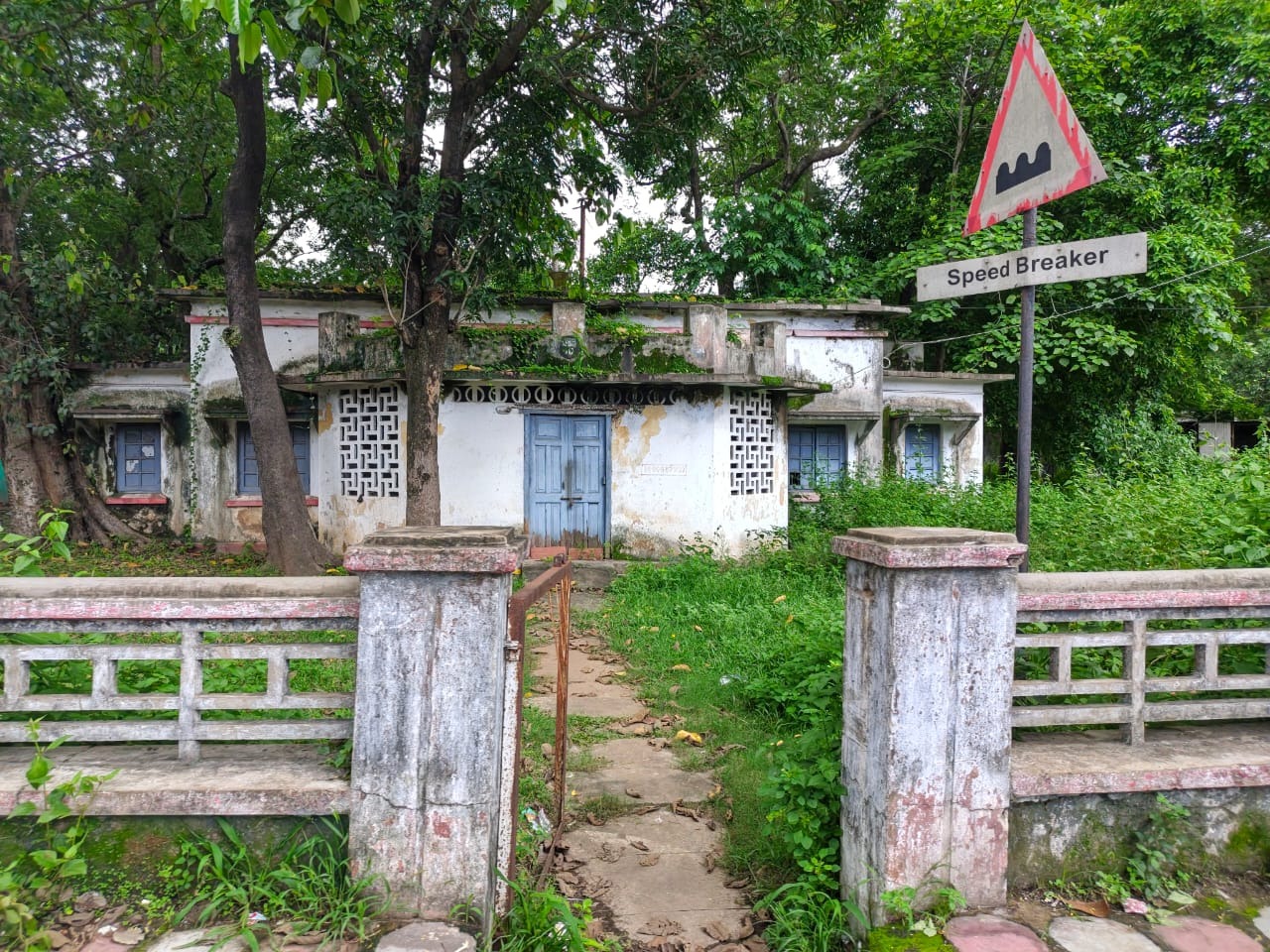
A housing complex that once housed approximately 900 residential units stood nearly vacant. With homes abandoned and many families seeking work elsewhere, the vegetable vendor said the closure had severely affected livelihoods and the local economy.
A Larger Malaise
The closure of the Chaibasa Cement Works comes at a moment when India can least afford to lose industrial jobs.
For more than a decade, economists have warned that India shows signs of “premature deindustrialisation”—a phenomenon in which manufacturing output and jobs shrink at lower income levels than in countries that adopted industrialisation early on.
Premature deindustrialisation is marked by a move from farming to the low-productivity service sector instead of from farming to manufacturing, with higher income levels, before moving to a services-dominated economy.
Manufacturing's share of India’s GDP has hovered around 15%-17% to 16%-17%, the union government said in 2026—well below the 25% target mentioned by the Niti Aayog, the government’s think tank
According to the latest labour data, released in March 2026, nearly half of India's workforce remains dependent on agriculture, even though agriculture contributes less than a fifth of national output. The result is a persistent shortage of stable, non-farm jobs that can absorb workers leaving rural distress.
Economists and labour researchers have long argued (here and here) that manufacturing jobs generate employment far beyond the factory gate. Because factories purchase transport, logistics, maintenance, catering, retail and other services, creating—or losing—a manufacturing job can ripple through the wider local economy, affecting multiple indirect and induced jobs.
When a large employer disappears from a small industrial town, the effects are felt not only by workers but also by shopkeepers, truck operators, mechanics, vendors and countless others whose livelihoods depend on the spending power generated by the factory.
Scarce Employment, Now Scarcer
Jhinkpani's story echoes a broader pattern across India.
From Mumbai's textile mills to chemical, leather, textile and light machinery units in Kanpur, from the closure of Hindustan Motors in West Bengal’s Uttarpara to the slow decline of Aligarh's lock-making industry, India's older industrial centres offer a recurring lesson: factories are often easier to close than to replace.
For towns built around a single employer or industrial cluster, the loss is measured not only in jobs but in the erosion of local markets, skills and institutions. In each case, the impact extended beyond factory workers, also affecting transporters, shopkeepers, contractors and entire communities whose livelihoods depended on a single industrial anchor. Jhinkpani now risks joining that growing list of company towns forced to confront life after the factory.
Dilip Karmodar, a local vegetable seller in the market, said the area, once lively with customers and businesses, now stayed mostly deserted. “Gareeb aadmi to bemaut mar jaayega (the poor will die without dying),” said Karmodar.
He said the town used to have a company-run health facility called the ACC Hospital, built to provide round-the-clock medical care, emergency first aid and healthcare services for plant workers as well as local township residents. It treated outpatients and also admitted patients as required. “… ab aspataal bhi band ho gaya aur dawa-daaru bhi nahin milta,” he said. “Now the hospital has closed down and medicines are no longer given there.”
Karmodar recalled once selling vegetables worth Rs 15,000–Rs 20,000 in a single day; now he considers sales of Rs 2,000–Rs 3,000 a good day.
Women Absorb Future Shock
If the men who worked inside the plant are losing their pay slips, the women of these households absorb the shock of what comes next.
One worker told Article 14 that several women in the villages around Jhinkpani who had stepped back from paid work when a husband or father secured steady factory income may now find themselves searching for ways to earn again, often in far less secure, lower-paid work—daily wage labour, domestic work, or small-scale farming on land that was never meant to be the family's primary income.
“Aamdani lagbhag bande jaisan ho gelak, dukaan chalave mein bhi ghaata ho rahal hai (our income has almost come to a standstill, and we are actually incurring losses in running the shop),” said Geeta Gope, who runs a small general store in Jhinkpani.
The store’s poor business directly affected her family, she said, and she has been their sole provider. She has two children and no alternative source of income. “People will have to leave and look for employment elsewhere,” she said. “The entire settlement and the surrounding areas all depend on this factory.”
Labour organisers said the pattern was familiar.
“The ACC cement factory betrayed the original landowners of Jhinkpani from the beginning,” said John Miran Munda, a long-time leader of the Jharkhand General Kamgar Union.
“Sattar saal beet gaya, lekin aaj bhi zameen malik log gareebi mein jeevan gujar-basar kar rahe hain (It has been 70 years, but even today the original landowners live in poverty),” he said. “In the name of leasing Adivasi lands, the people are rendered landless, and then they have neither livelihood nor adequate compensation.”
Ramesh Balmuchhu of the ACC Bachao Sangharsh Samiti, a group formed to protest the closure, said they have only one demand: that the factory not be closed down. “The closure of this factory will rob the people of their livelihood," he said.
Unionists worried that the ensuing financial struggles would cause parents to pull children out of tuition classes or schools, or to take young boys along when they migrate to look for work.
Where It All Began
The Associated Cement Companies (ACC) was born in 1936, when 11 smaller cement firms from the Tata, Khatau, Killick Nixon, and F E Dinshaw business houses merged into a single company under the leadership of Nowroji Saklatvala.
It was, in its time, one of the boldest consolidations in Indian industry, and it arrived at a moment when the country was still importing much of its cement. In the mid-1940s, ACC built what became India's first indigenously built cement plant.
Production at Chaibasa Cement Works drew on limestone deposits running through the hills of what was then southern Bihar, in a belt that would later become part of Jharkhand.
“Although wages are still being paid, workers are currently being given only 15 days of duty each month,” said Sadanand Hessa, one of the 1,600 contractual workers. No actual work was taking place inside the plant, he said, and employees were merely marking attendance.
With operations set to stop completely after 16 August, workers were uncertain about when, or if, the factory will reopen.
An Adani Takeover
For district residents, the plant's arrival was transformative. West Singhbhum in the 1940s was largely agrarian, forested, and tribal-majority, rich in mineral wealth but thin on organised industry.
The cement works unit changed that—it needed labourers to quarry limestone, masons and engineers to run the kilns, clerks to manage the paperwork, and an entire support economy of transporters, contractors and small traders.
Jhinkpani grew around the plant. Besides the ACC Hospital, the company also ran a school which remains in operation.
“Some villagers still visit the shop; the factory's closure has reduced the flow of customers,” said Kiran Sundi, the owner of a bicycle repair shop. “The uncertainty surrounding jobs has affected local livelihoods and business prospects.”
Over the decades, the factory survived several ownership changes. The Tata Group's residual stake moved to Gujarat Ambuja Cements around the turn of the millennium.
Then, in 2022, the Adani Group acquired Holcim's controlling stake in ACC in a deal worth roughly $10.5 billion, making Adani the country's second-largest cement producer and placing the historic Jhinkpani unit under new corporate ownership.
At its peak, the plant had a production capacity of close to 2,500 tonnes of cement per day and operated alongside a 15-megawatt captive power plant that kept its kilns running independently of the state grid.
Thousands Set To Lose Livelihood
Cement production at Chaibasa stopped on 1 April 2026 after ACC’s sister units cut off the clinker supply chain.
A month later, on 3 May, the captive power plant went dark too. What followed was a formal lockout notice posted on the factory gates, confirming that all remaining operations would cease by 16 August. It left roughly 50,000 people, spread across 20-25 villages with mostly tribal populations, whose lives are tied—directly or indirectly—to a single gate that is about to close for good, facing uncertainty.
Of the plant's own workforce, only 74 hold permanent positions with severance benefits. The remaining 1,500 or so are contractual labourers, hired year to year, with no safety net.
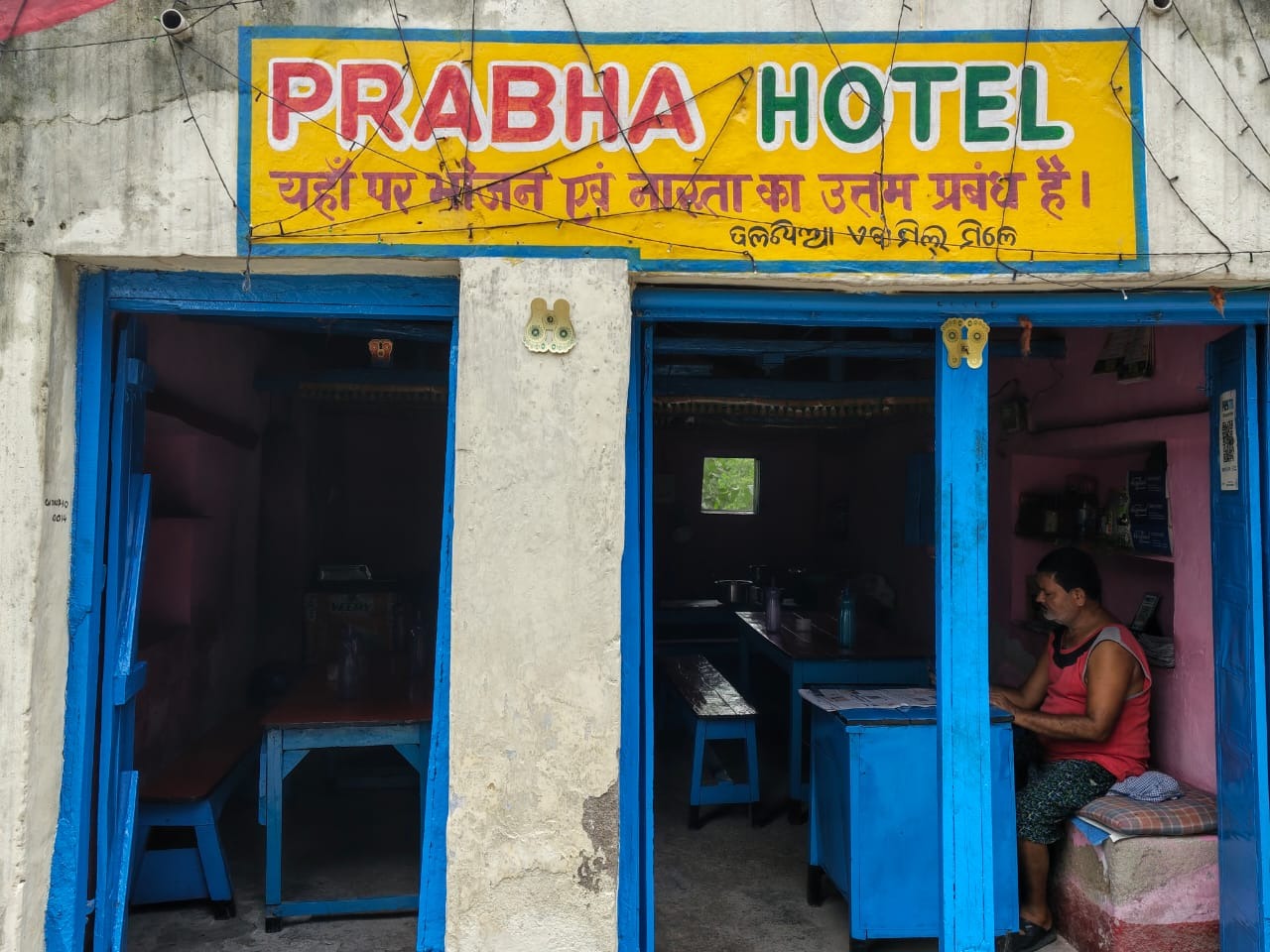
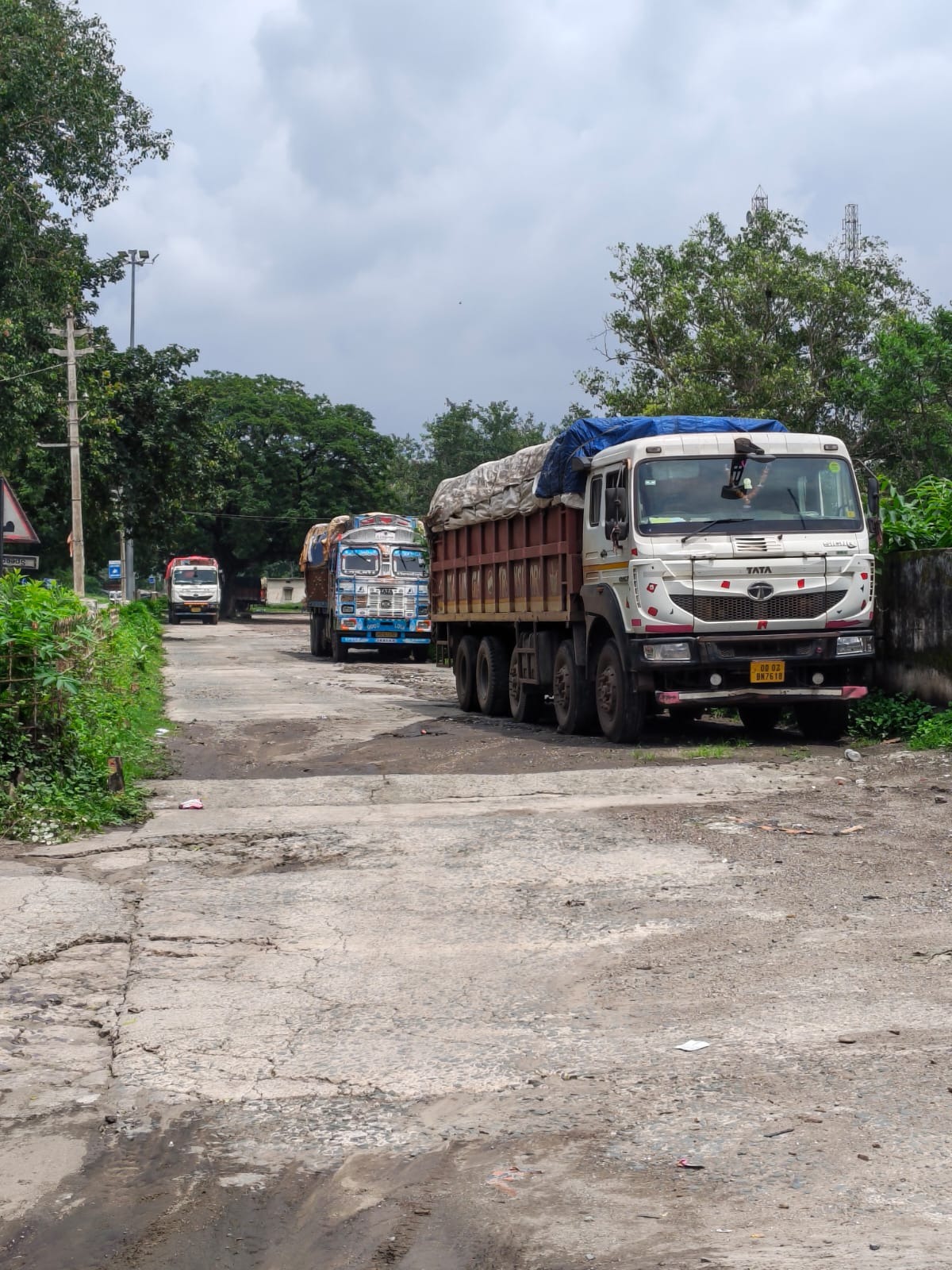
West Singhbhum's local economy—the transporters who ran trucks between the mines and the kilns, the small hardware and provision shops that lived off worker salaries, the tea stalls and eateries that opened before the morning shift, the auto and rickshaw drivers who ferried employees to and from the plant twice a day—was built on the assumption that the factory would keep running.
Now, in a district where organised industrial employment has always been scarce, a closure of this scale will remove the entire economic logic around which the town of Jhinkpani evolved.
Protest, Uncertainty & What Comes Next
On 1 July, roughly 1,200 workers, residents, trade union members and social activists marched 17 km to the office of the West Singhbhum deputy commissioner in Chaibasa, demanding that the state government step in before the plant's final shutdown date.
The march began at the Jhinkpani Rajka Mines and ended at the DC office in Chaibasa. Many local women joined the march. Protestors carried a memorandum addressed directly to Chief Minister Hemant Soren, demanding urgent intervention. They raised slogans that captured their anger and an appeal to the new owners to reconsider: “Adani Company, come to your senses.”
They discussed plans for a second march, this time to the state government headquarters in Ranchi, 150 km to the north.
The protestors have sought a reversal of the closure, or at minimum, a credible plan for how the company and the government intend to look after the workforce the shutdown leaves behind.
Beyond the question of what happens to the 1,500 contractual workers with no formal severance benefits and the tens of thousands whose indirect livelihoods are decimated by the factory closure, local residents and leaders also worried about migration out of West-Singhbhum, already a familiar pattern in parts of Jharkhand.
Meanwhile, the plant stood in a limbo, its kilns cold since May. Local unions continued to hold meetings near the factory's boundary wall, drafting fresh appeals even as the calendar edged closer to 16 August.
“Our parents are struggling to even feed us two times a day,” said 11-year-old Gunjan Hessa, who said she now accompanies her parents when they leave the village for work as day labourers. “Many shops are closed, and parents are not capable of sending us to school anymore.”
(Mayank Anand is a freelance journalist. This reportage was supported by The Reporters’ Collective Investigative Journalism Fellowship.)
Get exclusive access to new databases, expert analyses, weekly newsletters, book excerpts and new ideas on democracy, law and society in India. Subscribe to Article 14.